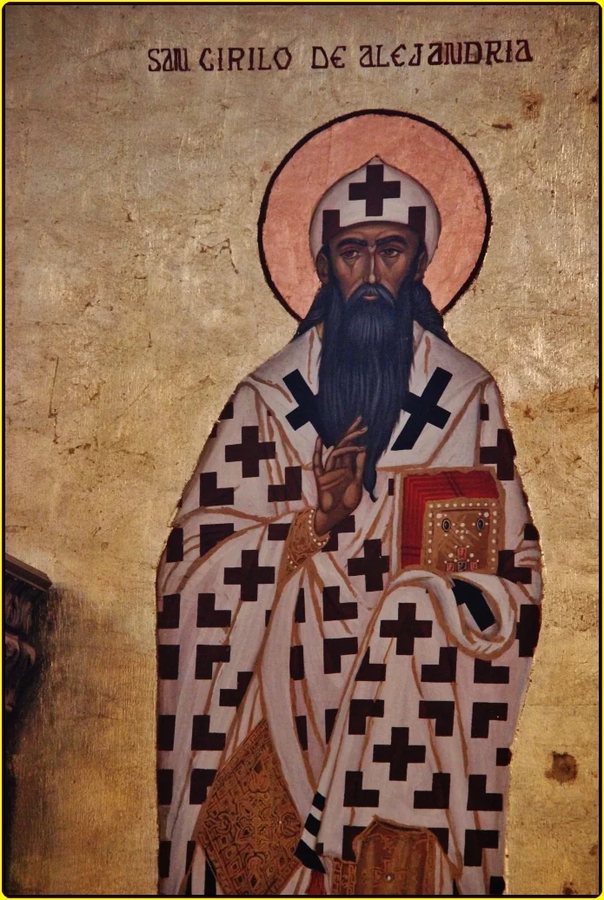
Cyril of Alexandria was a 5th-century theologian and the Patriarch of Alexandria, serving from 412 until his death in 444. Born around 376 in Egypt, he was educated under the guidance of his uncle, Theophilus. He became a central figure in the Christological debates of his era, most notably presiding over the Council of Ephesus in 431. During this council, he helped establish the doctrine of the hypostatic union and championed the use of the title Theotokos for the Virgin Mary. He is recognized as a saint in several Christian traditions.
Life and leadership


Following the death of his uncle, Cyril assumed the leadership of the Alexandrian church amidst significant social and political unrest. His tenure was marked by intense conflicts with secular authorities, including the prefect Orestes, and deep-seated tensions between the city's Christian, Jewish, and pagan populations. These disputes often resulted in civil disorder and violence, shaping his influential and sometimes controversial role in the Roman Empire.
Theological legacy
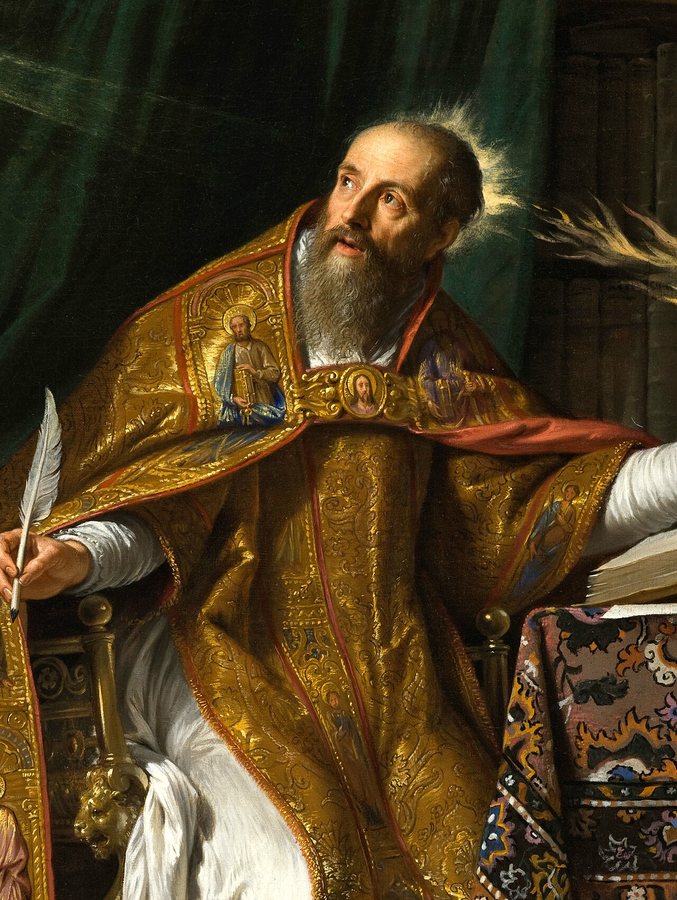
Cyril is primarily remembered for his defense of Christ's dual nature. By opposing Nestorius, he helped clarify how the divine and human aspects of Christ exist as one person. Because of these contributions, the Catholic Church named him a Doctor of the Church in 1883. He is also honored with titles such as Seal of the Fathers and Pillar of Faith across various traditions.
Veneration
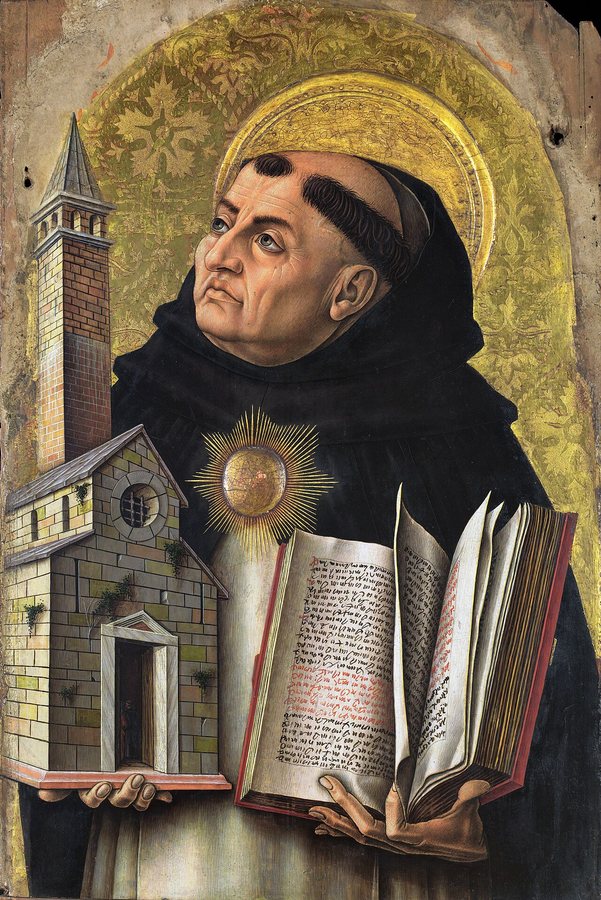
As a major hierarch, Cyril is venerated in the Catholic, Orthodox, Anglican, and Oriental traditions. His feast days are observed on June 9 and June 27, with an additional commemoration on October 10 in the Ethiopian tradition. His theological work remains a foundational element of Christian doctrine regarding the Incarnation.