factograf
EN
Sign in

most populous city in North Rhine-Westphalia, Germany

Cologne

Cologne

Cologne is the fourth-most populous city in Germany and the largest city in the state of North Rhine-Westphalia, with over 1.0 million inhabitants in the city proper and over 3.1 million in the Cologne Bonn urban region. It lies on the left bank of the Rhine and is part of the Rhine-Ruhr metropolitan region. The city is known for its medieval cathedral, its long history dating back to Roman times, its many museums and universities, and for Eau de Cologne, produced there since 1709.

Roman and Medieval Origins
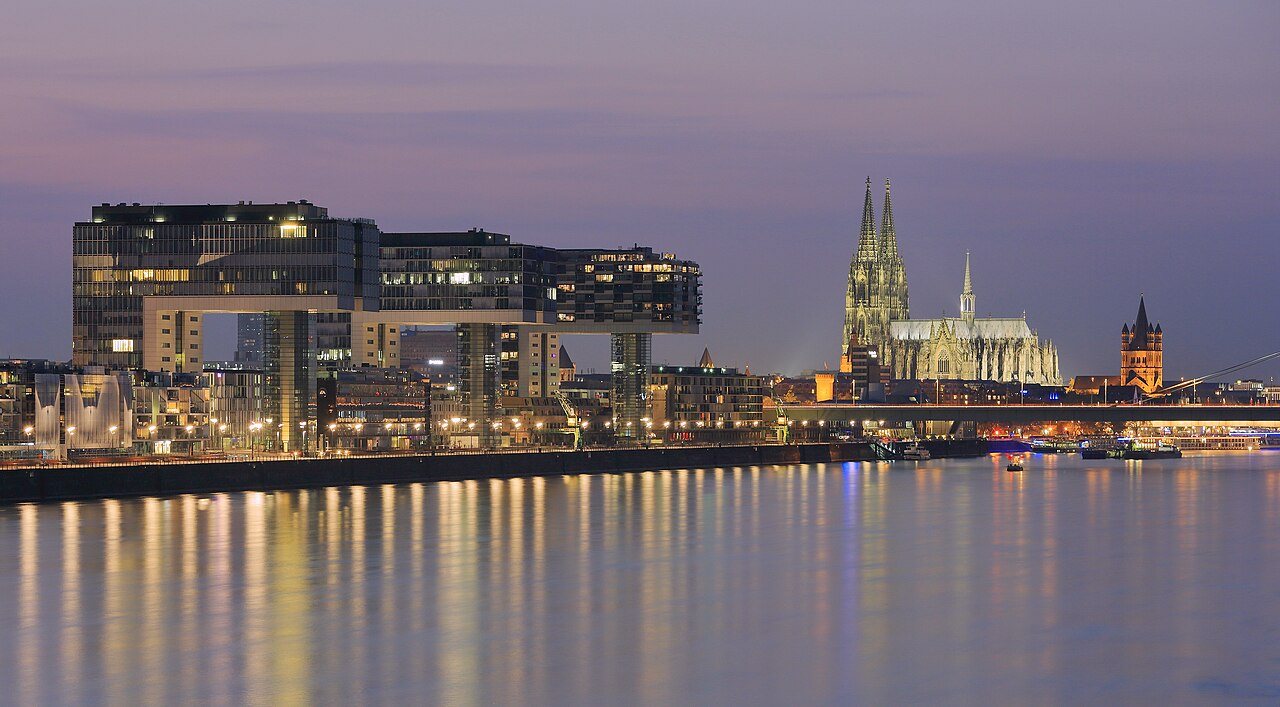
Crane houses in Cologne, April 2018
St. Kunibert church in Cologne, 2013
Aachener Strasse in Cologne
St. Gereon church in Cologne, east side
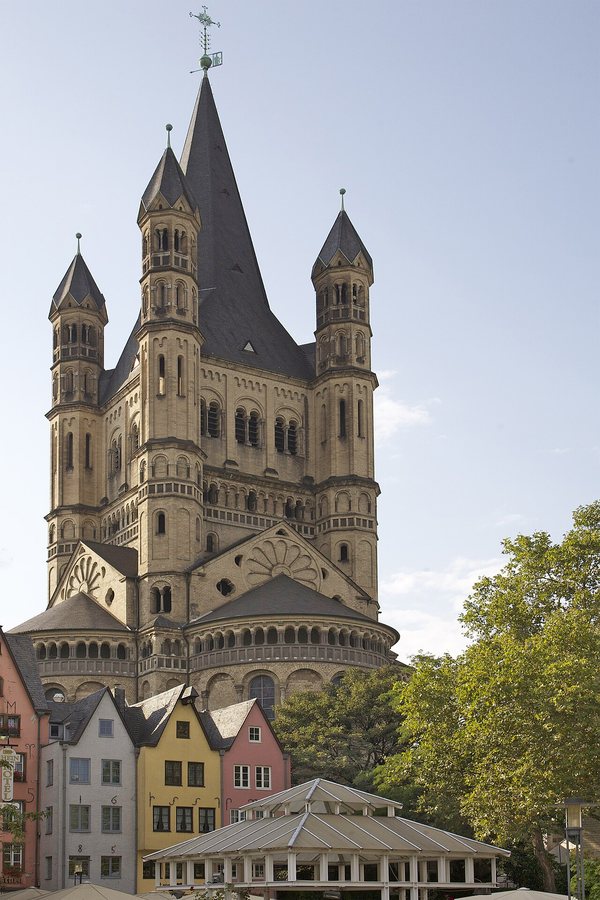
Groß St. Martin church in Cologne
Town hall tower in Cologne, east side
Hahnentor gate in Cologne
Flora in Cologne
Flora in Cologne
Fresco with Dionysian scenes from a Roman villa in Cologne, 3rd century AD, Romano-Germanic Museum
Remains of the medieval city wall on present-day Hansaring
Gothic seal of the city of Cologne (1396)
Panorama of Cologne in 1531
12 images

The site was first settled in 38 BC by the Ubii, a Germanic tribe. The Romans founded Colonia Claudia Ara Agrippinensium in AD 50, named after Emperor Claudius and Agrippina the Younger, who was born there. It became the capital of the Roman province of Germania Inferior and a major trade and production centre north of the Alps. During the Middle Ages the city flourished on important trade routes, became a free imperial city of the Holy Roman Empire and a major member of the Hanseatic League, and was one of the largest European cities of its time.

Wartime Destruction and Rebuilding

Panoramic image of the old town of Cologne at dusk
Kemmerlingshof, Cologne-Junkersdorf, Dürener Strasse 437
Bayenthalgürtel 9 in Cologne
Neptunbad, Cologne-Ehrenfeld
Hansahochhaus in Cologne, overall view
Cologne Cathedral
Cologne Cathedral
Basilica of St. Gereon in Cologne, Germany
St. Maria im Kapitol church in Cologne, three-apse complex
Groß St. Martin in Cologne, seen from the cathedral
St. Severin church in Cologne, seen from the Severinstorburg, 2009
Mariä Himmelfahrt church in Cologne
Trinitatis church in Cologne, 2007
12 images

Cologne was one of the most heavily bombed cities in Germany during the Second World War. The bombing reduced the population by 93%, mainly through evacuation, and destroyed around 80% of the historic city centre. After the war the city was rebuilt into a mixed cityscape, with most major historic landmarks, including the city gates and many Romanesque churches, restored.

Culture and Economy

Colonia-Haus in Cologne
Deutsche Welle high-rise in Cologne
Uni-Center in Cologne
TÜV Rheinland building in Cologne-Poll
Green space at Theodor-Heuss-Ring in Cologne with the Ringturm
Hot air balloon flight over Cologne, Justizzentrum
KölnTriangle building in Cologne
Herkules building in Cologne
Courtyard of the Kolumba museum in Cologne, 2007, designed by Peter Zumthor
Tauzieher, a limestone sculpture by Nikolaus Friedrich, 1911
Water feature in Cologne, summer 2017
The Museum Ludwig houses one of the most important collections of modern art.
12 images

Cologne is a major cultural centre of the Rhineland, with more than 30 museums and hundreds of galleries. It is home to the University of Cologne, one of Germany's largest universities, and the Technical University of Cologne. The city is a research hub for the aerospace industry and the headquarters of Lufthansa. It also has significant chemical and automobile industries and hosts a large trade fair.

In 156 languages

EnglishČeštinaDeutschEspañolFrançaisItaliano日本語PolskiPortuguêsРусскийУкраїнська中文AfrikaansShqipአማርኛOld EnglishAragoneseالعربيةEgyptian ArabicAsturianuKotavaAzbAzərbaycanBalineseBavarianbat-smgБеларускаяБългарскиবাংলাBrezhonegBosanskiCatalàCebuanoНохчийнکوردیی ناوەندیCorsicanCrimean TatarKashubianЧӑваш чӗлхиCymraegDanskZazaDolnoserbšćinaΕλληνικάEmlEsperantoEestiEuskaraExtremaduranفارسیfiu-vroSuomiFøroysktNorthern FrisianFryskGaeilgeGàidhligGalegoGothicGaelgHakka ChineseHausaעבריתहिन्दीHrvatskiHornjoserbšćinaMagyarՀայերենInterlinguaBahasa IndonesiaInterlingueIdoÍslenskaJawaTaqbaylitქართულიҚазақшаಕನ್ನಡ한국어KölschKurdî (kurmancî)КыргызчаLatinLëtzebuergeschLingua Franca NovaLigureLimburgishLldLombardLietuviųLatviešuMokshaMalagasyMariМакедонскиമലയാളംМонголWestern MariमराठीMelayuမြန်မာNeddersass’sch (Nedderlannen)Neddersass’schNederlandsNorsk nynorskNorskOccitanИронPampangaਪੰਜਾਬੀPicardPiemontèisWestern PanjabiپښتوRunasimiRomânăSicilianuScotsSarduسنڌيⵜⴰⵛⵍⵃⵉⵜSrpski (latinica)SlovenčinaSlovenščinaShqipСрпскиSaterland FrisianSvenskaKiswahiliŚlōnskiதமிழ்ТоҷикӣไทยFilipinoToki ponaTürkçeТатарTumbukaAkanUdmurtئۇيغۇرچەاردوO‘zbekVenetoVepsTiếng ViệtWest FlemishVolapükWarayWalloonWu ChineseMingrelianייִדישZeelandicⵜⴰⵎⴰⵣⵉⵖⵜzh-yue

Редакція Factograf · Published October 14, 2026 · Partly based on Wikipedia, CC BY-SA 4.0 · Source article