
The Canary Islands (also called the Canaries) are an archipelago in the Atlantic Ocean and the southernmost autonomous community of Spain, located about 100 kilometres off the northwest coast of Africa. With a population of roughly 2.27 million, it is the most populous overseas special territory of the European Union. The seven main islands are Tenerife, Fuerteventura, Gran Canaria, Lanzarote, La Palma, La Gomera and El Hierro. Owing to their strategic location, the islands have long been regarded as a link between Africa, Europe and the Americas.
Tourism and climate






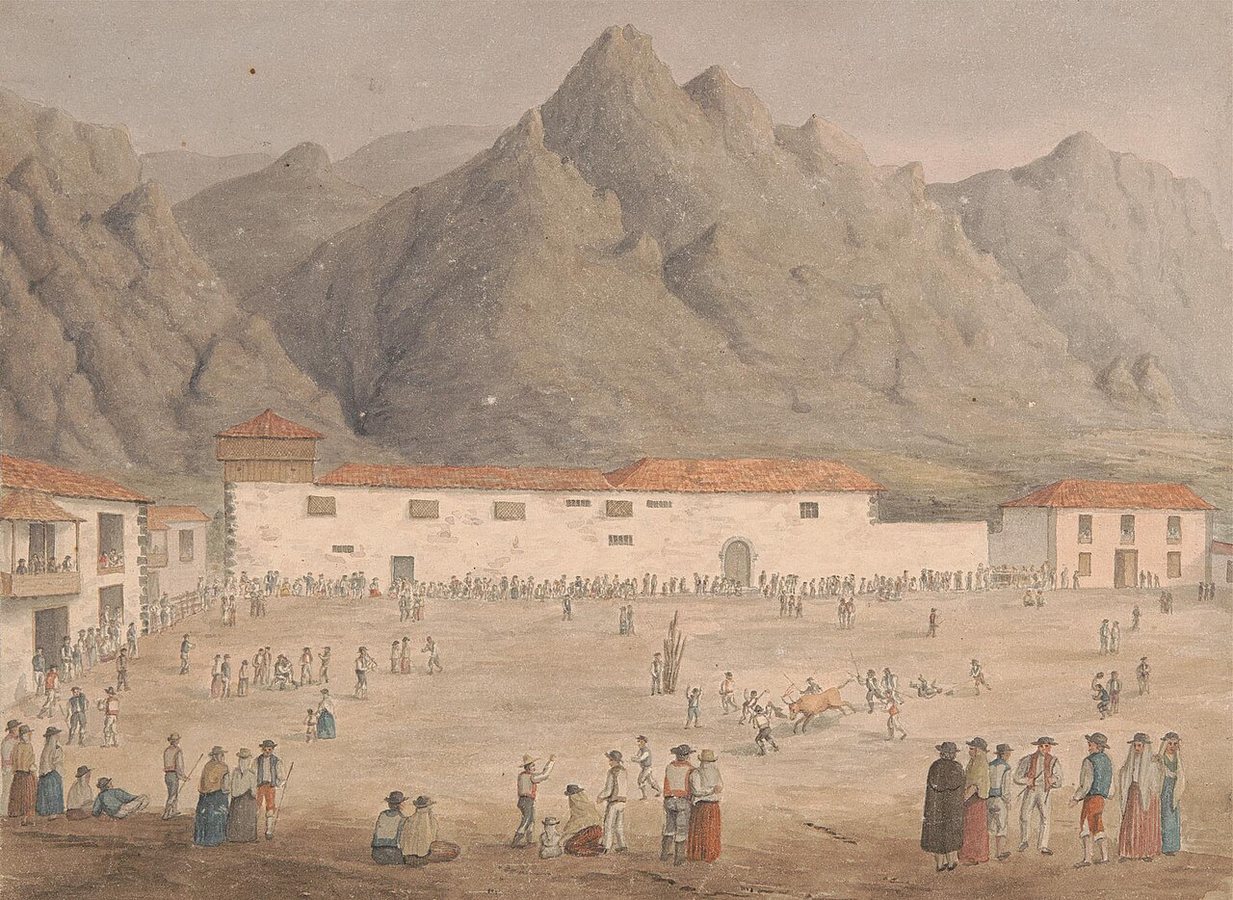
The islands, especially Tenerife, Gran Canaria, Fuerteventura and Lanzarote, are a major tourist destination, receiving over 14.1 million visitors in 2023. Their beaches, subtropical climate and natural attractions draw visitors, including Maspalomas in Gran Canaria and Mount Teide, a World Heritage Site on Tenerife. Mount Teide is the highest peak in Spain. The high mountains lie above the temperature inversion layer, which makes them well suited to astronomy, and the archipelago hosts two professional observatories, on Tenerife and La Palma.
Ancient inhabitants









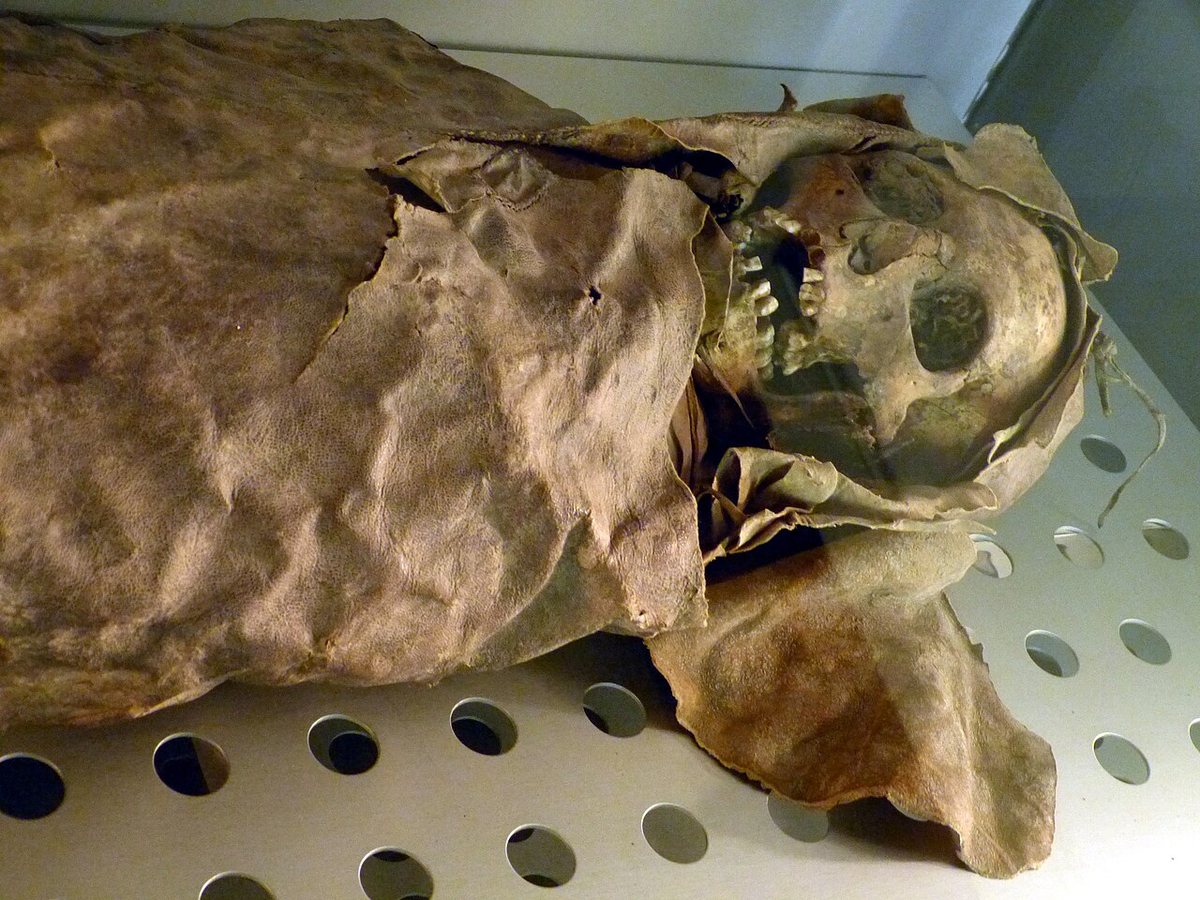
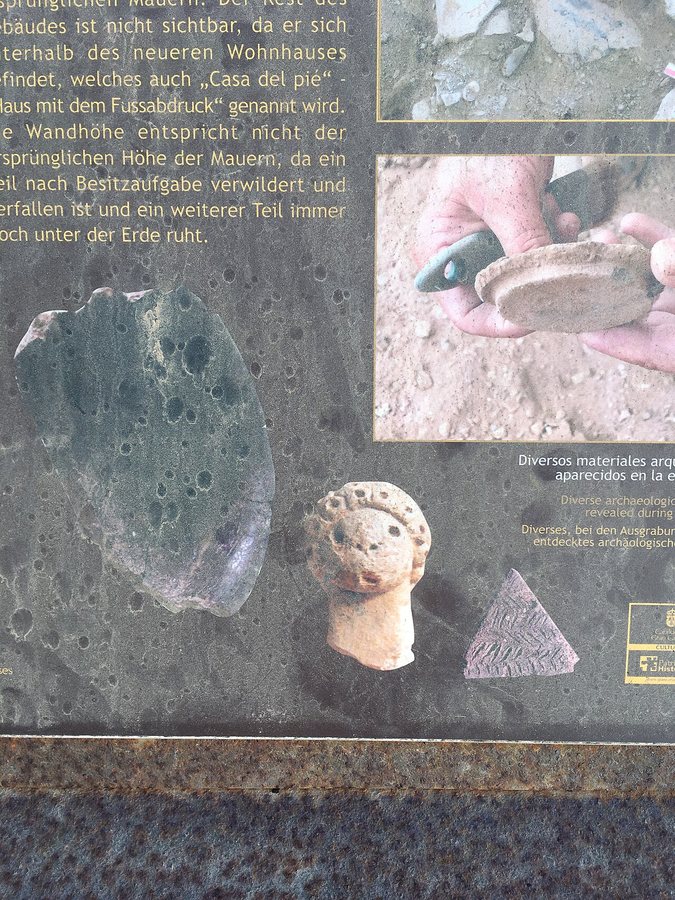
Before humans arrived, the islands were home to prehistoric animals such as a giant lizard and giant tortoises. Linguistic, genetic and archaeological studies indicate that indigenous peoples lived on the islands at least 2,000 years ago and shared a common origin with the Amazighs of nearby North Africa. These groups became known collectively as the Guanches. They lived largely in natural caves, and archaeologists have uncovered ceramics, tools, cave paintings and thousands of Libyco-Berber inscriptions.