
Bonaventure was an influential Italian Franciscan theologian, philosopher, and bishop who lived from 1221 to 1274. Born in Bagnoregio, he rose through the Franciscan Order to become its Minister General and later served as the Cardinal-Bishop of Albano. A prominent academic, he studied and taught at the University of Paris, where he was a contemporary of Thomas Aquinas. He is celebrated for his efforts to harmonize rational inquiry with religious faith, a pursuit that defined his extensive theological contributions during the Middle Ages.
Life and career


After joining the Franciscans in 1243, Bonaventure became a respected lecturer at the University of Paris. He eventually led the Franciscan Order, guiding it toward a moderate intellectual path. His leadership helped establish the order as a major force within the Church. In 1274, he participated in the Second Council of Lyon, where he worked toward uniting the Latin and Greek churches before his sudden death in Lyon.
Theology and writings

As a major scholastic thinker, he sought to integrate faith and reason, viewing Christ as the ultimate source of knowledge. His prolific output includes the Commentary on the Sentences and several spiritual guides such as The Mind's Road to God. While some medieval texts were once incorrectly attributed to him, his authentic works remain foundational to Franciscan thought and Western philosophy.
Veneration
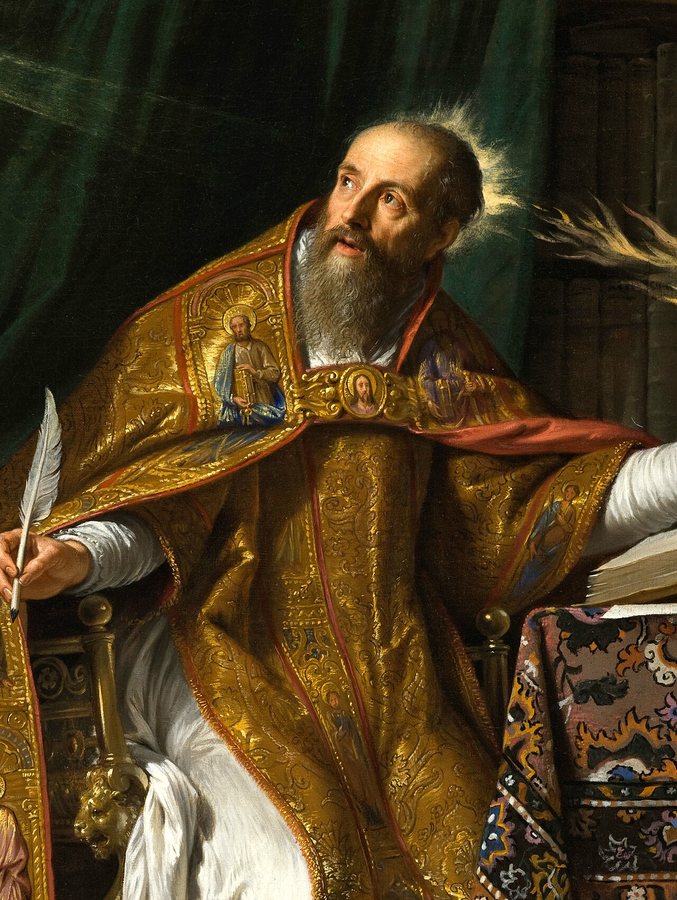
Canonized in 1482, he was later named a Doctor of the Church and is known as the "Seraphic Doctor." He is honored in the Catholic and Anglican traditions, with his feast day observed on July 15. Although his remains were lost during historical conflicts, his legacy persists through his writings and the veneration of his surviving relics.