factograf
EN
Sign in

federated state, capital and largest city of Germany

Berlin

Berlin

Berlin is the capital and largest city of Germany, with 3.7 million inhabitants within its city limits, the highest population of any city in the European Union. It is also one of Germany's federal states and the third-smallest by area, surrounded by the state of Brandenburg. Its urban area has 4.5 million people, and the wider Berlin-Brandenburg capital region has about 6.2 million. Berlin is a global city of culture, politics, media and science.

Historical development
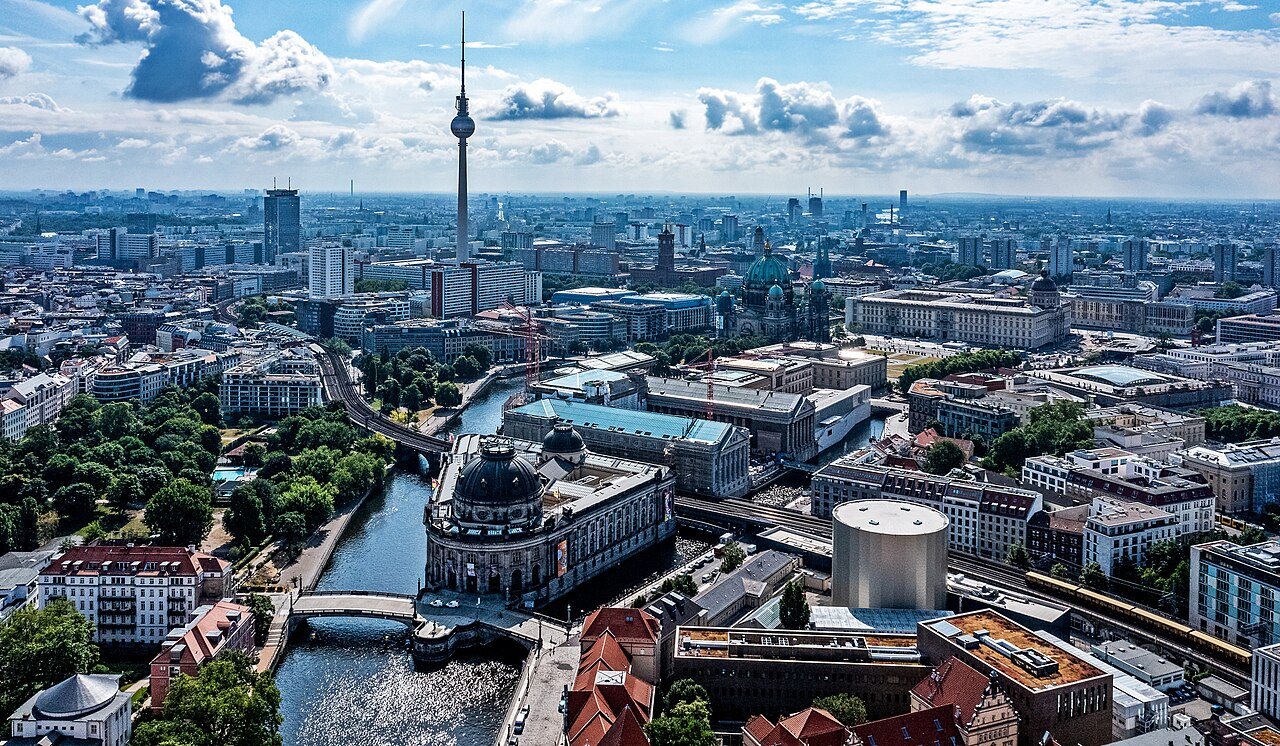
Museum Island in Berlin, July 2021
Equestrian statue and palace tower at Charlottenburg Palace, Berlin
Siegessäule, the Victory Column in Berlin
Berlin-Mitte with the Berlin Palace, photographed in September 2024
Brandenburg Gate in Berlin, May 2015
Berlin Cathedral before sunset
Reichstag building in Berlin, black and white view
Konzerthaus Berlin on Gendarmenmarkt, April 2018
The oldest seal of Berlin, dating back to 1253
Reichstag building at the end of the 19th century
German Revolution in Berlin in 1918
US Army tanks face off against Soviet tanks in Berlin, 1961
12 images

Berlin grew along the Spree river from the 13th century, when it was first documented at the crossing of two important trade routes. It served as capital of the Margraviate of Brandenburg, the Kingdom of Prussia, the German Empire, the Weimar Republic and Nazi Germany. During the Gründerzeit, industrialization brought an economic boom and rapid population growth, and in the 1920s Berlin was the third-largest city in the world by population.

Division and reunification

Fernsehturm television tower in Berlin, April 2016
Brandenburg Gate at night, seen on Panoramio
Bikini House in Berlin
Charlottenburg Palace and its palace park
Unter den Linden seen from above
Reichstag building in Berlin-Mitte, April 2017
Nikolaikirche in Berlin, seen on Panoramio
Kurfürstendamm sidewalk in Berlin
Berlin Cathedral, December 2014
Nikolaikirche in Berlin, September 2023
New Synagogue in Berlin
Şehitlik Mosque in Berlin, 2012
12 images

After World War II and the occupation of Germany, the city was split into West Berlin and East Berlin, separated by the Berlin Wall. East Berlin became the capital of East Germany, while Bonn served as the West German capital. Following German reunification in 1990, Berlin again became the capital of all of Germany. Its economy today rests on high technology, services, creative industries, research and media.

Culture and landmarks

Berlin Hauptbahnhof, the central station
Berlin U-Bahn metro at Heidelberger Platz station
Mitte heating power plant in Berlin
Charité, Europe's largest university hospital
Humboldt University of Berlin, affiliated with 57 Nobel Prize winners
Free University of Berlin
WISTA Science and Technology Park in Adlershof
Alte Nationalgalerie on Museum Island, a UNESCO World Heritage Site
Bust of Nefertiti by Thutmose in the Egyptian Museum of Berlin
Exterior of Fotografiska Berlin on Oranienburger Strasse
Reconstructed Ishtar Gate of Babylon at the Pergamon Museum
The Jewish Museum presents two millennia of German-Jewish history.
12 images

Berlin is home to several universities, including Humboldt University and the Free University of Berlin, and it has many museums, galleries and libraries. Landmarks include the Brandenburg Gate, the Reichstag building and Museum Island, a UNESCO World Heritage Site. Forests, parks, rivers, canals and lakes cover about a third of the city's area.

In 266 languages

EnglishČeštinaDeutschEspañolFrançaisItaliano日本語PolskiPortuguêsРусскийУкраїнська中文AbkhazianAcehneseAdygheAfrikaansShqipአማርኛOld EnglishAngikaAragoneseAramaicالعربيةMoroccan ArabicEgyptian ArabicAsturianuঅসমীয়াKotavaAvaricAwadhiAymaraAzbAzərbaycanBalineseBavarianbat-smgБашҡортBikolБеларускаяBetawiБългарскиBhojpuriBislamaBamanakanবাংলাབོད་སྐད་BrezhonegBosanskiBtmБуряадCatalàcbk-zamCdoCebuanoНохчийнChamorroکوردیی ناوەندیCorsicanCrimean TatarKashubianChurch SlavicЧӑваш чӗлхиCymraegDanskZazaDolnoserbšćinaDtyEʋegbeΕλληνικάEmlEsperantoEestiEuskaraExtremaduranفارسیPulaarfiu-vroSuomiFijianFøroysktArpitanNorthern FrisianFurlanFryskGagauzGan ChineseGaeilgeGàidhligGalegoGuaraniGothicગુજરાતીGaelgHakka ChineseHausaʻŌlelo HawaiʻiעבריתFiji Hindiहिन्दीHrvatskiHornjoserbšćinaHaitian CreoleMagyarՀայերենHywInterlinguaIbanBahasa IndonesiaInterlingueIlokoIngushIdoÍslenskaInuktitutJamaican Creole EnglishLojbanJawaKara-KalpakTaqbaylitKaiქართულიKabardianKbpKgeKongoҚазақшаខ្មែរKanuriಕನ್ನಡKomi-Permyak한국어KölschکٲشُرKurdî (kurmancî)KomiKernewekКыргызчаLadinoLatinLëtzebuergeschLezghianLingua Franca NovaLugandaLigureLimburgishLldLombardLingálaລາວLatgalianLietuviųLatviešuMagahiमैथिलीMalagasyMariMinangkabauMāoriМакедонскиമലയാളംМонголWestern MariमराठीMelayuMaltiMirandeseErzyaမြန်မာمازرونیNeapolitanNeddersass’sch (Nedderlannen)Neddersass’schनेपालीNewariNederlandsNorsk nynorskNovialNorskNrmNavajoNyanjaOccitanOloOromooИронPangasinanPampangaPapiamentoਪੰਜਾਬੀPicardPennsylvania GermanPalatine GermanPiemontèisWestern PanjabiPonticپښتوRunasimiRumantschRomanyIkirundiRoa (Tara)RomânăRusynIkinyarwandaСаха тылаᱥᱟᱱᱛᱟᱲᱤसंस्कृत भाषाSicilianuScotsSarduسنڌيDavvisámegiellaⵜⴰⵛⵍⵃⵉⵜSrpski (latinica)සිංහලSlovenčinaSlovenščinaAnarâškielâSamoanSoomaaliShqipSranan TongoСрпскиSwatiSaterland FrisianSesothoBasa SundaSvenskaKiswahiliŚlōnskiதமிழ்TetumతెలుగుТоҷикӣไทยትግርኛTürkmen diliFilipinoTalyshToki ponaLea fakatongaTok PisinTürkçeТатарTumbukaAkanTahitianUdmurtئۇيغۇرچەاردوO‘zbekVenetoVepsTiếng ViệtWest FlemishVolapükWarayWolofWu ChineseIsiXhosaMingrelianייִדישÈdè YorùbáZeelandiczh-yueIsiZulu

Редакція Factograf · Published October 14, 2026 · Partly based on Wikipedia, CC BY-SA 4.0 · Source article