
Belgium, officially the Kingdom of Belgium, is a country in Northwestern Europe, located in a coastal lowland region known as the Low Countries. It borders the Netherlands, Germany, Luxembourg, France and the North Sea. With more than 11.8 million people, it is densely populated, and its capital Brussels also serves as the de facto capital of the European Union. Belgium is a parliamentary constitutional monarchy with a complex federal system organised along regional and linguistic lines.
Language and governance


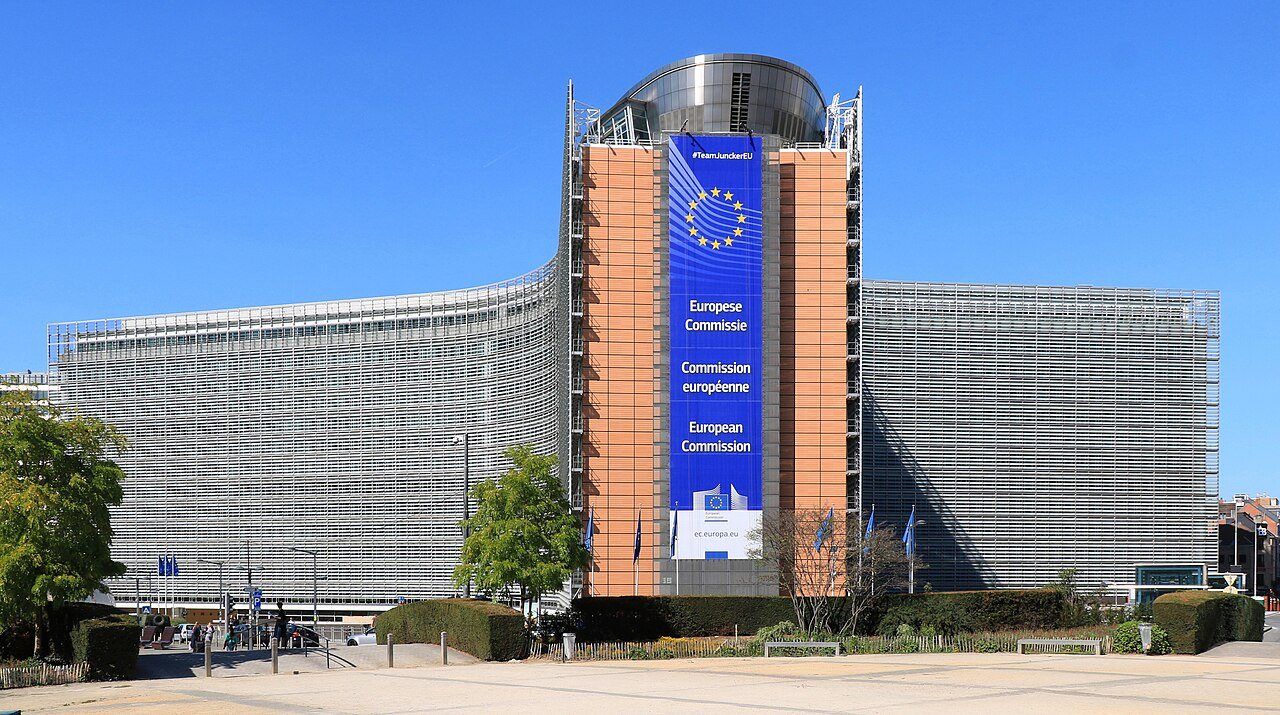
Belgium is divided into three highly autonomous regions: Flanders in the north, Wallonia in the south, and the Brussels-Capital Region in the middle. Its Dutch-speaking and French-speaking communities make up most of the population, while a small German-speaking community lives in the East Cantons. This linguistic diversity has shaped a system of six governments, and political tensions between communities have led to several far-reaching state reforms, including the shift from a unitary to a federal structure between 1970 and 1993.
Early history


In antiquity, the area was inhabited by the Belgae, whose territory was later annexed into the Roman Empire in the mid first century BC. During the Middle Ages, its central location kept it prosperous and tied to larger neighbours, and it passed under a succession of powers, including the Carolingian Empire and the Holy Roman Empire. Centuries of control by various European powers earned it the nickname the Battlefield of Europe. An independent Belgium was established in 1830 after the Belgian Revolution.