factograf
EN
Sign in

capital city of China

Beijing

Beijing

Beijing, previously romanized as Peking, is the capital city of China. With more than 21.8 million residents, it is the world's most populous national capital and China's second-largest city by urban area, after Shanghai. Located in Northern China, it is governed as a provincial-level municipality with 16 districts and forms part of the Jing-Jin-Ji cluster with Hebei Province and Tianjin.

Culture and economy
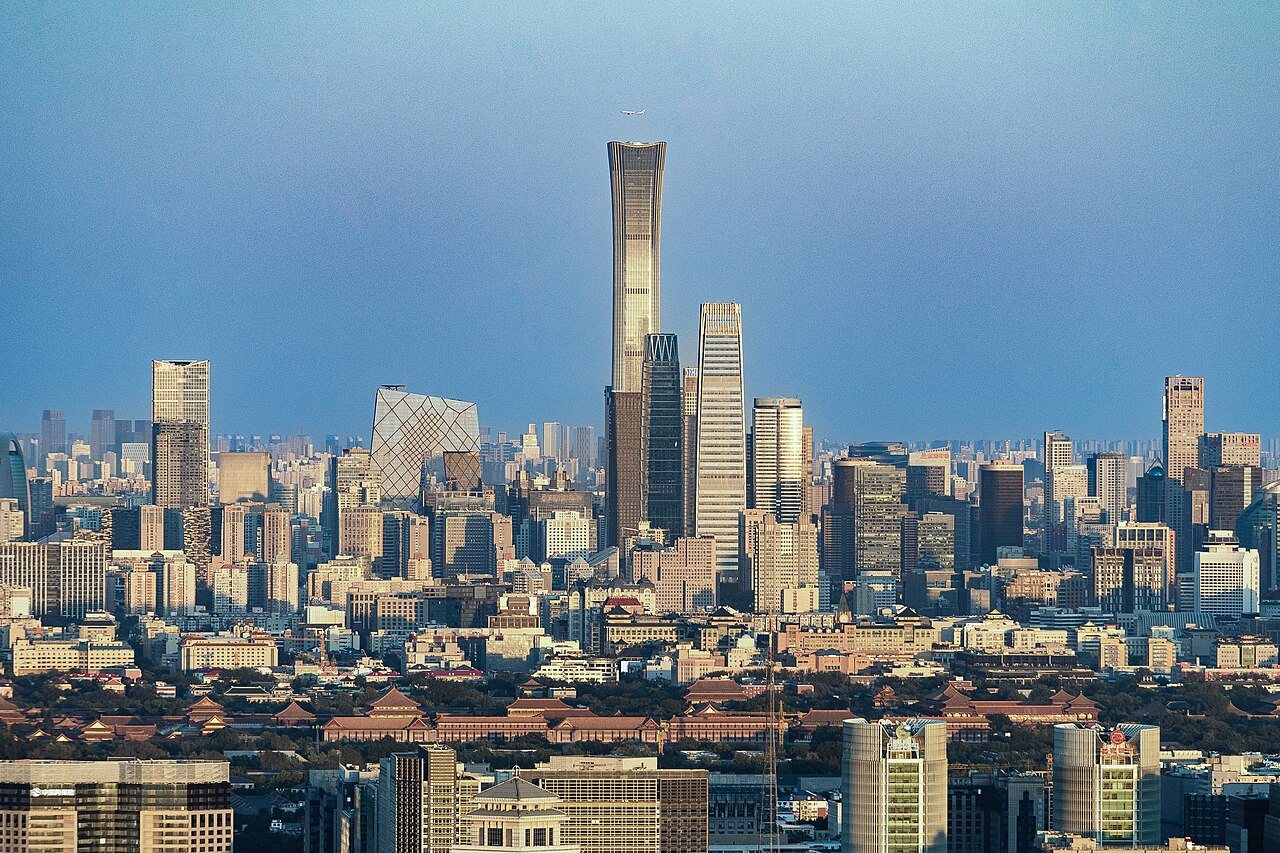
Skyline of Beijing CBD with aircraft B-5906 approaching, 2021
Jingshan Park in Beijing
Hall of Prayer for Good Harvests at the Temple of Heaven
Great Wall of Peking, photographed in 2007
Longevity Hill at the Summer Palace
Night view of Tiananmen
The Mahavira Hall of Tanzhe Temple, founded in 307 CE during the Western Jin dynasty
The Tianning Pagoda, built around 1120 during the Liao dynasty, one of the oldest surviving structures in Beijing
Ming dynasty silk hanging scroll depicting the Forbidden City with its architect Kuai Xiang before Chengtian Gate (present-day Tiananmen); British Museum, London
Jingshan hill
Jingshan hill
View of the central street in the Chinese quarter of Peking
Ruins of Xieqiqu, photographed by Ernst Ohlmer in the 1870s
12 images

Beijing is a global city and a leading center for culture, politics, finance, education, research, tourism, media, sports, science and technology, and the arts. It hosts the headquarters of most of China's largest state-owned companies and more Fortune Global 500 companies than any other city. The city has hosted the 2008 Summer Olympics and the 2022 Winter Olympics, becoming the first city to host both. Its public universities, including Tsinghua University and Peking University, rank among the best in the region and the world.

History and heritage

Peking opera
Peking opera
Sliced Peking duck served with traditional condiments
Qianmen Avenue, a traditional commercial street outside Qianmen Gate along the southern Central Axis
Temple of Heaven, one of the eight UNESCO World Heritage Sites in Beijing
Universal Studios Beijing
Happy Valley Beijing
Beijing Railway Museum
Fire God Temple near Di'anmen
Yonghe Temple, a center of Tibetan Buddhism
White Pagoda of Miaoying Temple
Tomb pagodas at Tanzhe Temple
Niujie Mosque
Niujie Mosque
12 images

Beijing has recorded history spanning over three millennia and was the political center of China for most of the past eight centuries. Its palaces, temples, parks, walls and gates draw many visitors, and eight sites in the city are UNESCO World Heritage Sites, including the Forbidden City, the Temple of Heaven and parts of the Great Wall. Traditional siheyuan courtyard houses and narrow hutong alleys remain common in parts of the city alongside modern buildings.

In 255 languages

EnglishČeštinaDeutschEspañolFrançaisItaliano日本語PolskiPortuguêsРусскийУкраїнська中文AbkhazianAcehneseAdygheAfrikaansShqipአማርኛOld EnglishAngikaAragoneseالعربيةMoroccan ArabicEgyptian ArabicAsturianuঅসমীয়াAwadhiAymaraAzbAzərbaycanBalineseBavarianbat-smgБашҡортBikolБеларускаяBetawiБългарскиBhojpuriBislamaBanjarBlkবাংলাབོད་སྐད་BrezhonegBosanskiBtmБуряадCatalàcbk-zamCdoCebuanoНохчийнChamorroCheyenneکوردیی ناوەندیCrimean TatarChurch SlavicЧӑваш чӗлхиCymraegDanskZazaDolnoserbšćinaDtyDivehiEʋegbeΕλληνικάEmlEsperantoEestiEuskaraExtremaduranفارسیfiu-vroSuomiFijianFøroysktArpitanNorthern FrisianFurlanFryskGan ChineseGaeilgeGcrGàidhligGilakiGalegoGuaraniગુજરાતીGaelgHakka ChineseHausaʻŌlelo HawaiʻiעבריתFiji Hindiहिन्दीHrvatskiHornjoserbšćinaHaitian CreoleMagyarՀայերենHywInterlinguaIbanBahasa IndonesiaInterlingueInupiaqIlokoIngushIdoÍslenskaInuktitutJamaican Creole EnglishLojbanJawaKara-KalpakTaqbaylitქართულიKbpKgeKongoGikuyuҚазақшаខ្មែរKanuriಕನ್ನಡ한국어Karachay-BalkarکٲشُرKurdî (kurmancî)KomiKernewekКыргызчаLadinoLatinLëtzebuergeschLezghianLingua Franca NovaLigureLimburgishLldLombardLingálaລາວLietuviųLatviešuMadureseमैथिलीMokshaMalagasyMariMinangkabauMāoriМакедонскиമലയാളംМонголWestern MariमराठीMelayuMaltiMirandeseErzyaမြန်မာمازرونیNeddersass’sch (Nedderlannen)Neddersass’schनेपालीNewariNiasNederlandsNorsk nynorskNovialNorskNrmSesotho sa LeboaNyanjaOccitanOloOromooଓଡ଼ିଆИронPampangaPapiamentoਪੰਜਾਬੀPicardPennsylvania GermanPiemontèisWestern PanjabiپښتوRunasimiRoa (Tara)RomânăRusynСаха тылаᱥᱟᱱᱛᱟᱲᱤसंस्कृत भाषाSicilianuScotsSarduسنڌيDavvisámegiellaSrpski (latinica)සිංහලSlovenčinaSlovenščinaAnarâškielâChiShonaSoomaaliShqipSranan TongoСрпскиSaterland FrisianBasa SundaSvenskaKiswahiliSylŚlōnskiSzyதமிழ்తెలుగుТоҷикӣไทยTürkmen diliFilipinoTalyshSetswanaToki ponaLea fakatongaTok PisinTürkçeTsongaТатарTumbukaAkanUdmurtئۇيغۇرچەاردوO‘zbekVenetoVepsTiếng ViệtWest FlemishVolapükWarayWalloonWolofWu ChineseMingrelianייִדישÈdè YorùbáVahcuenghZeelandicⵜⴰⵎⴰⵣⵉⵖⵜzh-yueIsiZulu

Редакція Factograf · Published October 14, 2026 · Partly based on Wikipedia, CC BY-SA 4.0 · Source article