
Basil of Caesarea was a 4th-century Christian bishop and influential theologian who served as the Bishop of Caesarea Mazaca in Cappadocia. Born around 330, he was part of the group of thinkers known as the Cappadocian Fathers. He was a staunch defender of the Nicene Creed, actively working to oppose heresies such as Arianism. Beyond his theological contributions, he established foundational principles for communal monasticism and created early forms of Christian hospitals to care for the poor.
Life and work


Educated in Caesarea and Athens, Basil initially practiced law and rhetoric before dedicating himself to religious life. He moved away from solitary asceticism toward a communal model of monasticism, emphasizing prayer, manual labor, and community. As a leader in the church, he navigated complex theological disputes to support Nicene orthodoxy. He also founded the Basileias, an institution providing medical care and assistance to the needy.
Veneration and legacy
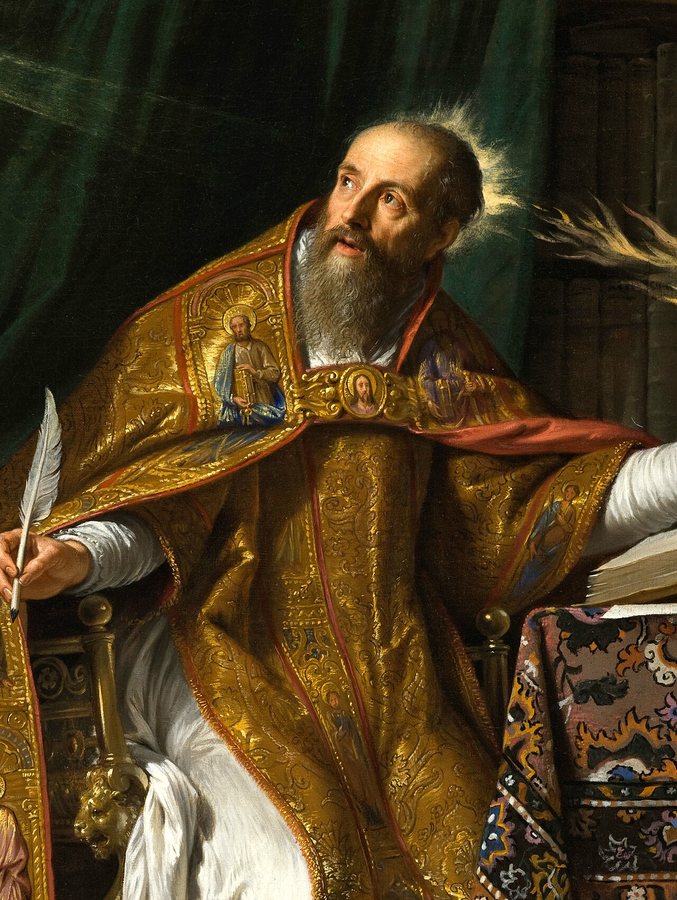
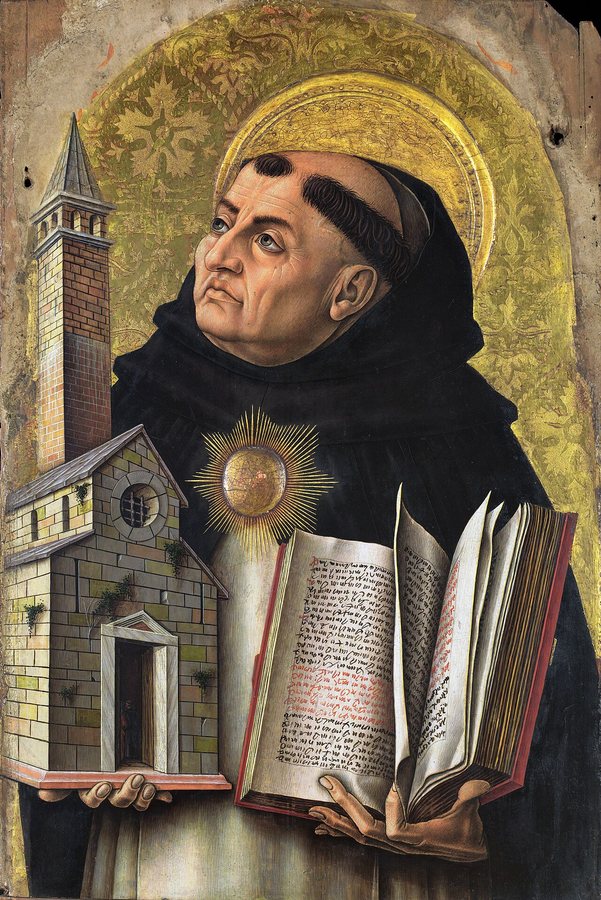
Recognized as a saint in both Eastern and Western traditions, he is honored as a Great Hierarch in the Orthodox and Eastern Catholic Churches. The Roman Catholic Church identifies him as a Doctor of the Church. His theological writings and his rules for monastic living remain central to Christian tradition. He is commemorated on various dates, including January 2 and June 14.