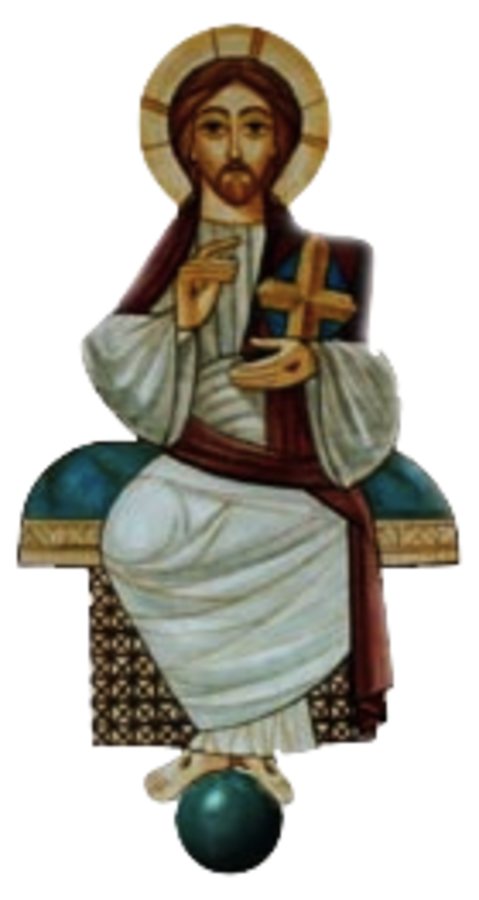
Bar Hebraeus was a 13th-century Syriac Orthodox primate, historian, and highly versatile scholar. Born in Melitene around 1226, he rose to become the maphrian of the East, serving as a regional leader for his community. His extensive intellectual output spanned many disciplines, including theology, medicine, philosophy, and the natural sciences. Throughout a life marked by the shifting political landscapes of the Mongol and Crusader eras, he remained a central figure in the Syriac Christian world, bridging various cultural and religious traditions through his vast literary contributions.
Life and career
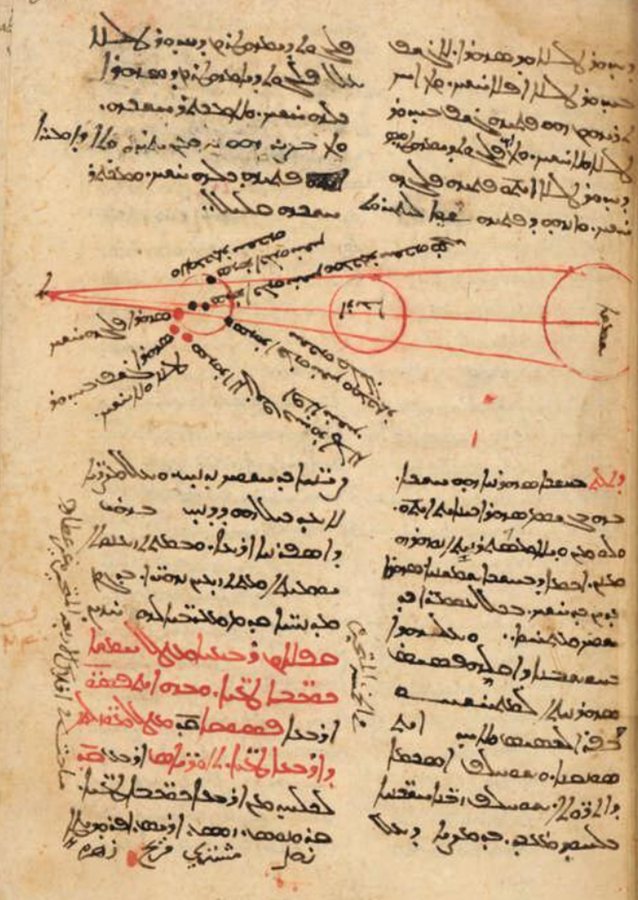
Raised in a noble clerical family in Melitene, Bar Hebraeus was educated in logic and medicine, fields influenced by his father's medical service. He eventually became a monk and traveled to study medicine in Tripoli and Damascus. His medical expertise even led him to serve as a physician to Hulagu Khan. After being ordained a bishop, he was elevated to the rank of maphrian, a position he held while actively supporting his community during periods of intense regional instability.
Intellectual legacy

As a prolific writer, he revitalized Syriac literature by producing encyclopedic works, grammatical studies, and medical texts. His universal history, known as the Tārīkh Mukhtaṣar al-Duwal, achieved significant reach. Because his scholarship integrated Christian, Islamic, and classical knowledge, he earned titles such as the "Ocean of Wisdom." His writings were widely respected by diverse intellectual circles, including Muslim scholars and Latin orientalists, throughout the medieval period.
Veneration
Recognized as a saint, he is honored within the Oriental Orthodox traditions. The Syriac Orthodox Church commemorates him on July 30, which marks the date of his death in Maragheh. His remains are kept at the Mor Mattai Monastery, which serves as a site for pilgrimage by those honoring his memory and his significant role in the history of his faith.