factograf
EN
Sign in

city in Catalonia, Spain

Barcelona

Barcelona

Barcelona is a city on the northeastern coast of Spain and the capital and largest city of the autonomous community of Catalonia. With about 1.7 million people within city limits and around 5.7 million in its urban area, it is the fifth most populous urban area in the European Union. Located between the mouths of the Llobregat and Besòs rivers, it is a major Mediterranean metropolis and a leading cultural, economic and financial centre in southwestern Europe.

Early history
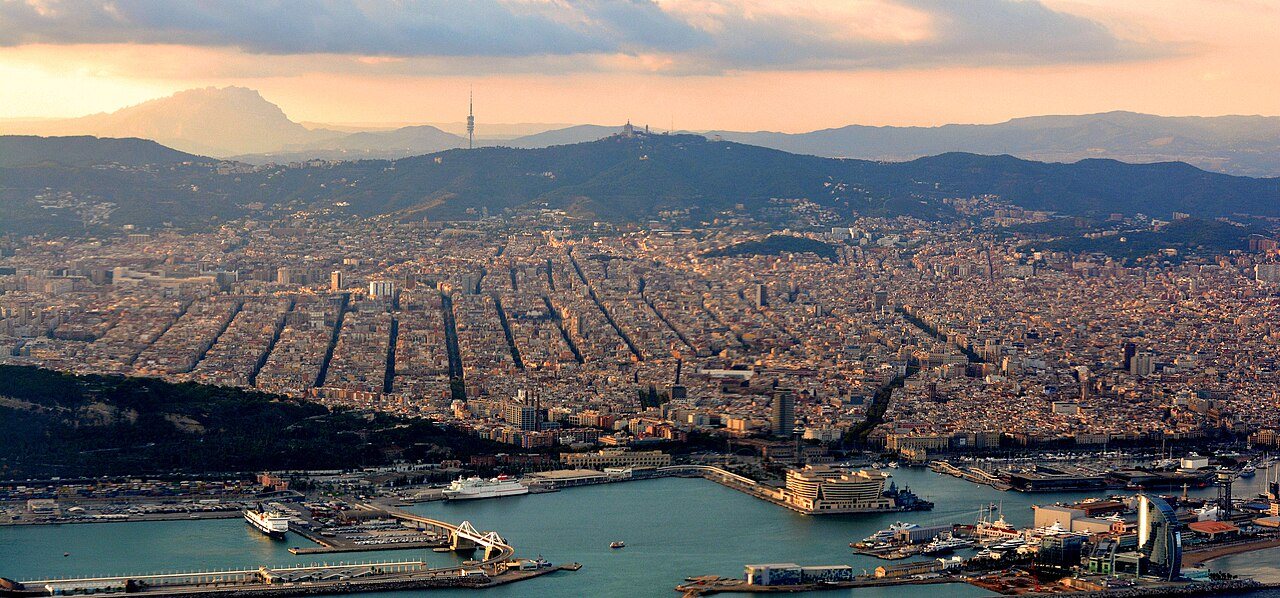
Evening light over Barcelona
View of the Sagrada Família, 2026 corrected
Torre Glòries at night
Arc de Triomf on Palm Sunday
View from the Columbus statue in Barcelona
Avinguda de la Reina Maria Cristina, Barcelona, 2013
Barcelona, Spain
Barcelona, Spain
Casa Milà, general view
A marble plaque in the Museu d'Història de la Ciutat de Barcelona, dated around 110–130 AD and dedicated to the Roman colony of Barcino
The remaining section of the medieval walls
Barcelona in 1563 by Anton van den Wyngaerde
Barcelona before the Cerdà Plan (1857)
12 images

According to tradition, Barcelona was founded by Phoenician or Carthaginian settlers who had trading posts along the Catalan coast, though the attribution to the general Hamilcar Barca has been questioned. Under the Romans, the town was redrawn as a military camp around 15 BC and grew into a colony with a good harbour. In the Middle Ages it became the capital of the County of Barcelona, and later the most important city of the Crown of Aragon.

Modern era and culture

The Camp Nou, the largest stadium in Europe
Palau Sant Jordi (St. George's sporting arena) and Montjuïc Communications Tower
Circuit de Catalunya / Circuit de Barcelona, Formula 1 and MotoGP race track in a suburb of Barcelona
Sagrada Família church at night, designed by Gaudí
Palau de la Música Catalana
Casa Milà
Casa Milà
The National Museum of Art of Catalonia, noted for its collection of Romanesque painting
Barcelona Museum of Contemporary Art
Park Güell
Park Güell
Parc de la Ciutadella, north of La Barceloneta
La Barceloneta
La Barceloneta
Torre Glòries and the 22@Barcelona business and innovation district
12 images

Barcelona was a centre of Catalan separatism and of industrialization and labour movements in the 19th and early 20th centuries. After the transition to democracy in the 1970s it again became the capital of an autonomous Catalonia. The city is known for its architecture, especially the works of Antoni Gaudí and Lluís Domènech i Montaner, which are UNESCO World Heritage Sites, and it hosted the 1992 Summer Olympics.

In 198 languages

EnglishČeštinaDeutschEspañolFrançaisItaliano日本語PolskiPortuguêsРусскийУкраїнська中文AfrikaansShqipአማርኛAragoneseالعربيةMoroccan ArabicEgyptian ArabicAsturianuAymaraAzbAzərbaycanBalineseBavarianbat-smgБашҡортBikolБеларускаяБългарскиBislamaবাংলাབོད་སྐད་BrezhonegBosanskiБуряадCatalàcbk-zamCebuanoНохчийнCheyenneکوردیی ناوەندیCorsicanCrimean TatarKashubianЧӑваш чӗлхиCymraegDanskZazaDolnoserbšćinaΕλληνικάEmlEsperantoEestiEuskaraExtremaduranفارسیfiu-vroSuomiFijianFøroysktArpitanNorthern FrisianFryskGaeilgeGàidhligGilakiGalegoGuaraniGothicHakka ChineseHausaʻŌlelo Hawaiʻiעבריתहिन्दीHrvatskiHornjoserbšćinaHaitian CreoleMagyarՀայերենHywInterlinguaBahasa IndonesiaInterlingueIlokoIdoÍslenskaJawaKara-KalpakTaqbaylitქართულიKongoҚазақшаKanuri한국어کٲشُرKurdî (kurmancî)KernewekКыргызчаLadinoLatinLëtzebuergeschLezghianLingua Franca NovaLigureLimburgishLldLombardLingálaລາວLietuviųLatviešuमैथिलीMalagasyMariМакедонскиമലയാളംМонголमराठीMelayuMaltiMirandeseErzyaမြန်မာمازرونیNeapolitanNeddersass’sch (Nedderlannen)Neddersass’schनेपालीNewariNederlandsNorsk nynorskNovialNorskNrmNyanjaOccitanOloИронPampangaPapiamentoਪੰਜਾਬੀPicardPiemontèisWestern PanjabiپښتوPwnRunasimiRumantschRomânăСаха тылаसंस्कृत भाषाSicilianuScotsSarduسنڌيDavvisámegiellaⵜⴰⵛⵍⵃⵉⵜSrpski (latinica)SlovenčinaSlovenščinaSoomaaliShqipSranan TongoСрпскиSvenskaKiswahiliŚlōnskiSzyதமிழ்తెలుగుТоҷикӣไทยFilipinoTalyshSetswanaToki ponaTürkçeТатарAkanTahitianUdmurtئۇيغۇرچەاردوO‘zbekVenetoVepsVendaTiếng ViệtVolapükWarayWalloonWu ChineseMingrelianייִדישVahcuenghZeelandiczh-yue

Редакція Factograf · Published October 14, 2026 · Partly based on Wikipedia, CC BY-SA 4.0 · Source article