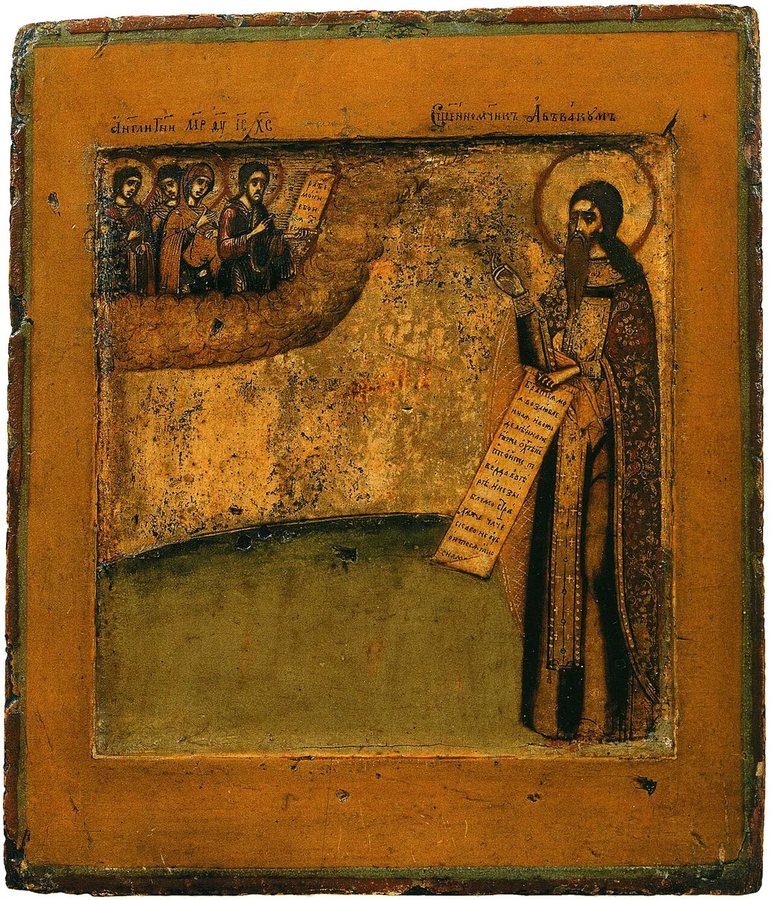
Avvakum was a 17th-century Russian priest and a prominent leader of the Old Believers. Born in Grigorovo, he became a central figure in the opposition against the liturgical reforms introduced by Patriarch Nikon. His refusal to accept these changes, which aimed to align Russian practices with Greek traditions, led to repeated imprisonments and eventual exile. He is widely celebrated as a significant literary figure due to his autobiography, which is regarded as a masterpiece of Russian literature for its unique blend of sacred and vernacular language.
Life and opposition
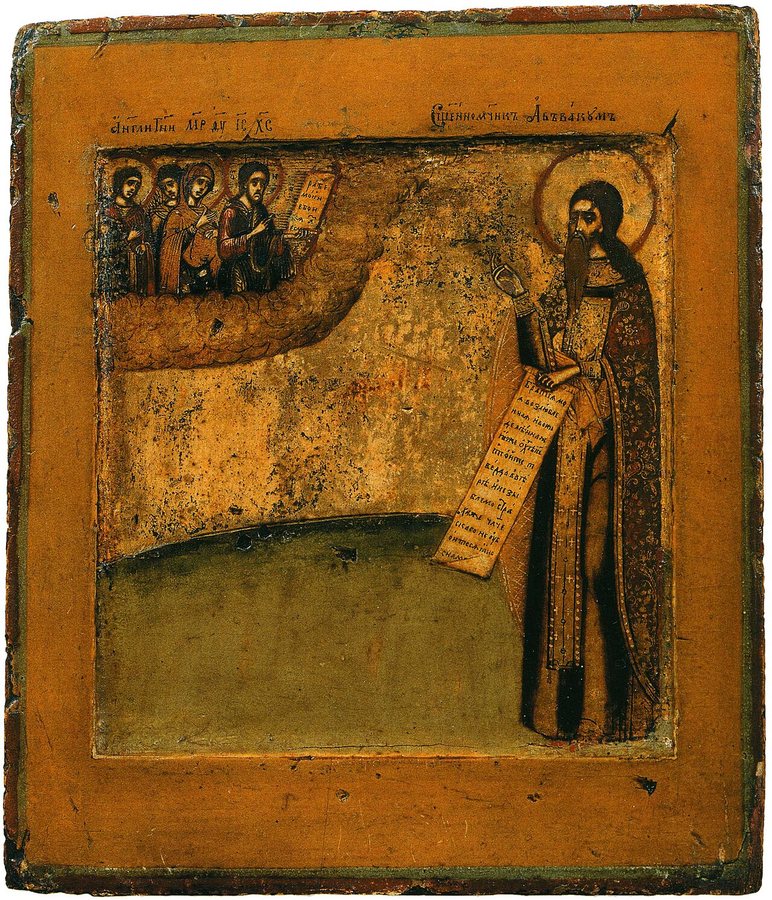

As a protopope of the Kazan Cathedral, Avvakum initially sought to purify the church alongside other zealots. However, when Nikon introduced reforms to the sign of the cross and liturgical books, Avvakum viewed these shifts as a corruption of the true faith. This ideological conflict resulted in his numerous exiles, including a journey to the Chinese border during an expedition in Siberia. He spent his final fourteen years in a dugout in Pustozyorsk before being executed by burning.
Literary legacy

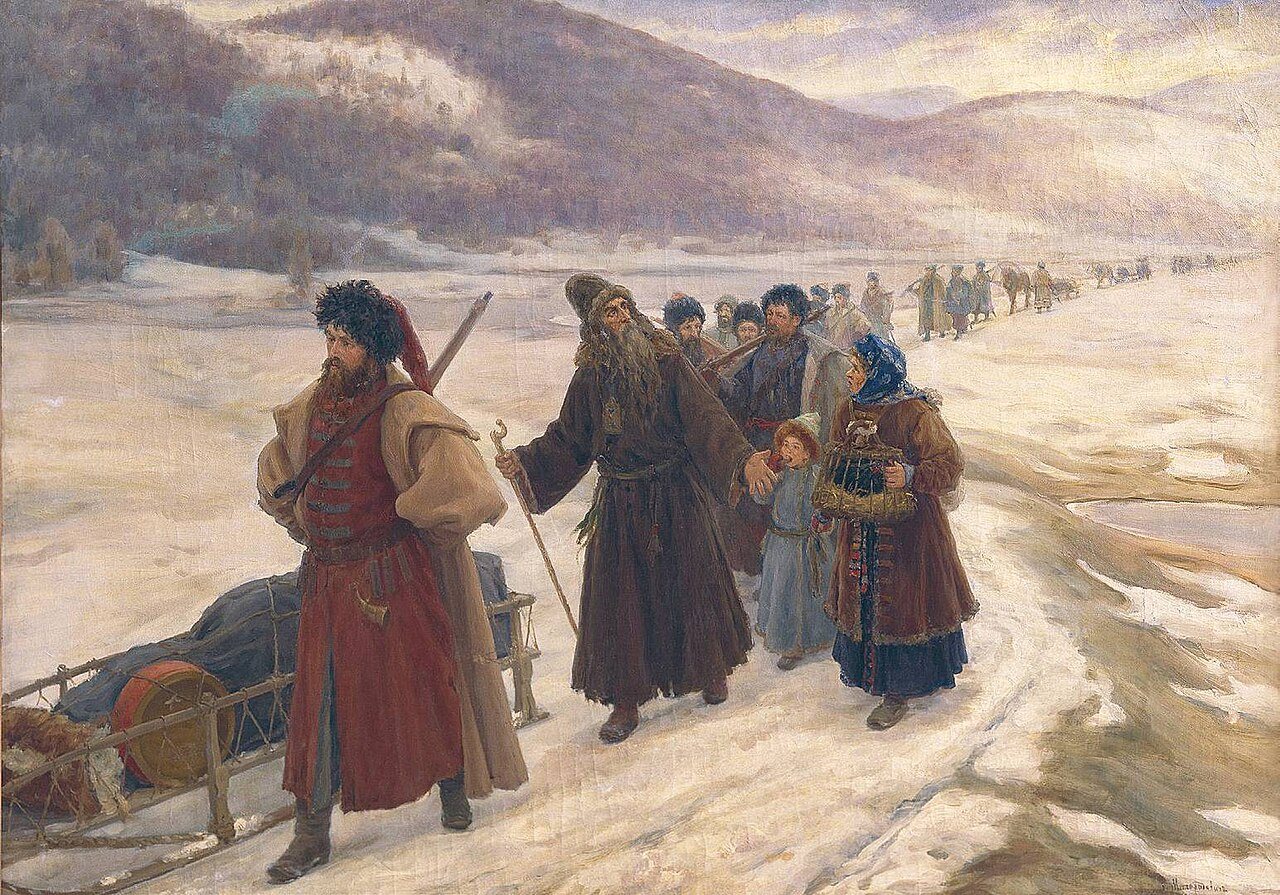
Avvakum's writings, particularly his autobiography, provide a vivid account of his struggles, his time in exile, and his spiritual life. His prose is noted for its distinct style, mixing high church language with common Russian speech. These works were highly valued by later authors such as Dostoevsky and Tolstoy. His religious convictions and subsequent martyrdom have earned him recognition as a saint within the Old Believer tradition.