
Ansel Adams (1902–1984) was an American landscape photographer and environmentalist known for his black-and-white images of the American West. He co-founded Group f/64, which promoted sharp, "pure" photography, and he developed the Zone System with Fred Archer, a method for controlling the final print through exposure, development and printing. His persistent advocacy for conservation, which helped expand the National Park system, earned him the Presidential Medal of Freedom in 1980.
Early life


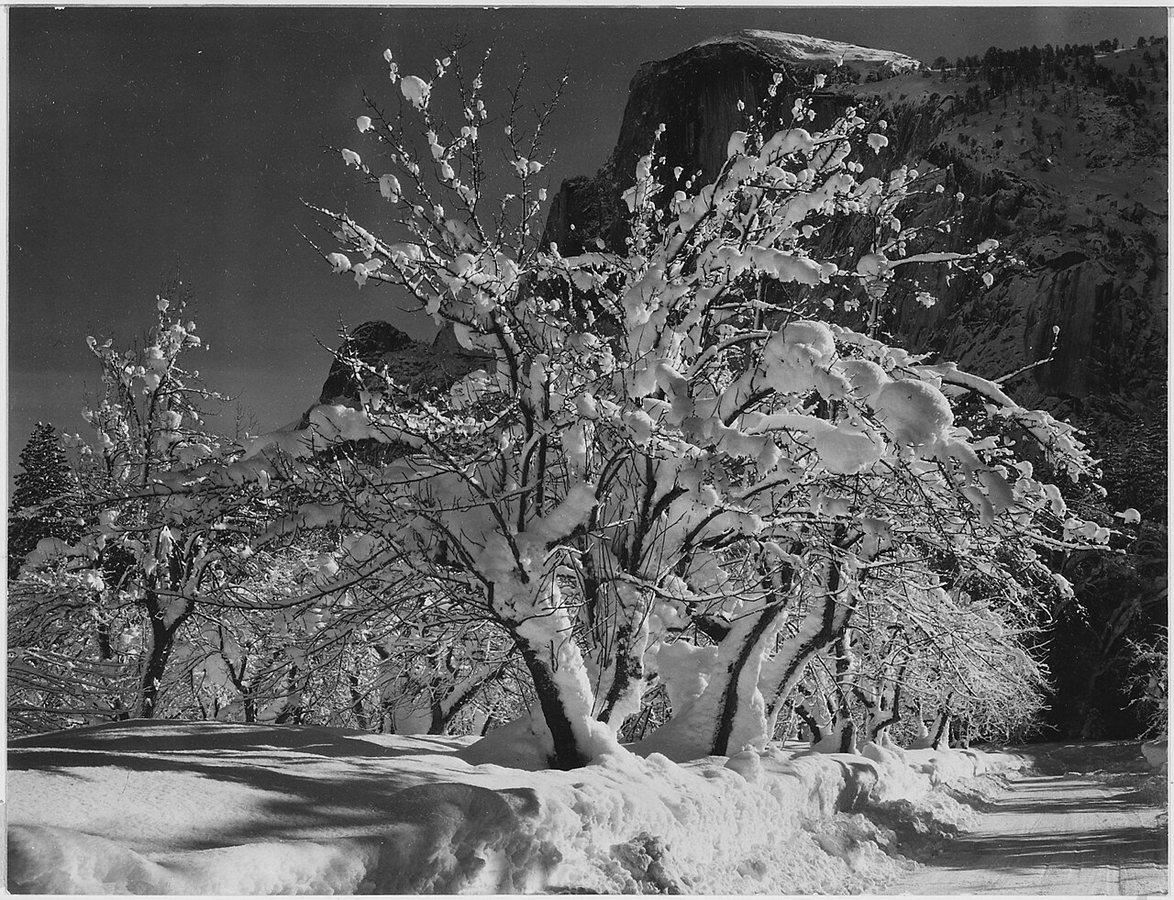


Born in San Francisco, Adams grew up near the Golden Gate and developed an early love of nature. His first visit to Yosemite National Park in 1916 proved decisive: his father gave him a Kodak Brownie camera on that trip, and he began photographing the valley with enthusiasm. Although he first hoped to become a classical pianist, he taught himself basic darkroom technique while working part-time for a San Francisco photograph finisher during the winters of 1917 and 1918.
Advocacy and institutions


Adams was a lifelong conservationist, and his work was closely tied to that cause. He developed his early photography as a member of the Sierra Club and was later contracted by the United States Department of the Interior to photograph national parks. He also played a key advisory role in establishing the photography department at the Museum of Modern Art in New York City, helped found the magazine Aperture, and co-founded the Center for Creative Photography at the University of Arizona.
Legacy


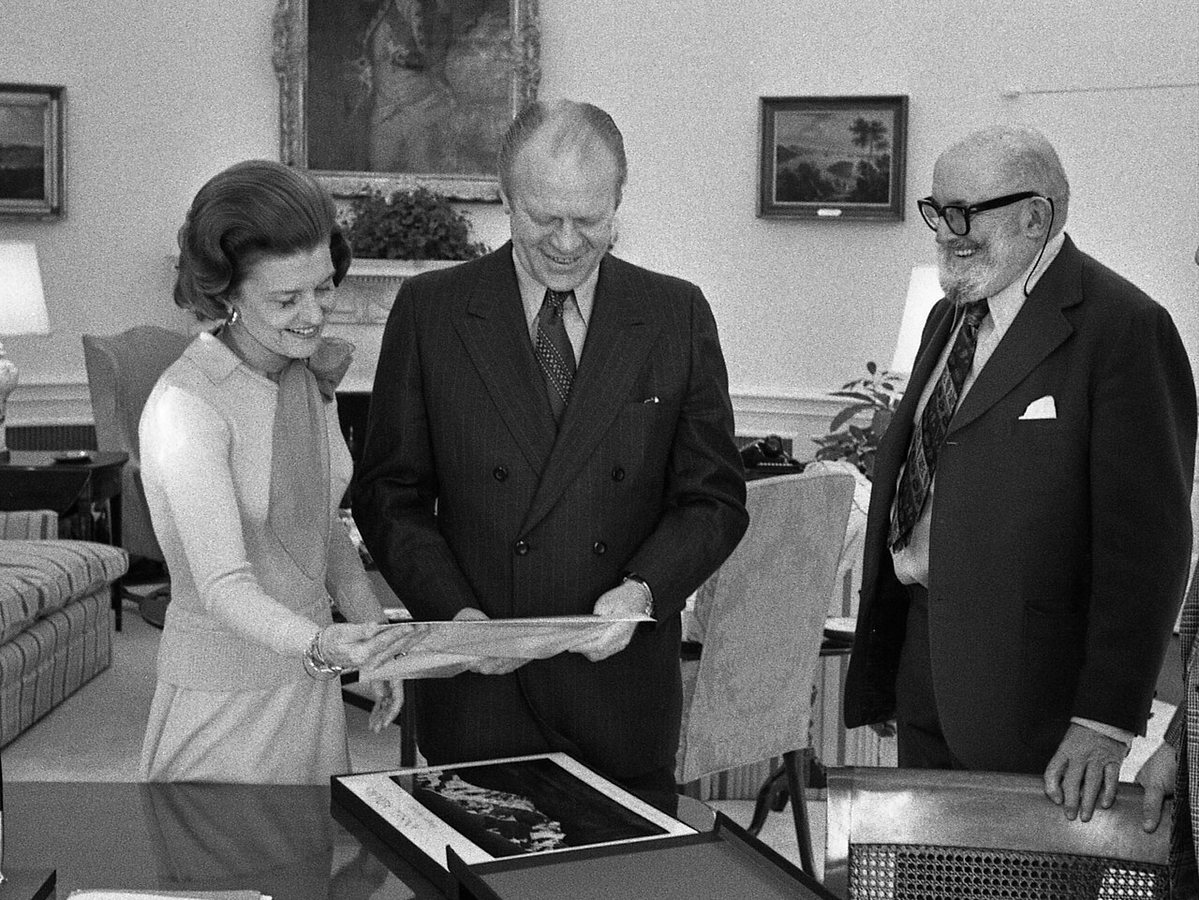


Adams's black-and-white landscapes of the American West, particularly his images of Yosemite, became widely known and influential. His work helped secure photography's institutional legitimacy and shaped how photographers approached tonal range and technical control. His combination of artistic practice and environmental advocacy remains central to how he is remembered.