
Anne Boleyn (c. 1501 or 1507 – 19 May 1536) was Queen of England from 1533 to 1536 as the second wife of King Henry VIII. Her marriage to the king and her execution for treason made her a central figure in the political and religious upheaval that marked the start of the English Reformation. Her dispute with the Catholic Church over the annulment of Henry's first marriage led to the break between the Church of England and Rome.
Early years


Anne was the daughter of Thomas Boleyn and Elizabeth Howard, and was educated in the Netherlands and France. Her exact birth date is uncertain, and historians debate whether it was around 1501 or 1507. Her family had ties to the powerful Howard family and to earlier English royalty. In the household of Margaret of Austria she was known as Anna Bolina, a Latinised form used in most of her portraits, and her early schooling followed the pattern typical for women of her rank.
Reformation and downfall
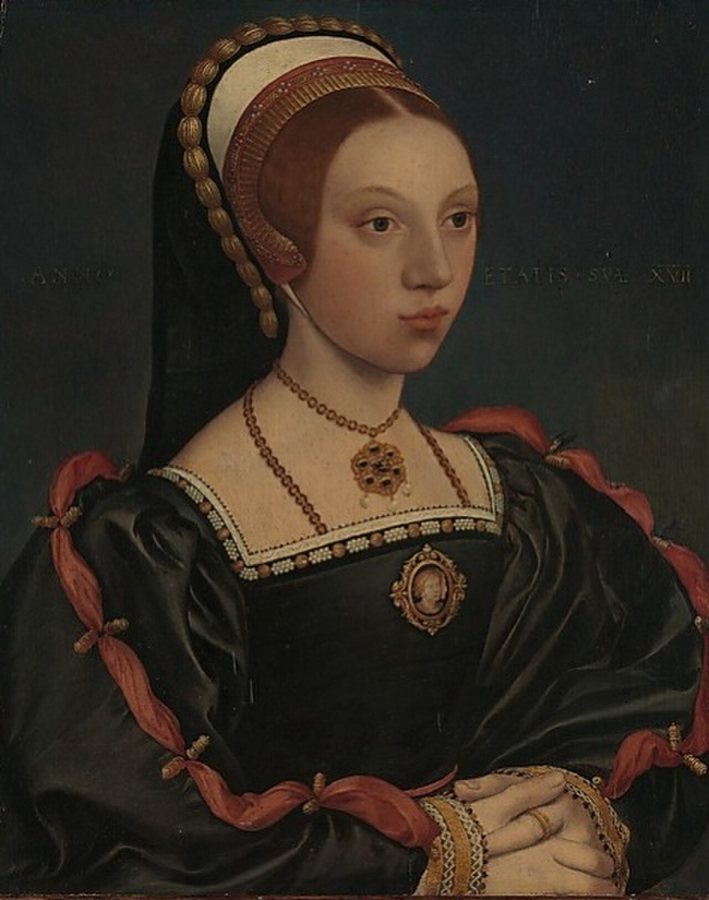


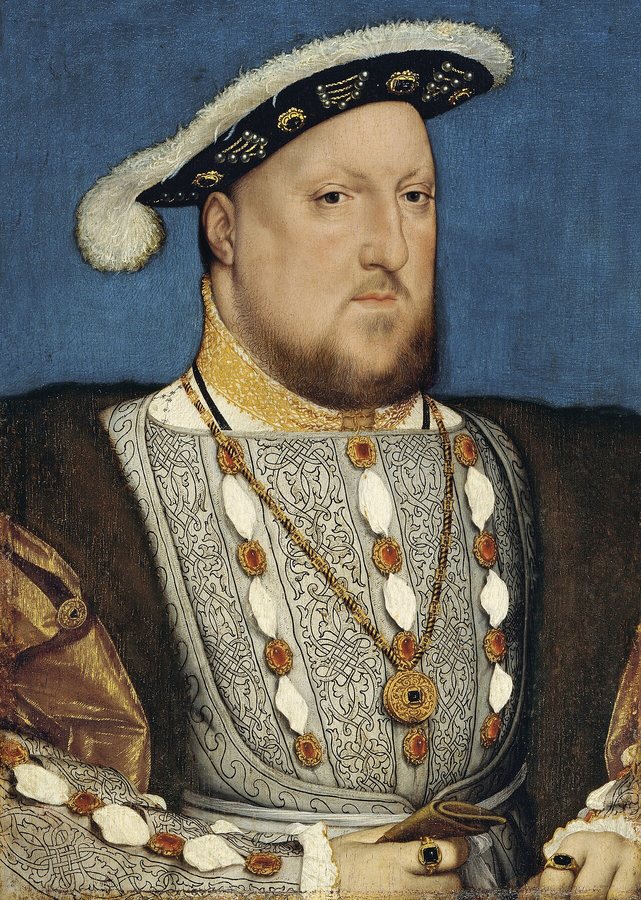


Henry's effort to annul his marriage to Catherine of Aragon failed when the Pope refused to grant it, so Henry broke with the Church in England and took control of it. After Anne's daughter Elizabeth was born in 1533, Anne suffered several miscarriages, and Henry turned his attention to Jane Seymour. Anne was arrested in 1536 on charges including adultery, incest and treason. Most historians dispute these charges, and she was beheaded that May.
Legacy


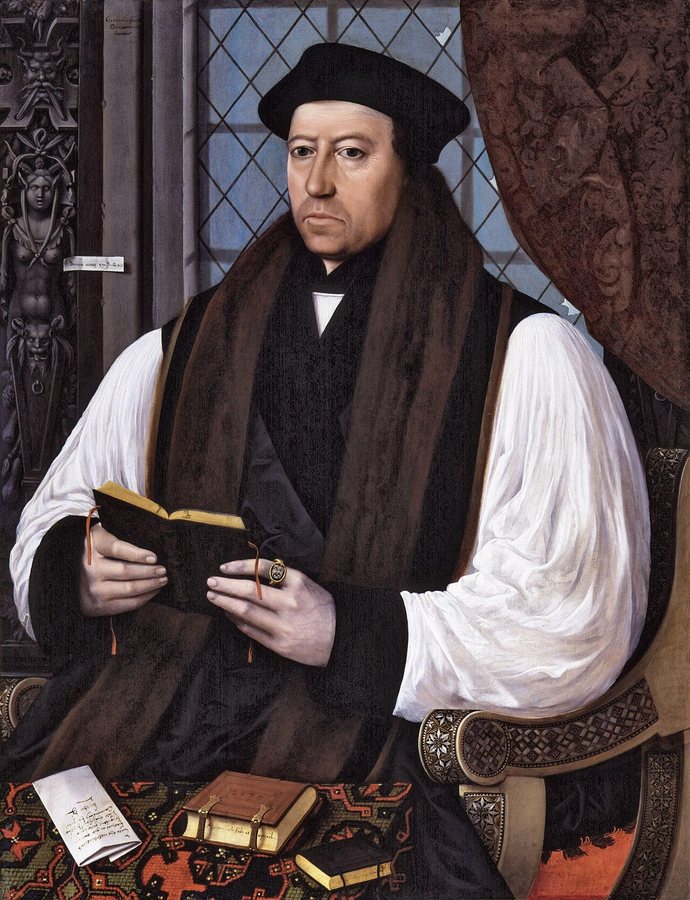


After her daughter Elizabeth became queen in 1558, Anne was venerated as a martyr and heroine of the Reformation, especially through the writings of George Wyatt. She has inspired many cultural works and remains prominent in popular imagination. She has been described as the most influential and important queen consort England has ever had, since her circumstances gave Henry the occasion to declare the English Church's independence from the Vatican.