factograf
EN
Sign in

sovereign microstate between France and Spain, in Western Europe

Andorra

Andorra

Andorra, officially the Principality of Andorra, is a landlocked country in the eastern Pyrenees, bordered by France to the north and Spain to the south. It is headed by two co-princes, the Bishop of Urgell in Catalonia and the president of France, and its capital, Andorra la Vella, is the highest capital city in Europe. Andorra is not a member of the European Union but has belonged to the Council of Europe and the United Nations since 1993. Tourism is a major part of its economy.

Origins and early rule

Location of Andorra in Europe
Roc de les Bruixes prehistoric sanctuary in Canillo (detail)
Hannibal's route (red) during the Second Punic War, with Iberian tribes (green) fighting the Carthaginian army in the Pyrenees
Charlemagne instructing his son, Louis the Pious
The six old parishes, each named for its patron saint, as shown in the 839 Deed of Consecration and Endowment of the Cathedral of La Seu d'Urgell
Sant Joan de Caselles church, dating from the 11th century, part of Andorra's Romanesque heritage
Apse fresco of Sant Miquel d'Engolasters church, painted by the Master of Santa Coloma in the 12th century
Main hall of the Tribunal de Corts (High Court of Justice) inside the Casa de la Vall, Andorra's central judiciary court
Manor house of the Rossell family in Ordino, Casa Rossell, built in 1611, whose family also owned major ironwork forges
Guillem d'Areny-Plandolit, who led the New Reform of 1866
Canillo scenery during the Revolution of 1881
Boris Skossyreff, briefly self-proclaimed King of Andorra in 1934
12 images

Andorra was traditionally linked to Charlemagne, and was later ruled by the count of Urgell before passing to the Diocese of Urgell in 988. It was formed as a polity by a charter in 1278 and remained a lordship within the Principality of Catalonia until 1715. The name Andorra has an uncertain origin, and several explanations have been proposed without a definitive conclusion. Its early history combines Iberian, Roman, Visigothic and Frankish influences.

Prehistory and heritage

JLSerranoP
JLSerranoP
Emmanuel Macron, June 2025, cropped
Xavier Espot Zamora in 2024, cropped
Andorra
Andorra
The embassy of Andorra in Brussels
A Police Corps of Andorra patrol car in Andorra la Vella
Andorra–La Seu d'Urgell Airport, 12 km (7 mi) from Andorra, in Montferrer i Castellbò (Catalonia, eastern Spain)
A train at Latour-de-Carol (La Tor de Querol), one of the two stations serving Andorra, which has no railways of its own
The town of Encamp, seen from the Vall dels Cortals
Most signage in Andorra is in Catalan
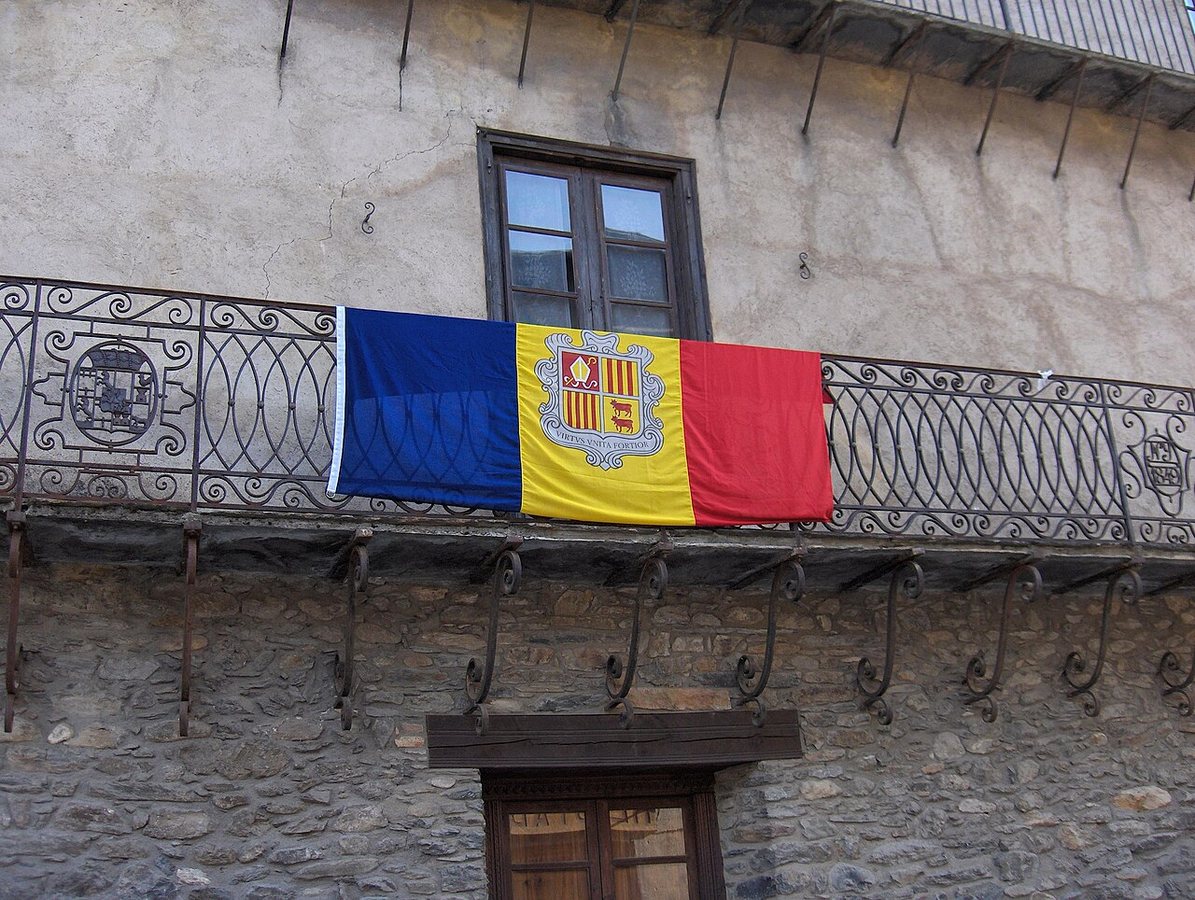
Andorran flag on a balcony in Ordino
Grandalla flower, the national symbol
12 images

Archaeological sites show human activity from around 9500 BC, when a seasonal hunting camp was established at La Balma de la Margineda. Later Neolithic and Bronze Age settlements left tombs, metal objects and sanctuaries, including the Roc de les Bruixes complex in Canillo. Romanesque churches from the 11th and 12th centuries also form part of the national heritage.

In 281 languages

EnglishČeštinaDeutschEspañolFrançaisItaliano日本語PolskiPortuguêsРусскийУкраїнська中文AbkhazianAcehneseAdygheAfrikaansShqipAmiአማርኛOld EnglishAngikaAragoneseAramaicالعربيةMoroccan ArabicEgyptian ArabicAsturianuKotavaAvaricAwadhiAymaraAzbAzərbaycanBalineseBavarianbat-smgБашҡортBatak TobaBikolБеларускаяBetawiБългарскиBhojpuriBislamaBlkবাংলাབོད་སྐད་BishnupriyaBrezhonegBosanskiБуряадCatalàCdoCebuanoНохчийнᏣᎳᎩChamorroکوردیی ناوەندیCorsicanCrimean TatarKashubianChurch SlavicЧӑваш чӗлхиCymraegDagDanskZazaDolnoserbšćinaDtyDivehiརྫོང་ཁEʋegbeΕλληνικάEmlEsperantoEestiEuskaraExtremaduranفارسیPulaarfiu-vroSuomiFøroysktArpitanNorthern FrisianFurlanFryskGagauzGaeilgeGcrGàidhligGilakiGalegoGuaraniकोंकणीGothicગુજરાતીGaelgHakka ChineseHausaʻŌlelo HawaiʻiעבריתFiji Hindiहिन्दीHrvatskiHornjoserbšćinaHaitian CreoleMagyarՀայերենHywInterlinguaIbanBahasa IndonesiaInterlingueIgboIlokoIdoIsvÍslenskaJamaican Creole EnglishLojbanJawaKara-KalpakTaqbaylitKaiქართულიKabardianKbpKongoҚазақшаខ្មែរಕನ್ನಡKomi-Permyak한국어Karachay-BalkarKölschکٲشُرKurdî (kurmancî)KomiKernewekКыргызчаLadinoLatinLëtzebuergeschLezghianLingua Franca NovaLugandaLigureLimburgishLldLombardLingálaລາວLatgalianLietuviųLatviešuMadureseMagahiमैथिलीmap-bmsMokshaMalagasyMariMinangkabauMāoriМакедонскиമലയാളംমৈতৈলোন্МонголWestern MariमराठीMelayuMaltiMirandeseErzyaမြန်မာمازرونیNeapolitanNeddersass’sch (Nedderlannen)Neddersass’schनेपालीNewariNederlandsNorsk nynorskNovialNorskNrmSesotho sa LeboaNupOccitanOloOromooଓଡ଼ିଆИронPangasinanPampangaPapiamentoਪੰਜਾਬੀPicardPennsylvania GermanPiemontèisWestern PanjabiPonticپښتوRunasimiRumantschRomanyroa-rupRoa (Tara)RomânăRusynIkinyarwandaСаха тылаसंस्कृत भाषाSicilianuScotsSarduسنڌيDavvisámegiellaSängöⵜⴰⵛⵍⵃⵉⵜတႆးSrpski (latinica)සිංහලSlovenčinaSlovenščinaAnarâškielâSamoanChiShonaSoomaaliShqipSranan TongoСрпскиSwatiSaterland FrisianBasa SundaSvenskaKiswahiliŚlōnskiSzyதமிழ்TayTetumతెలుగుТоҷикӣไทยTürkmen diliFilipinoTalyshToki ponaLea fakatongaTok PisinTarokoTürkçeTsongaТатарTumbukaAkanUdmurtئۇيغۇرچەاردوO‘zbekVenetoVepsTiếng ViệtWest FlemishVolapükWarayWalloonWolofWu ChineseKalmykIsiXhosaMingrelianייִדישÈdè YorùbáVahcuenghZeelandicⵜⴰⵎⴰⵣⵉⵖⵜzh-yueIsiZulu

Редакція Factograf · Published October 14, 2026 · Partly based on Wikipedia, CC BY-SA 4.0 · Source article