
Alexander Nevsky was a 13th-century ruler of several Russian principalities, including Novgorod and Vladimir. Born in Pereslavl-Zalessky around 1221, he became a prominent military leader known for defending his territories against foreign incursions. He is most famous for his victories over Swedish forces at the Neva River and against German crusaders during the Battle on the Ice. By choosing to pay tribute to the Golden Horde, he sought to protect the Eastern Orthodox Church from Western influence. He died in Gorodets in 1263 and is venerated as a saint in both Catholic and Orthodox traditions.
Military leadership

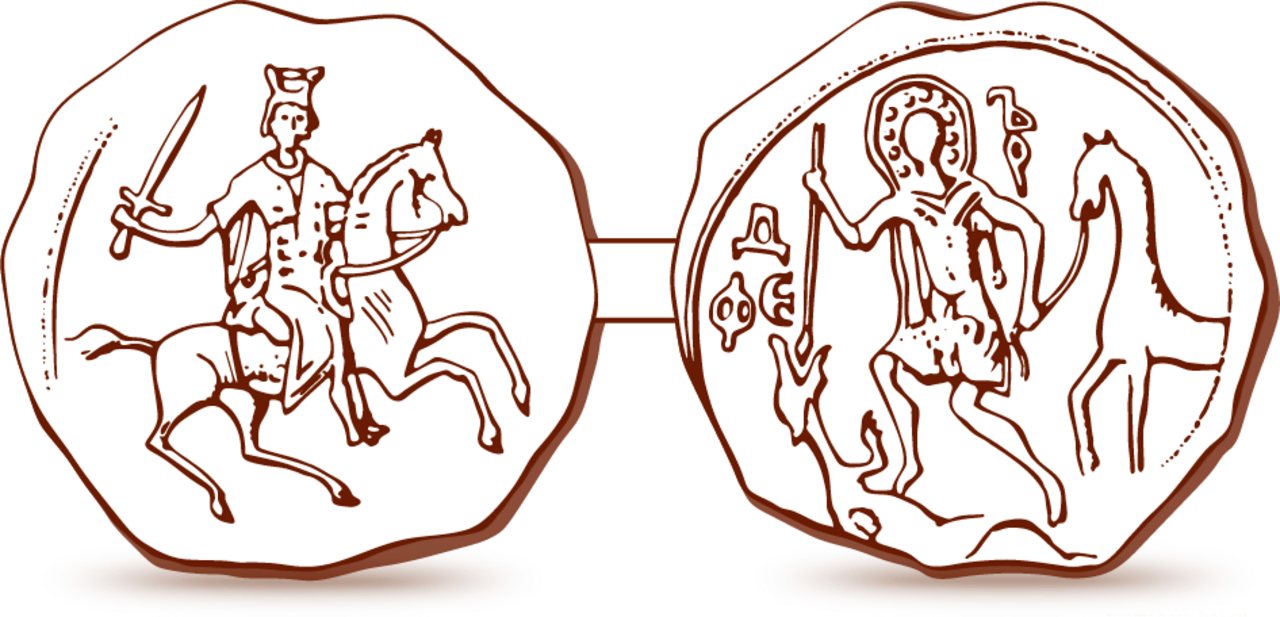
As a prince, Alexander led successful campaigns to protect the borders of Kievan Rus'. His victory at the Neva River in 1240 earned him his famous epithet. He also defeated German crusaders in 1242, a feat that solidified his reputation as a defender of the faith. While some historians suggest his military achievements were later emphasized for political reasons, his leadership remains a central part of his historical identity.
Veneration and legacy


Alexander was canonized as a right-believing saint, with his feast day observed on 23 November. His legacy has been utilized by various leaders, from Peter the Great to Soviet officials, to inspire patriotism. He is remembered as a protector of the people, though modern scholars debate whether his cooperation with the Golden Horde helped preserve his lands or merely ensured Mongol dominance over the region.