factograf
EN
Sign in

German painter, printmaker, and theorist of the Northern Renaissance

Albrecht Dürer

Albrecht Dürer

Albrecht Dürer was a prominent German painter, printmaker, and theorist who lived from 1471 to 1528. Born in Nuremberg, he became a central figure of the Northern Renaissance, gaining international fame during his twenties through his exceptional woodcut prints. His artistic style integrated classical motifs and humanistic ideals, influenced by his travels to Italy and interactions with masters like Leonardo da Vinci and Raphael. Beyond his visual works, he contributed significantly to art theory through treatises on mathematics, linear perspective, and human proportions.

Life and career
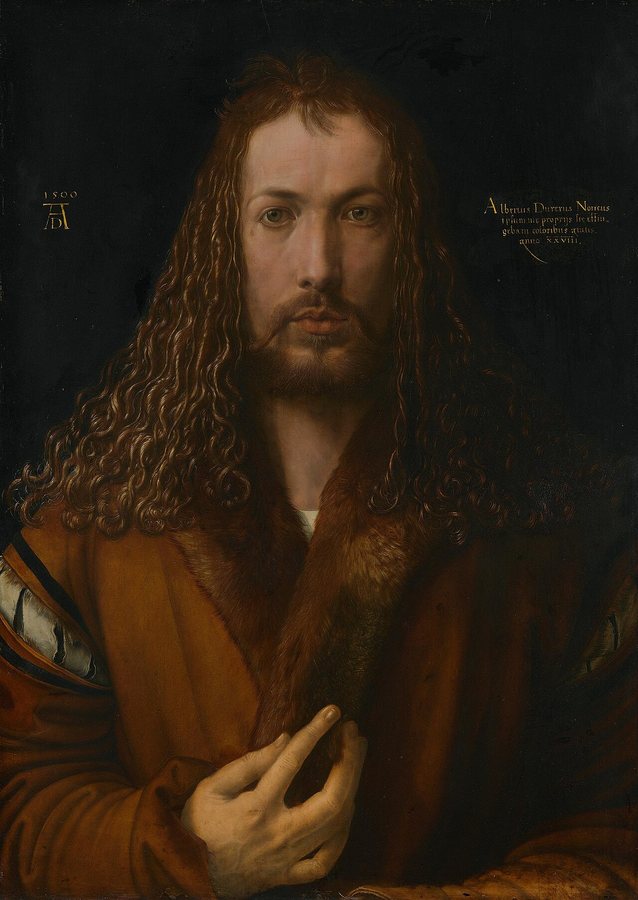
Dürer at the Alte Pinakothek
A silverpoint self-portrait by Dürer at age thirteen, 1484
2 images

Raised in a Nuremberg goldsmithing family, Dürer began his artistic training as an apprentice to Michael Wolgemut. After traveling through various German cities, he journeyed to Italy to study Venetian art, which profoundly shaped his technique. He married Agnes Frey in 1494 and later received patronage from Emperor Maximilian I. His diverse output included watercolours, altarpieces, and highly detailed engravings that utilized advanced tonal ranges.

Artistic legacy

The earliest painted self-portrait, depicting the artist holding a thistle, 1493
A 1494 sketch of Dürer's wife, Agnes Frey
2 images

Dürer is remembered for revolutionizing woodcut printing and advancing the use of the burin in engraving. By introducing Italian classical elements and the study of the nude into Northern European art, he bridged different cultural traditions. His theoretical writings on geometry and body proportions further established his status as a leading intellectual of his era, ensuring his influence persisted long after his death.

In 161 languages

EnglishČeštinaDeutschEspañolFrançaisItaliano日本語PolskiPortuguêsРусскийУкраїнська中文AfrikaansShqipSouthern AltaiአማርኛAragoneseالعربيةMoroccan ArabicEgyptian ArabicAsturianuঅসমীয়াAymaraAzbAzərbaycanBavarianbat-smgБашҡортБеларускаяБългарскиBislamaবাংলাBrezhonegBosanskiBtmБуряадCatalàНохчийнکوردیی ناوەندیCrimean TatarЧӑваш чӗлхиCymraegDanskZazaΕλληνικάEmlEsperantoEestiEuskaraفارسیfiu-vroSuomiFøroysktNorthern FrisianFryskGaeilgeGàidhligGalegoGuaraniGaelgעבריתFiji Hindiहिन्दीHrvatskiHornjoserbšćinaHaitian CreoleMagyarՀայերենInterlinguaBahasa IndonesiaInterlingueIlokoIdoÍslenskaJawaKara-KalpakTaqbaylitქართულიKabardianKbpTyapKongoҚазақшаKanuriಕನ್ನಡ한국어KölschKurdî (kurmancî)KernewekКыргызчаLatinLëtzebuergeschLezghianLimburgishLldLombardLingálaLietuviųLatviešuMalagasyMariMāoriМакедонскиമലയാളംМонголमराठीMelayuMaltiMirandeseمازرونیNeddersass’schनेपालीNewariNederlandsNorsk nynorskNorskOccitanPampangaਪੰਜਾਬੀPicardPiemontèisWestern PanjabiRunasimiRomânăRusynСаха тылаᱥᱟᱱᱛᱟᱲᱤسنڌيDavvisámegiellaSrpski (latinica)SlovenčinaSlovenščinaSamoanShqipSranan TongoСрпскиSaterland FrisianSvenskaKiswahiliSzyதமிழ்తెలుగుТоҷикӣไทยFilipinoTalyshTürkçeТатарТываاردوO‘zbekVepsTiếng ViệtWest FlemishVolapükWarayWu ChineseMingrelianייִדישVahcuenghzh-yue

Редакція Factograf · Published October 23, 2026 · Partly based on Wikipedia, CC BY-SA 4.0 · Source article