factograf
EN
Sign in

dictator of Germany from 1933 to 1945 (1889–1945)

Adolf Hitler

Adolf Hitler

Adolf Hitler (1889–1945) was an Austrian-born German politician who led Nazi Germany as dictator from 1933 until his suicide in 1945. Rising as leader of the Nazi Party, he became chancellor in 1933 and took the title Führer und Reichskanzler in 1934. His invasion of Poland in September 1939 began the Second World War, and under his direction the Nazi regime carried out the Holocaust, the genocide of about six million Jews, along with the killing of millions of other victims.

Early life and rise

Hitler portrait, cropped version 2
Hitler, circa 1889–1890
Alois Hitler in his last years, version 2
Klara Hitler
Klara Hitler
The house in Leonding, Austria, where Hitler spent his early adolescence
Hitler (far right, seated) with comrades from the Bavarian Reserve Infantry Regiment 16, circa 1914–18
Hitler's German Workers' Party (DAP) membership card
7 images

Hitler was born in Braunau am Inn, in Austria-Hungary, and moved to Germany in 1913. He served in the German Army during the First World War and received the Iron Cross. In 1919 he joined the German Workers' Party, the forerunner of the Nazi Party, and in 1921 became its leader. After a failed coup in Munich in 1923 he was imprisoned, and while there he dictated the first volume of Mein Kampf. Following his early release, he gained support by attacking the Treaty of Versailles and promoting antisemitism and anti-communism.

Dictatorship and war

Dust jacket of the 1926–28 edition of Mein Kampf, which Hitler wrote in 1925
Hitler at a window of the Reich Chancellery acknowledging an ovation on the evening of his inauguration as chancellor, 30 January 1933
Portrait of Hitler by Heinrich Knirr (1937)
Hitler and his staff giving the Nazi salute to the teams during the opening ceremonies of the XI Olympic Games, August 1936
Hitler (right) with Japanese Foreign Minister Yōsuke Matsuoka (left)
Hitler reviews marching troops during the invasion of Poland, September 1939
6 images

After the Nazis won the most seats in the Reichstag in November 1932, Hitler was appointed chancellor in January 1933, and the Enabling Act soon transformed the Weimar Republic into a dictatorship. On Hindenburg's death in 1934 he assumed the office of head of state. His early years brought economic recovery and territorial expansion, while racist policies marginalised German Jews. His invasion of Poland in 1939 led to war with Britain and France, and his later decisions expanded the conflict across Europe. Allied forces defeated Germany in 1945.

Legacy

Hitler announces the declaration of war on the United States to the Reichstag on 11 December 1941
Hitler and Mussolini inspect the damage at the Wolf's Lair after the 20 July plot
Front page of Stars and Stripes, 2 May 1945, announcing Hitler's death; it wrongly gives 1 May as the date, but he died on 30 April
A mass grave at Bergen-Belsen after the camp's liberation, April 1945
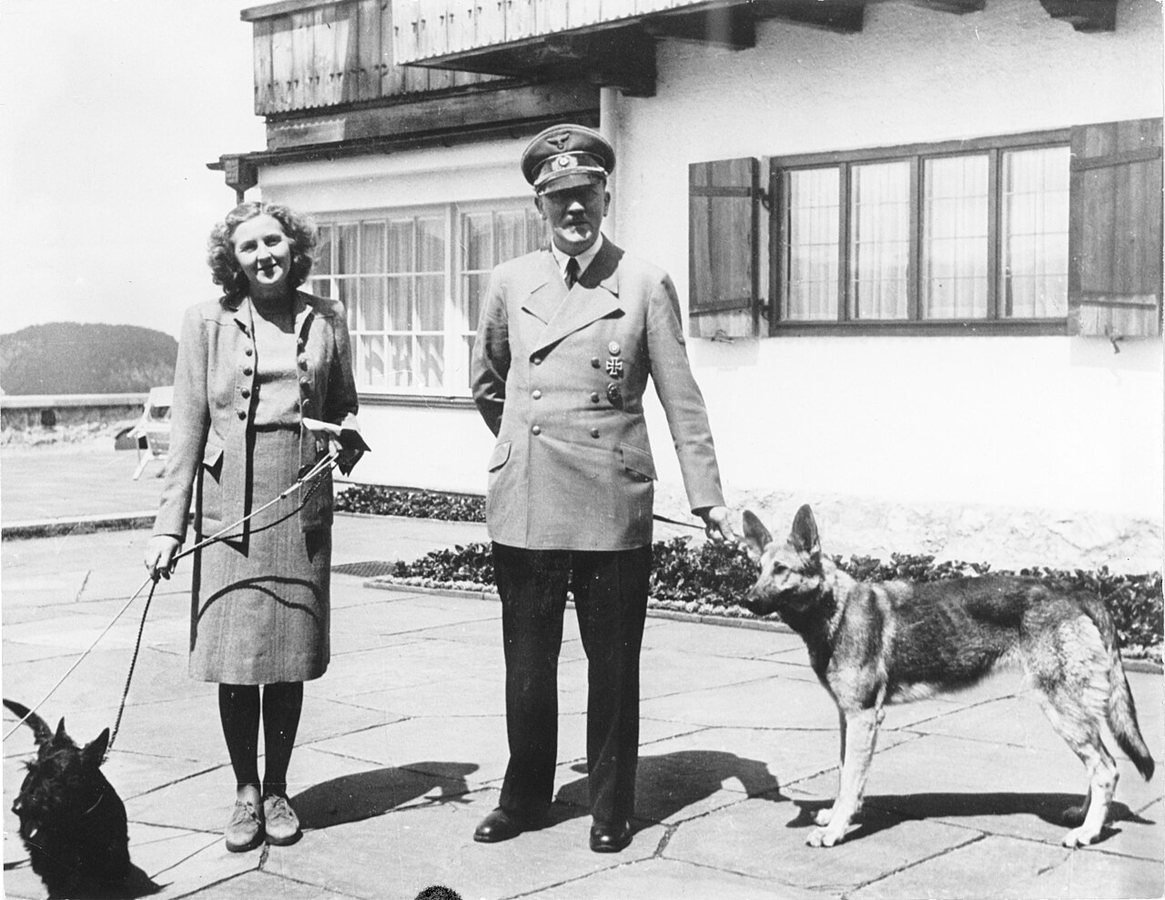
Hitler and Braun in 1942
Memorial stone outside a building in Braunau am Inn, Austria, where Hitler was born, serving as a reminder of World War II, reading: For peace, freedom and democracy, never again fascism, millions of dead warn (us)
6 images

Historians regard Hitler as a central figure in the origins and conduct of the Second World War and the Holocaust. The historian Ian Kershaw described him as the embodiment of modern political evil. Estimates indicate that the Nazi regime killed millions of civilians and prisoners of war, and the conflict is considered the deadliest in history. Hitler and his partner Eva Braun died by suicide in Berlin on 30 April 1945.

In 247 languages

EnglishČeštinaDeutschEspañolFrançaisItaliano日本語PolskiPortuguêsРусскийУкраїнська中文AbkhazianAfrikaansShqipአማርኛOld EnglishAngikaAragoneseAramaicالعربيةMoroccan ArabicEgyptian ArabicAsturianuঅসমীয়াAwadhiAzbAzərbaycanBalineseBavarianbat-smgБашҡортBikolБеларускаяBetawiБългарскиBhojpuriBanjarবাংলাBolབོད་སྐད་BrezhonegBosanskiBtmБуряадCatalàCdoCebuanoНохчийнکوردیی ناوەندیCorsicanCrimean TatarKashubianЧӑваш чӗлхиCymraegDagDanskDinkaZazaDivehiΕλληνικάEmlEsperantoEestiEuskaraExtremaduranفارسیPulaarfiu-vroSuomiFøroysktNorthern FrisianFurlanFryskGan ChineseGaeilgeGcrGàidhligGilakiGalegoGuaraniकोंकणीગુજરાતીGuwGaelgHakka ChineseHausaʻŌlelo HawaiʻiעבריתFiji Hindiहिन्दीHrvatskiHornjoserbšćinaHaitian CreoleMagyarՀայերենHywInterlinguaIbanBahasa IndonesiaInterlingueIgboIlokoIdoIsvÍslenskaInuktitutJamaican Creole EnglishLojbanJawaKara-KalpakTaqbaylitქართულიKabardianKbpҚазақшаខ្មែរKanuriಕನ್ನಡ한국어KölschکٲشُرKurdî (kurmancî)KernewekКыргызчаLadinoLatinLëtzebuergeschLezghianLingua Franca NovaLugandaLimburgishLldLombardລາວLatgalianLietuviųLatviešuMadureseमैथिलीmap-bmsMokshaMalagasyMariMinangkabauMāoriМакедонскиമലയാളംМонголमराठीMelayuMaltiMirandeseမြန်မာمازرونیNeapolitanNeddersass’sch (Nedderlannen)Neddersass’schनेपालीNewariNederlandsNorsk nynorskNovialNorskߒߞߏNavajoNyanjaOccitanOloOromooИронPangasinanPapiamentoਪੰਜਾਬੀPicardPennsylvania GermanPiemontèisWestern PanjabiپښتوRunasimiRkiRumantschRomanyroa-rupRoa (Tara)RomânăRusynIkinyarwandaСаха тылаᱥᱟᱱᱛᱟᱲᱤसंस्कृत भाषाSicilianuScotsSarduسنڌيDavvisámegiellaSrpski (latinica)සිංහලSkrSlovenčinaSlovenščinaChiShonaSoomaaliShqipSranan TongoСрпскиSaterland FrisianSesothoBasa SundaSvenskaKiswahiliŚlōnskiSzyதமிழ்తెలుగుТоҷикӣไทยትግርኛFilipinoTalyshToki ponaLea fakatongaTürkçeTsongaТатарTumbukaТываUdmurtئۇيغۇرچەاردوO‘zbekVenetoVepsTiếng ViệtWest FlemishVolapükWarayWalloonWu ChineseMingrelianייִדישÈdè YorùbáVahcuenghZeelandicⵜⴰⵎⴰⵣⵉⵖⵜzh-yueIsiZulu

Редакція Factograf · Published October 14, 2026 · Partly based on Wikipedia, CC BY-SA 4.0 · Source article