
The 2026 Iran war is an armed conflict that began on 28 February 2026, when the United States and Israel launched hundreds of air strikes on targets across Iran, including strikes that killed Supreme Leader Ali Khamenei. The war followed the Twelve-Day War of June 2025 and ongoing negotiations over Iran's nuclear program. Iran and its regional allies responded with missile and drone attacks on Israel, US bases and Gulf states, and Iran blocked the Strait of Hormuz. The war has caused thousands of casualties and major disruption to global oil and gas markets.
Origins and rationale


The war was preceded by the largest US military buildup in the region since the 2003 invasion of Iraq. American justifications included regime change, preventing Iran from obtaining a nuclear weapon, responding to the killing of anti-government protesters in Iran, and access to Iran's oil and gas resources. Critics argued that the attack was a war of aggression violating international law, and public opinion in the United States and many other countries largely opposed the war.
Ceasefires and negotiations


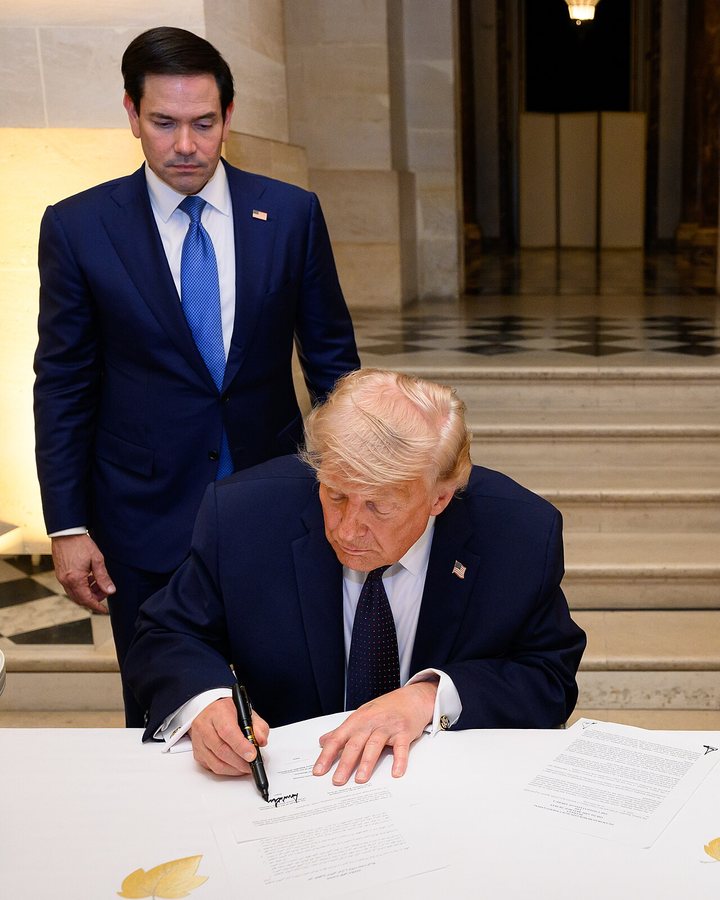
A two-week ceasefire began on 8 April but came under strain as fighting continued in Lebanon. Talks in Islamabad in April failed, after which the United States imposed a naval blockade. A memorandum to end the war was signed on 17 June by the presidents of the United States and Iran, but tensions again escalated. The United States and Iran agreed to cease their exchange of attacks on 28 June, yet the ceasefire collapsed on 8 July after Iran attacked commercial vessels in the Strait of Hormuz.