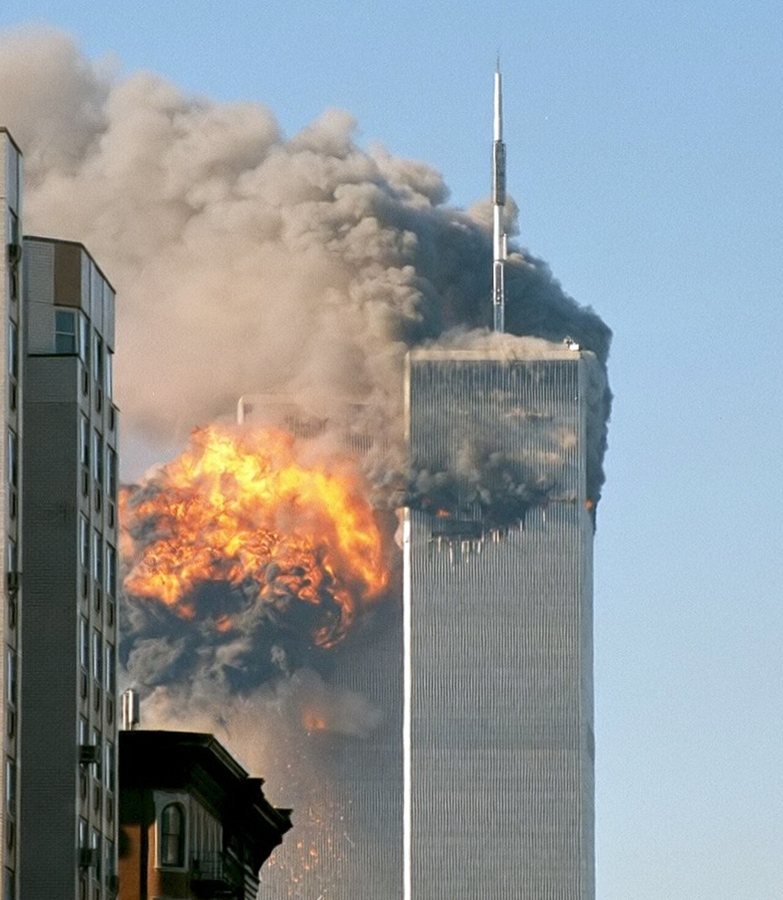
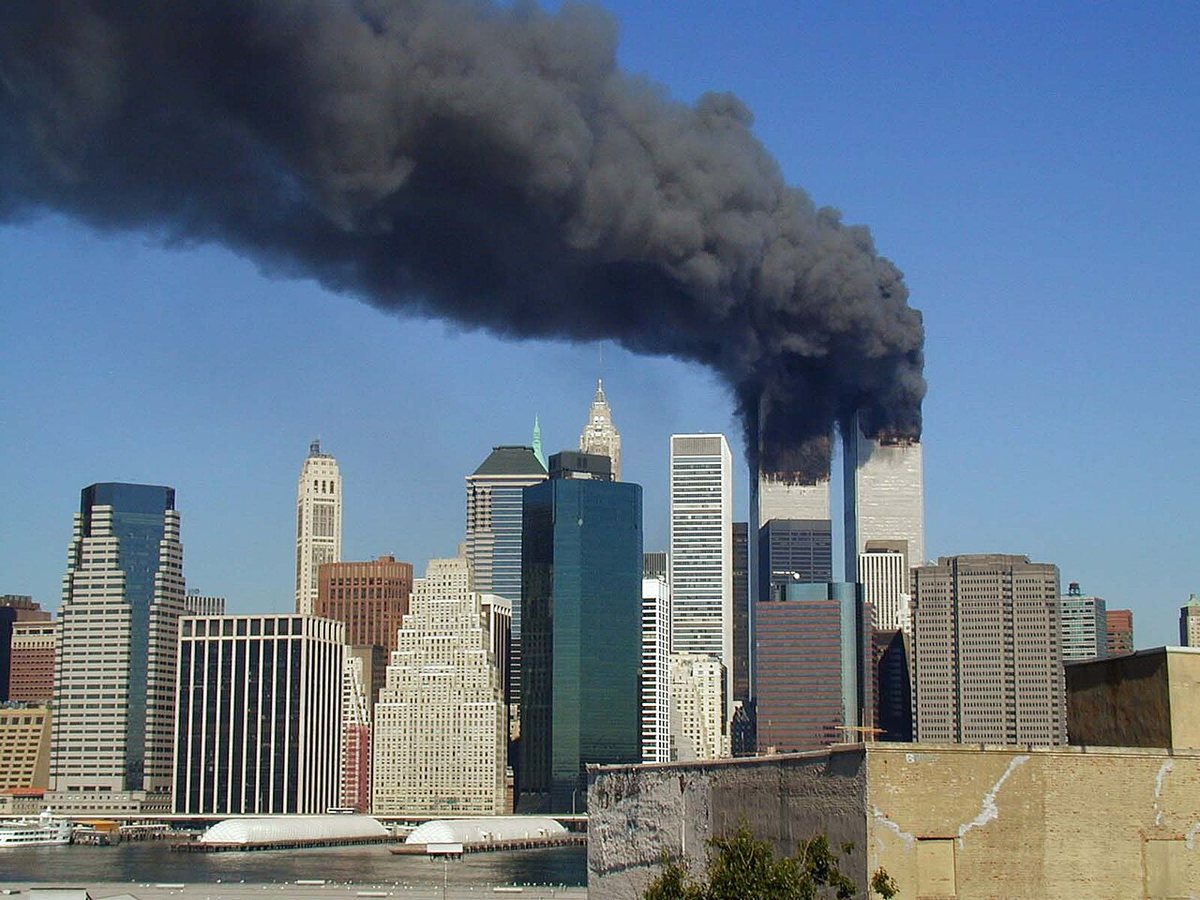
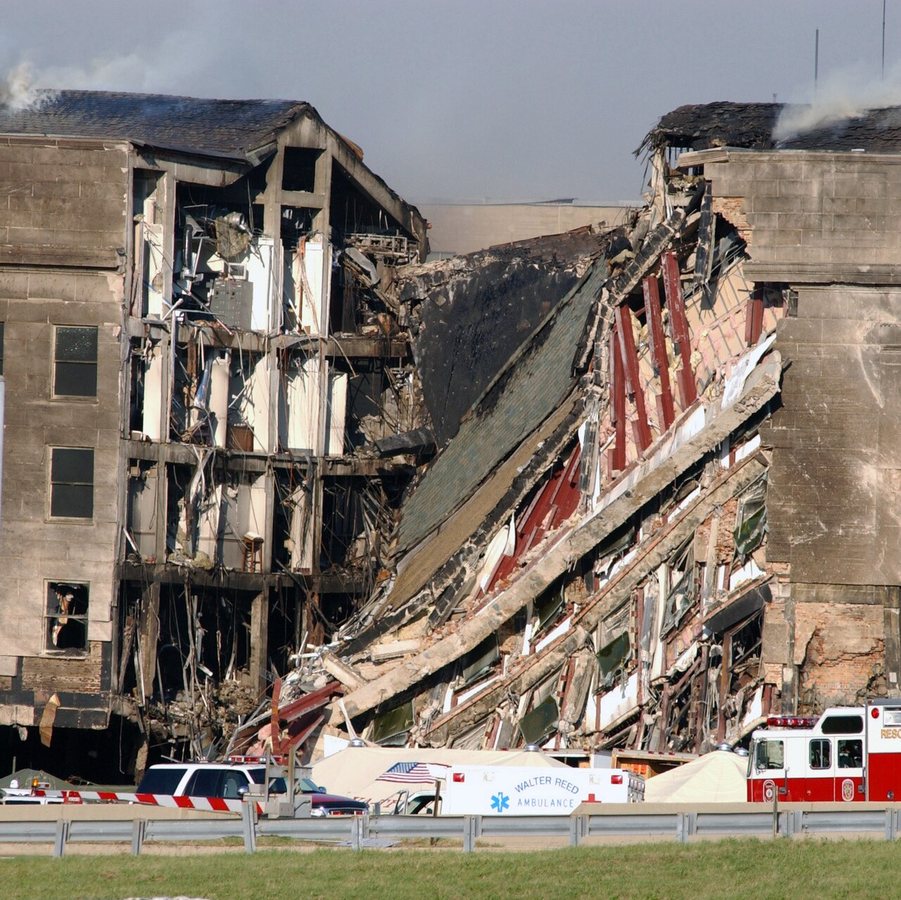
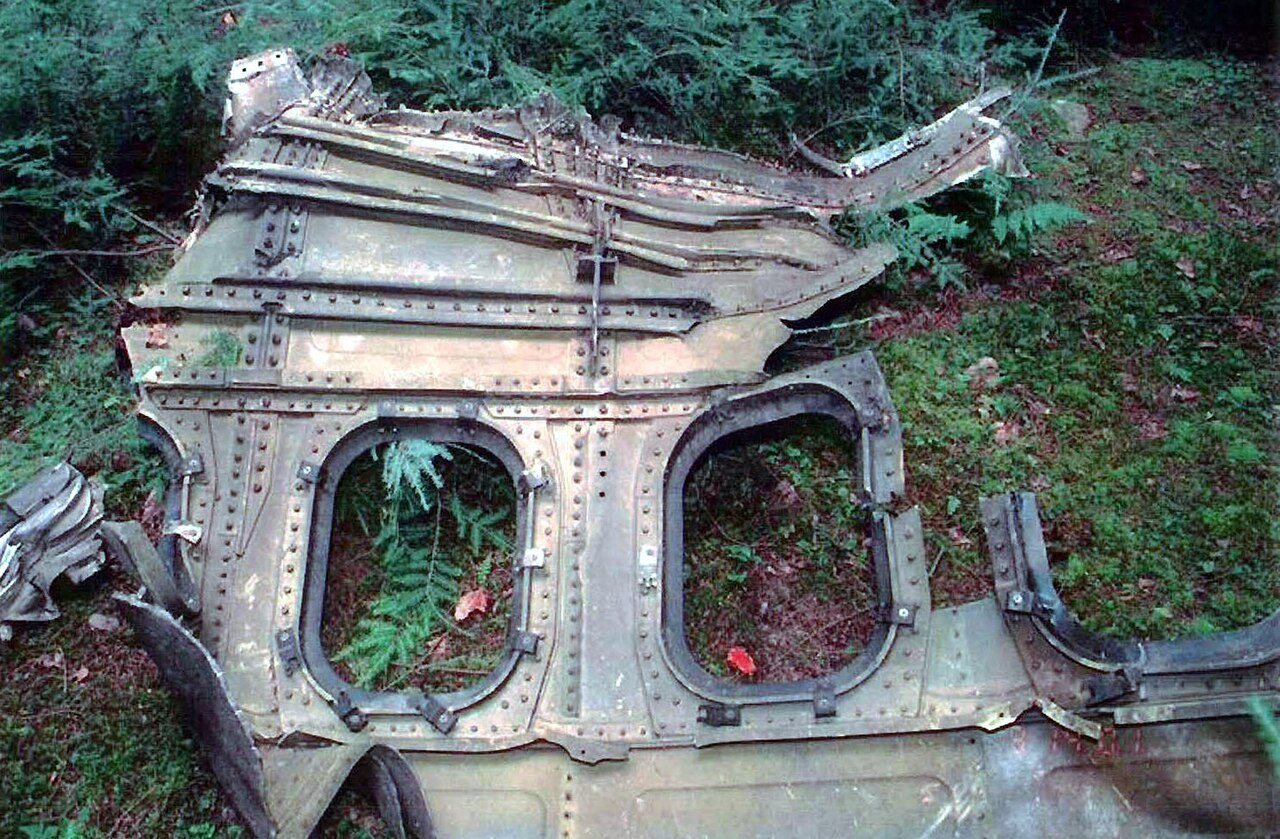
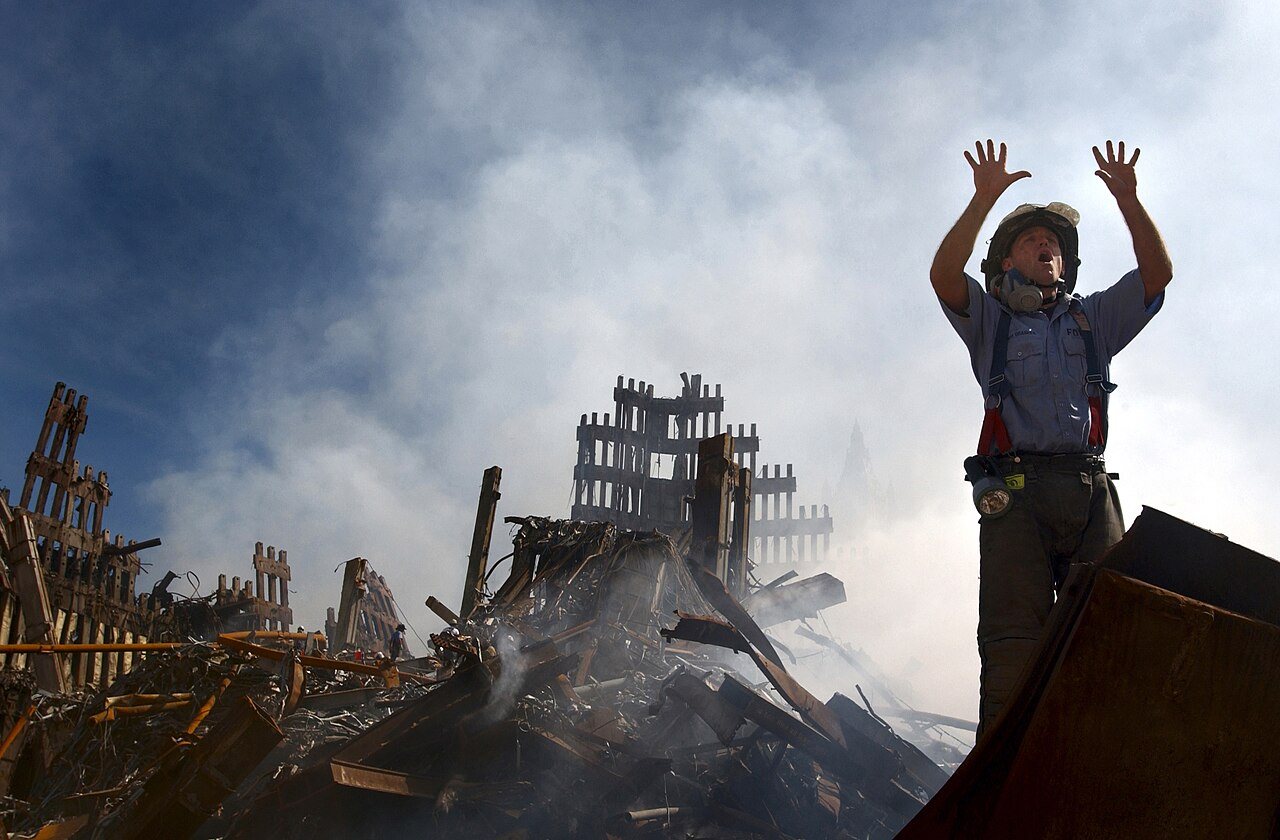
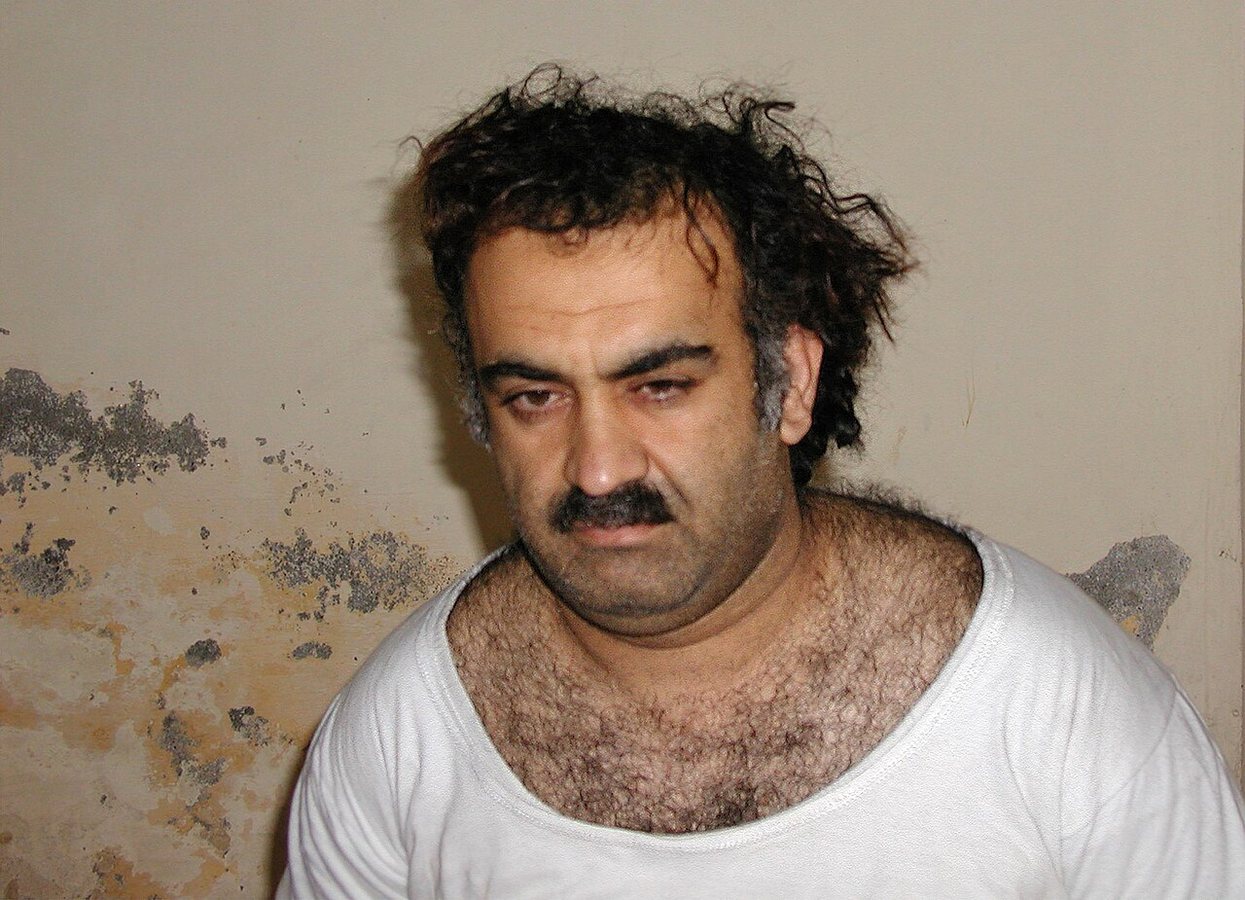
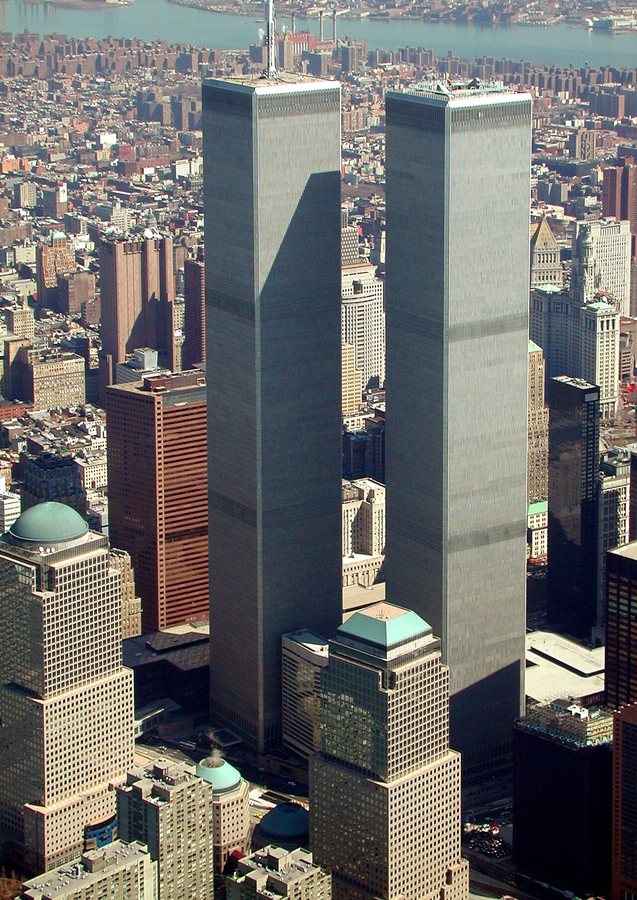
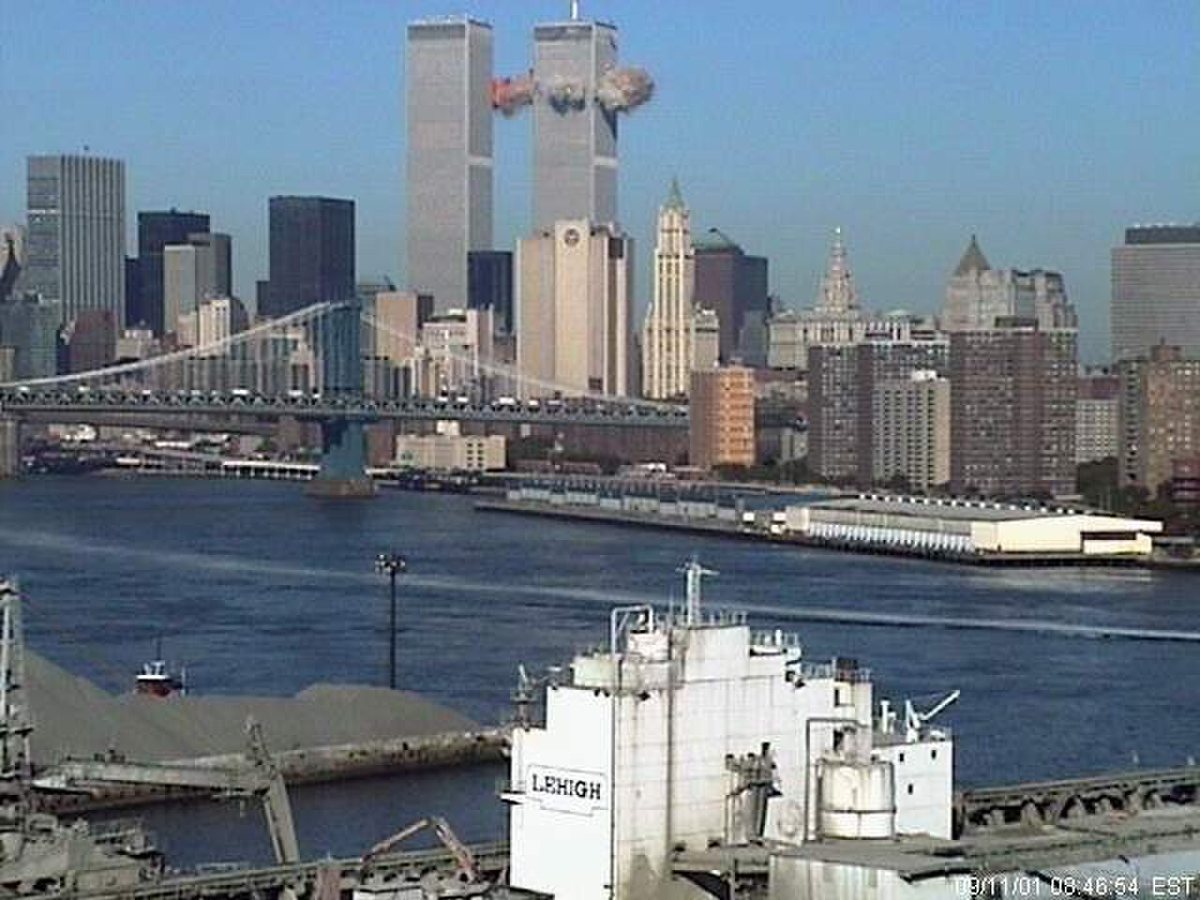
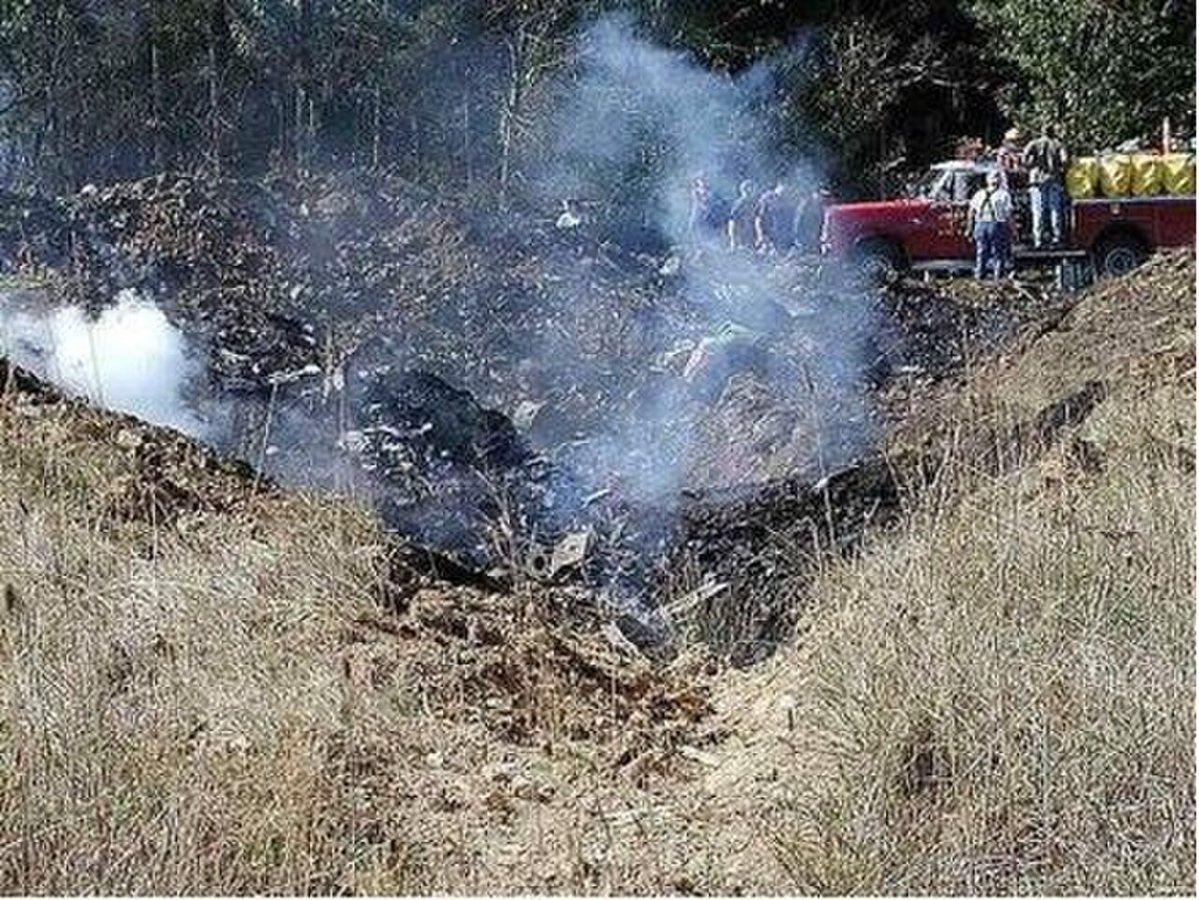
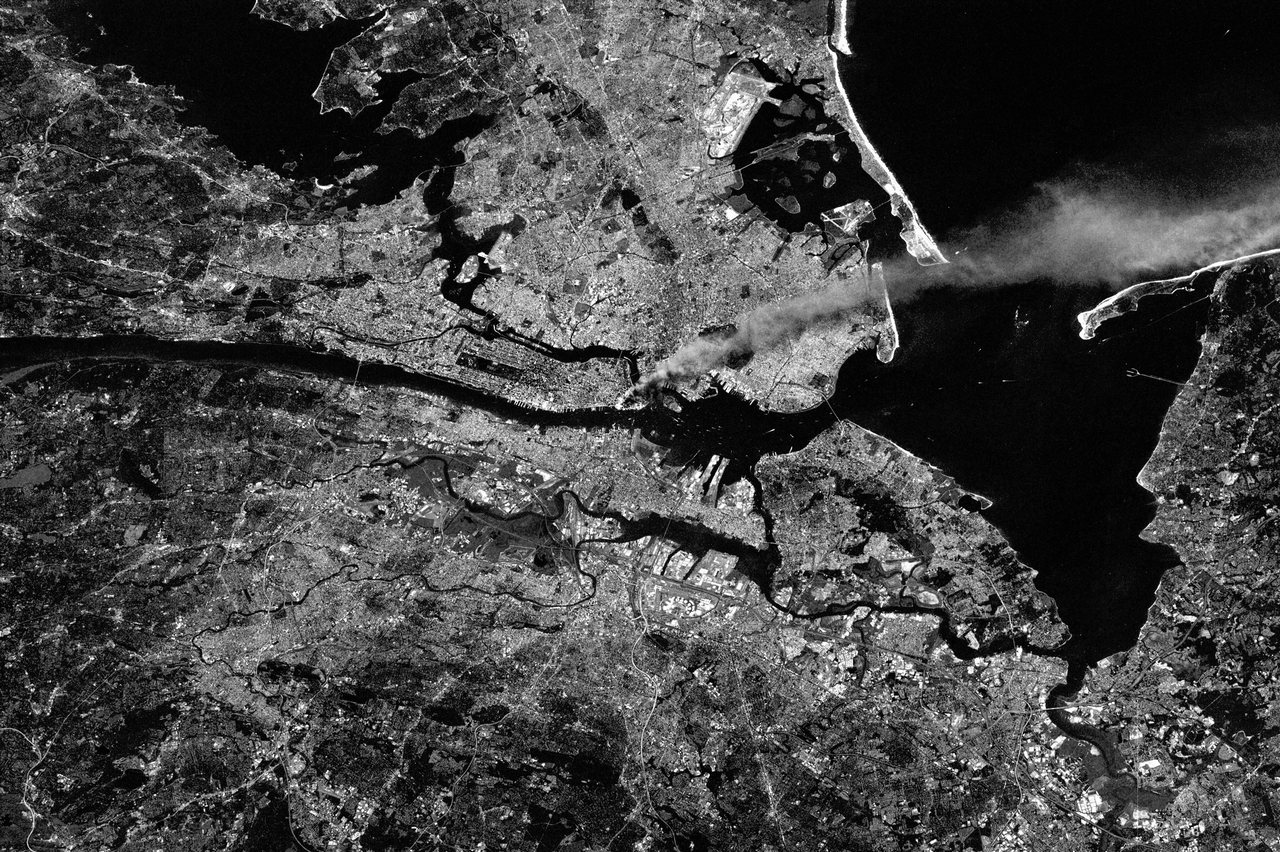
The September 11 attacks, colloquially known as 9/11, were a coordinated series of suicide attacks carried out by the Islamic terrorist organization al-Qaeda against the United States in 2001. Nineteen hijackers seized four commercial passenger airliners, two of which were flown into the Twin Towers of the World Trade Center in New York City, while a third struck the Pentagon in Arlington County, Virginia. The fourth crashed in a field in Pennsylvania after passengers resisted the hijackers. The attacks killed 2,977 people and remain the deadliest terrorist attack in history.
Background and motives



Osama bin Laden, leader of al-Qaeda, issued a fatwa in 1996 declaring jihad against the United States and demanding the removal of American troops from Arabia. In a second fatwa in 1998, he cited American support of Israel and sanctions against Iraq among his grievances. Bin Laden later confirmed in a 2004 video that he had organized the attacks, after initially denying involvement. His group had been based in Afghanistan, which was then run by the Taliban.
Consequences and legacy
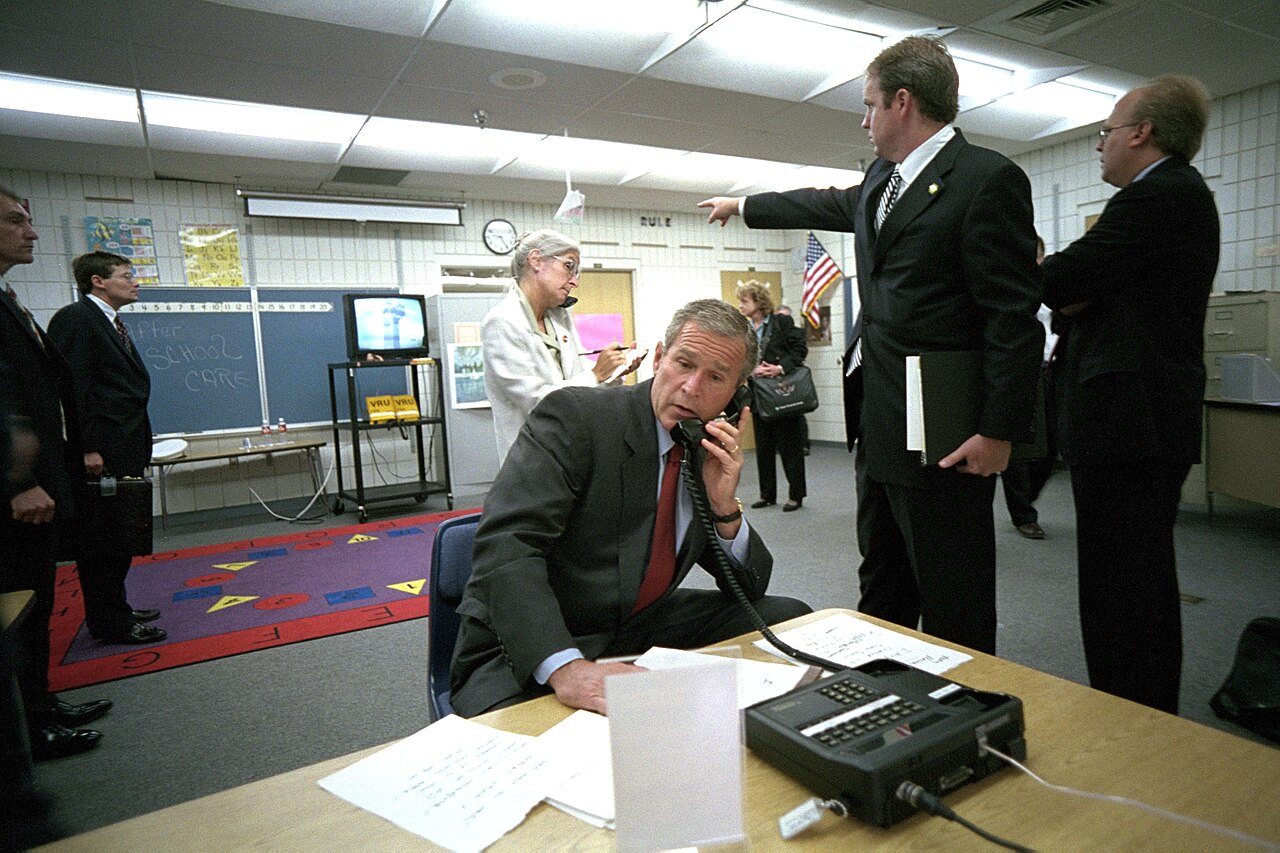
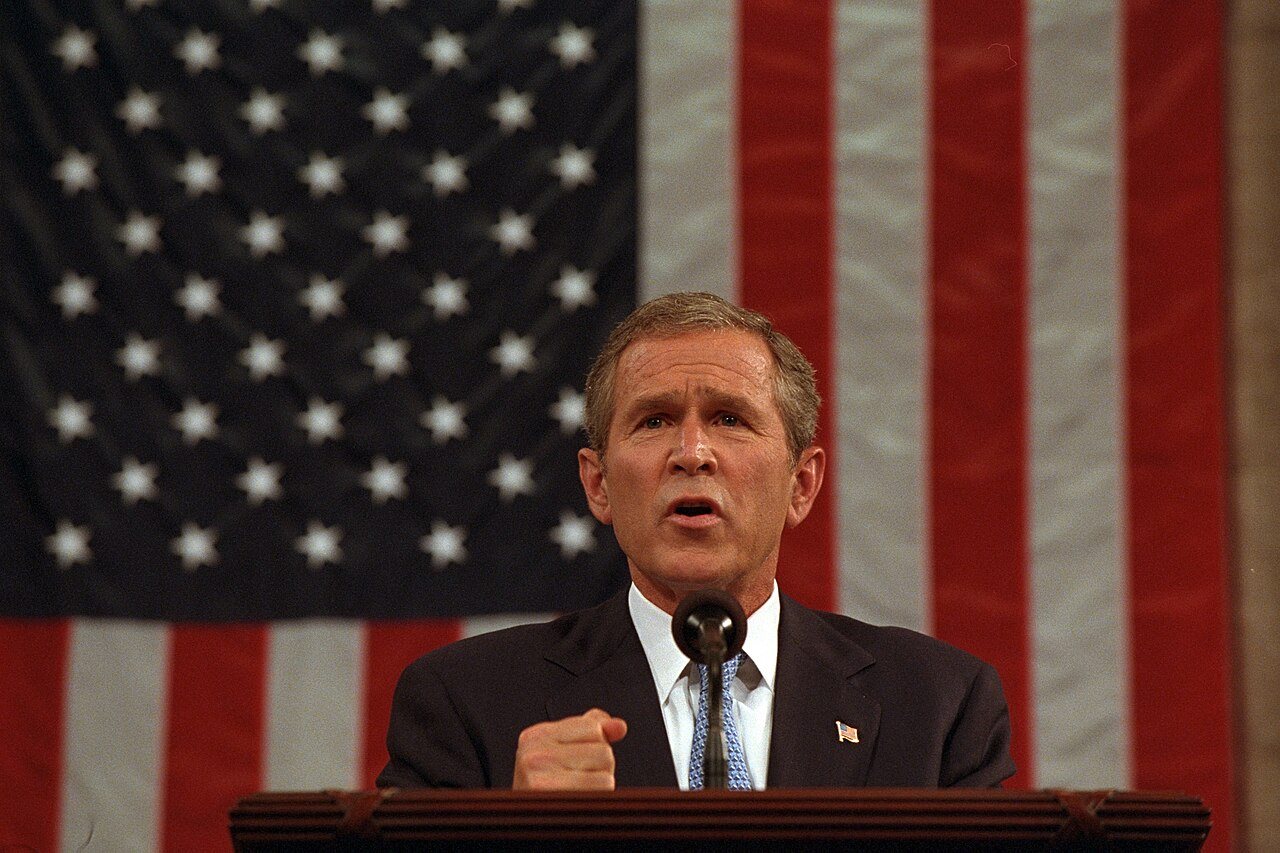
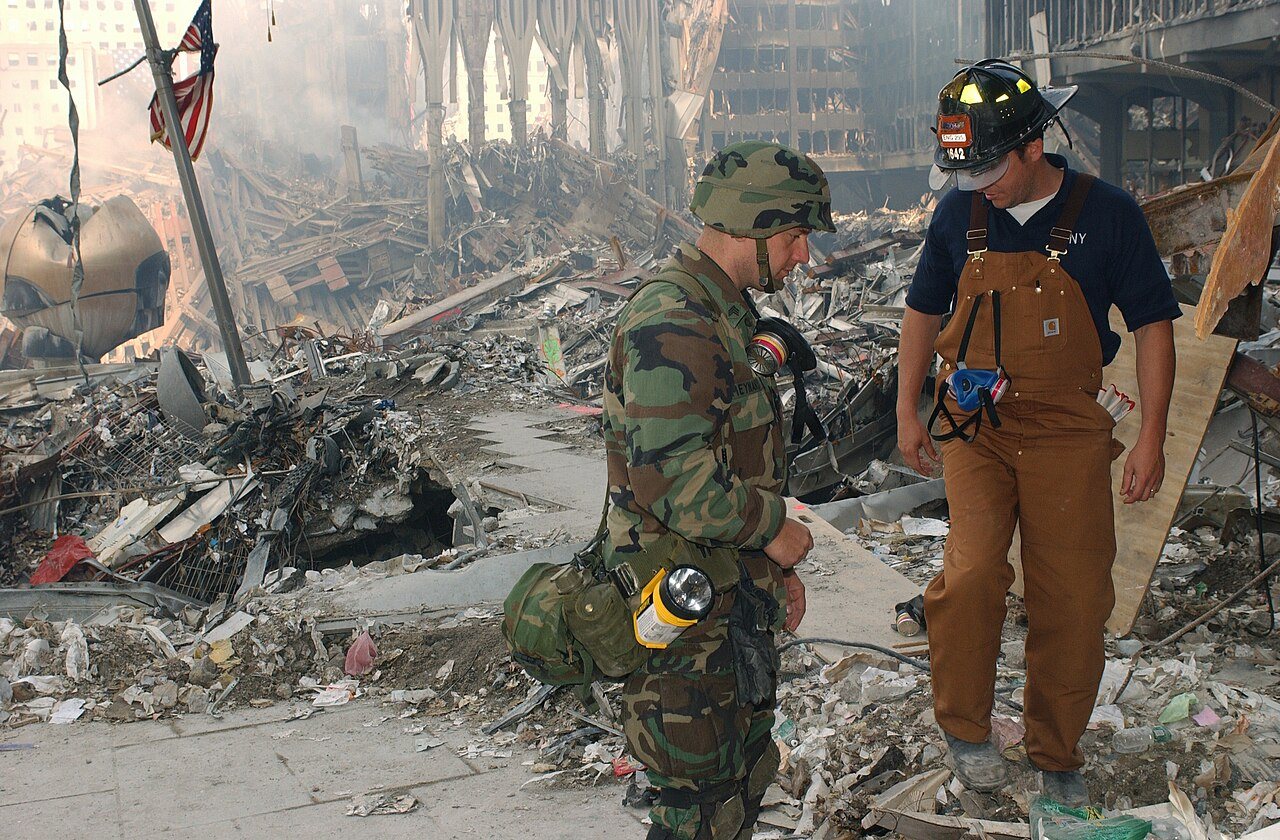
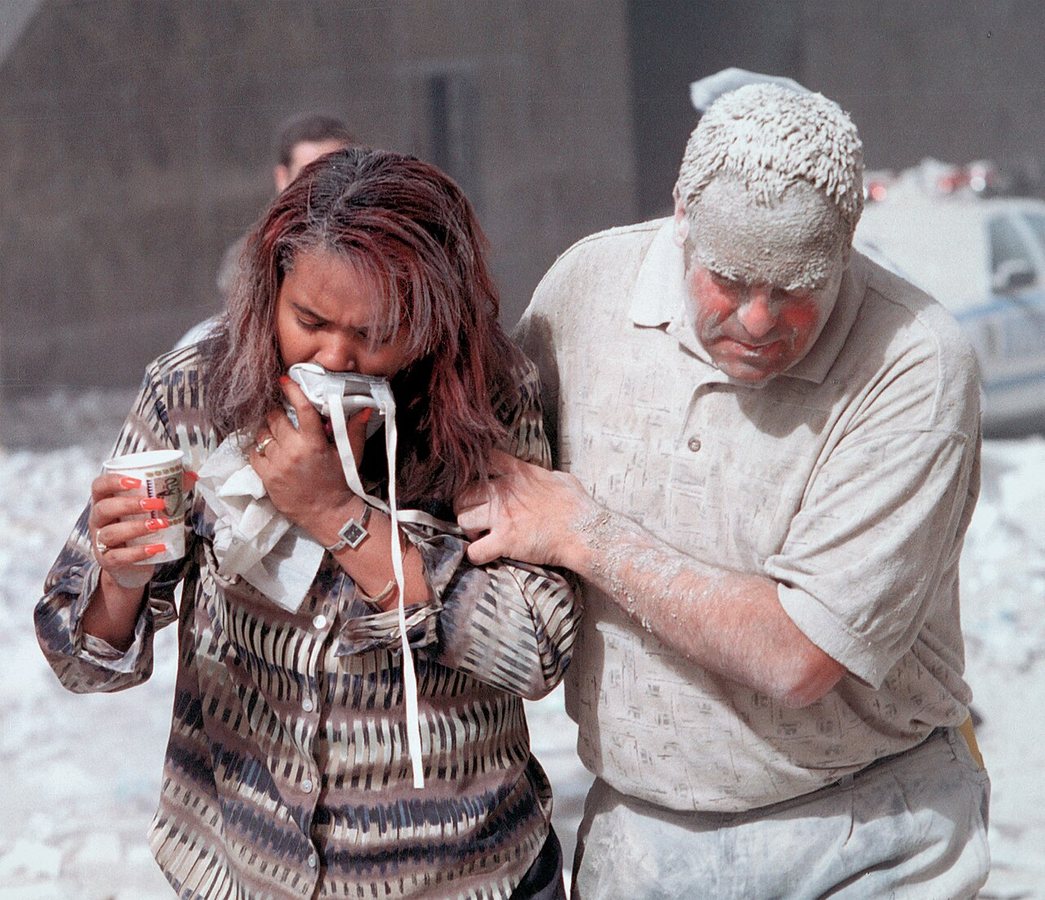
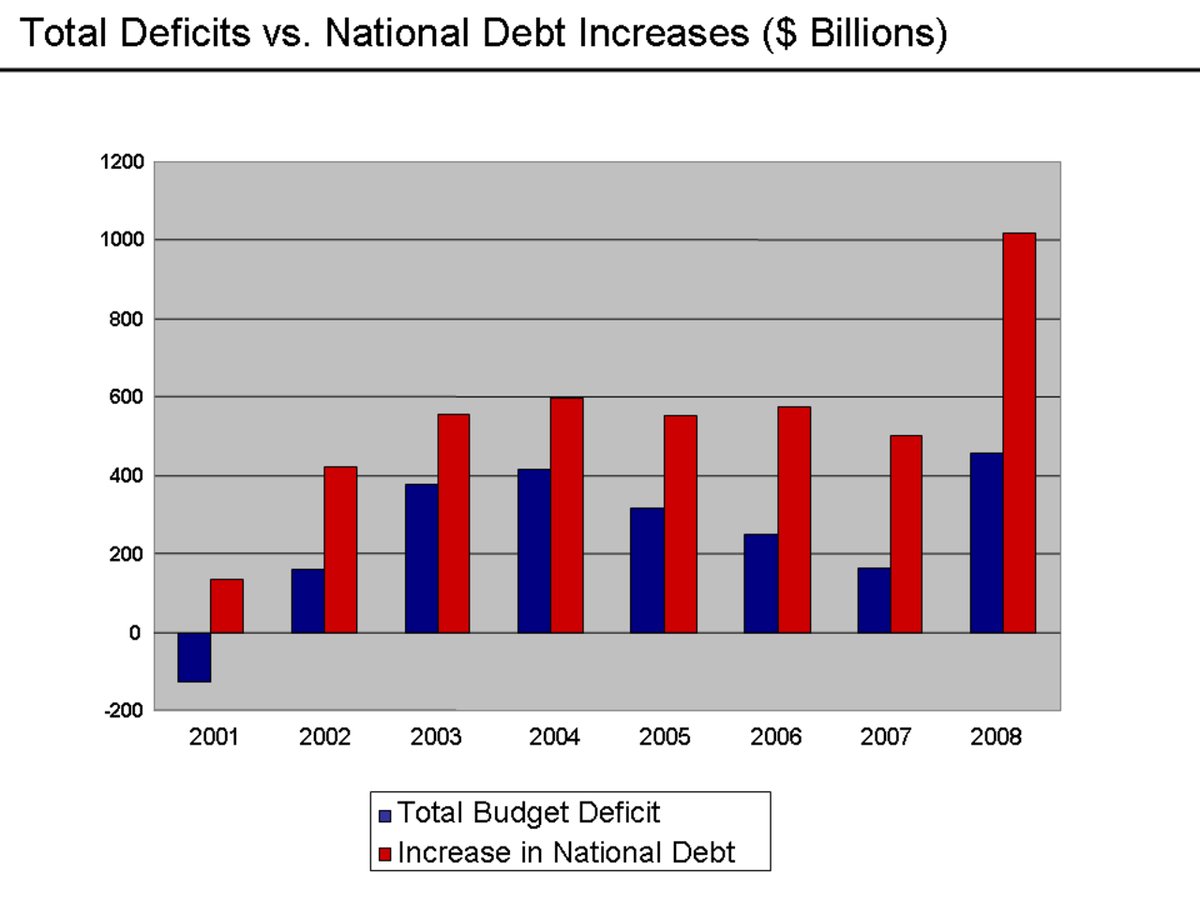

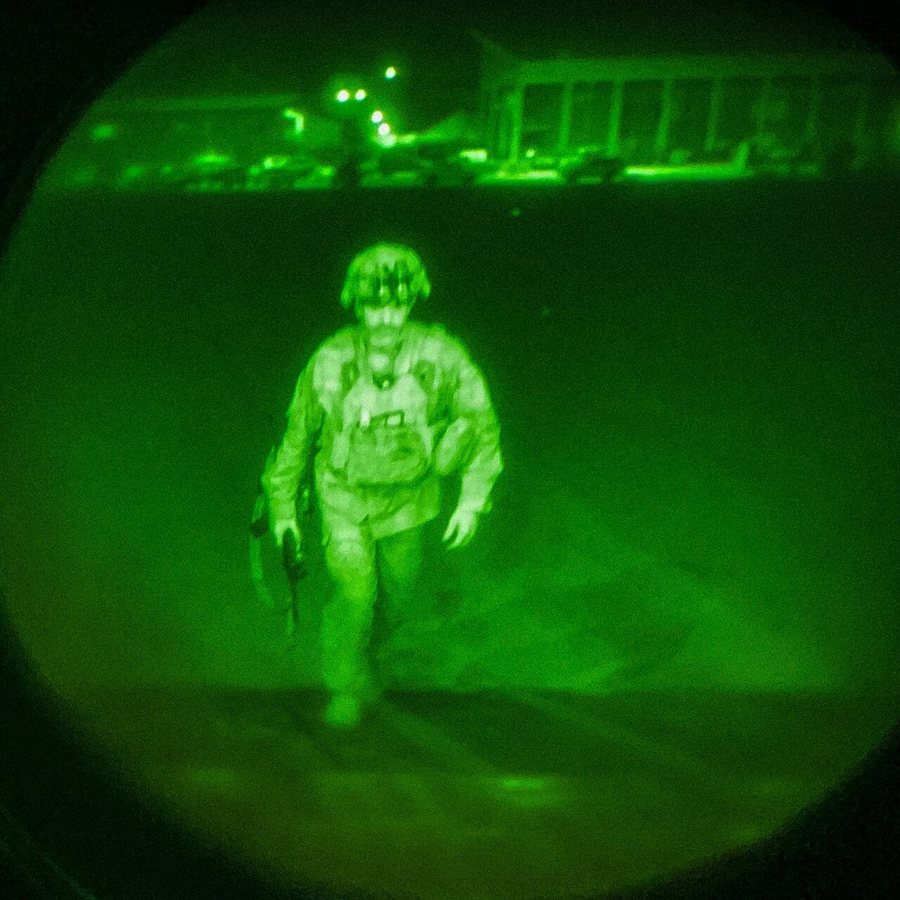



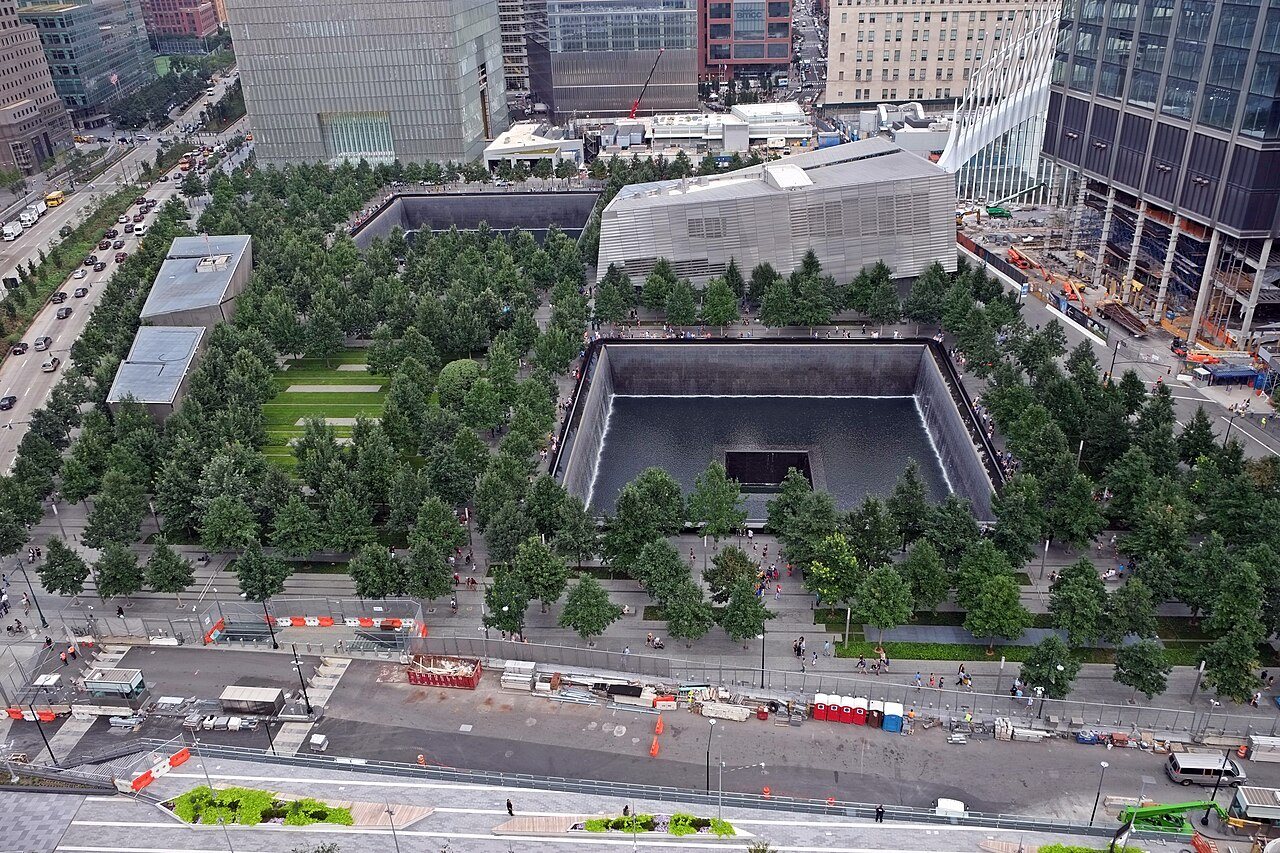
The United States invaded Afghanistan and launched its Global War on Terror in response, and NATO invoked Article 5 of its treaty for the only time in its history. Bin Laden was killed in a U.S. military raid in Abbottabad, Pakistan, in May 2011. The attacks caused at least US$10 billion in damage, seriously harmed the U.S. economy, and led many countries to tighten airport security and expand their law enforcement and intelligence powers. Memorials now stand at the New York and Pentagon sites and at the Pennsylvania crash site.


