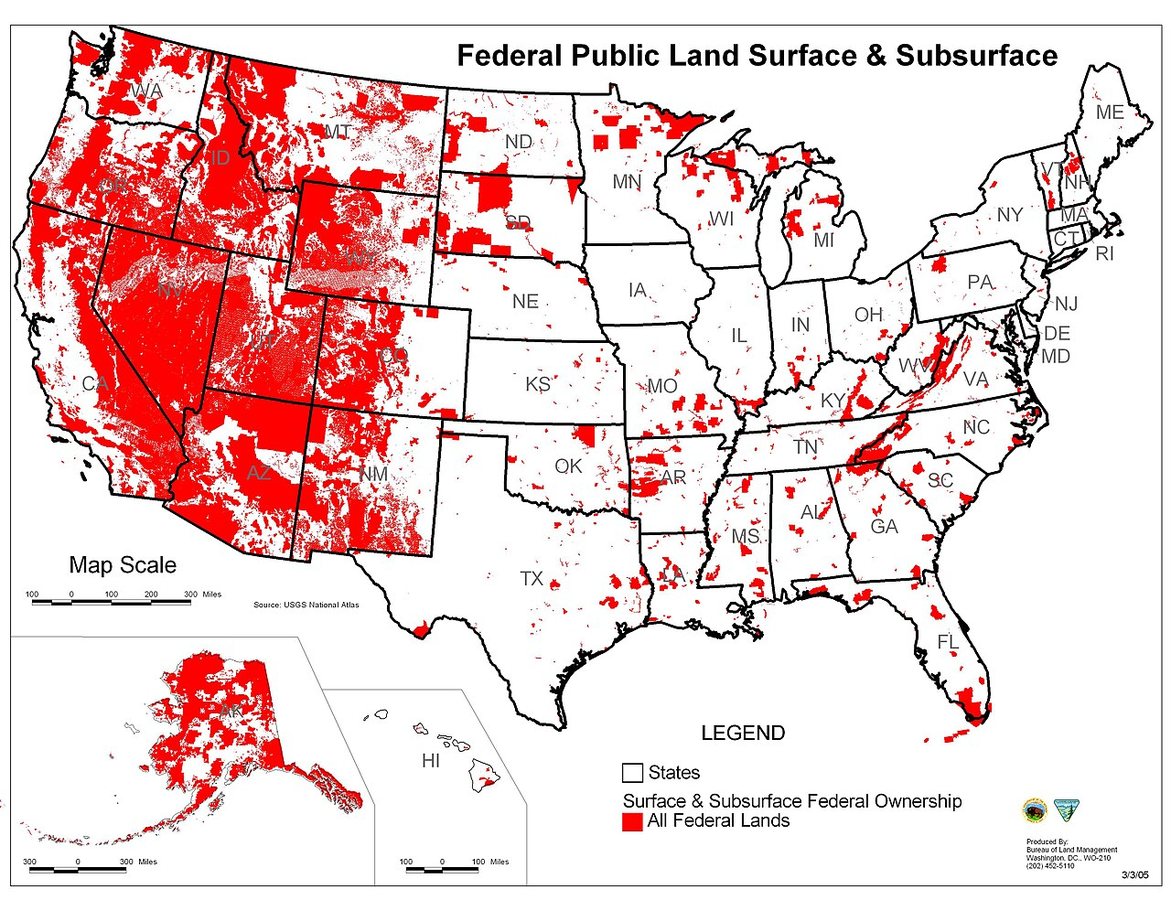
A U.S. state is one of the 50 constituent political entities bound together in the United States. Each state governs a defined geographic territory and shares sovereignty with the federal government, so Americans are citizens of both the federal republic and the state where they live. Each state has its own constitution, organizes its government in branches, and holds powers not delegated to the federal government, including the right to represent its citizens in Congress and to choose electors for the presidential election.
Origins and Growth

The original 13 states emerged in July 1776 during the American Revolutionary War, as successors to the Thirteen Colonies. Each state drafted its own constitution, several of which were among the earliest written constitutions in the world. The number of states has since grown from 13 to 50, and each new state has been admitted on an equal footing with the existing ones. The Constitution gives Congress the power to admit new states, and the Supreme Court has held that states cannot unilaterally secede from the Union.
Powers and Debate
States have historically been responsible for matters such as local law enforcement, public education, public health, and local transportation, although federal funding and regulation now play a large role in these areas as well. Over time the federal government has taken on a larger role than it once did. Debate over states' rights continues, concerning the extent of state powers and sovereignty in relation to the federal government and the rights of individuals.


