Polish People's Republic was the Polish state that existed from 1947 to 1989 as the predecessor of the modern Third Polish Republic. Established as a unitary communist state after the Red Army took over Polish territory from German occupation, it was governed by the Polish United Workers' Party in a one-party system. Near the end of its existence it had about 37.9 million inhabitants, making it the second most populous communist country in Europe, and it was where the Warsaw Pact was founded.
Establishment and Rule


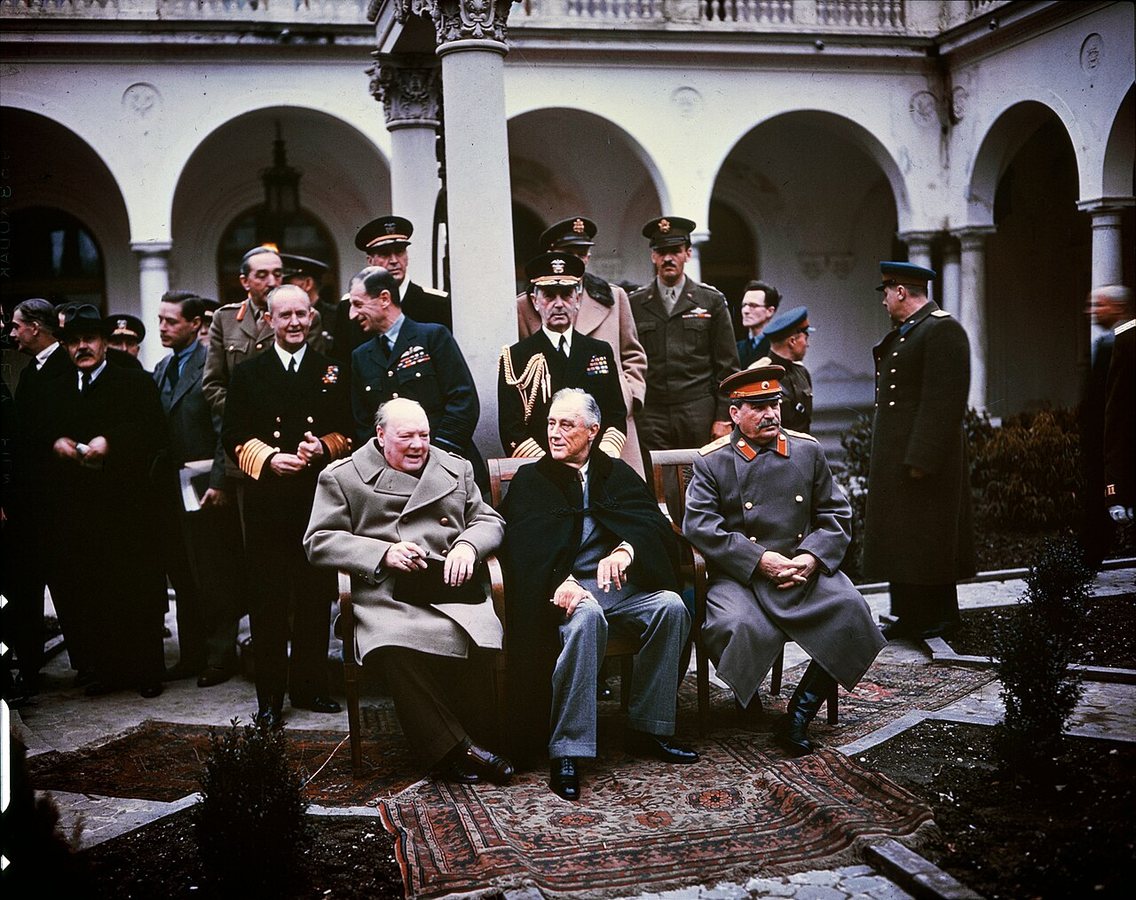
The state emerged after Soviet-backed communists gained control of administration in 1945, with Stalin presenting Western leaders with a fait accompli at the Yalta Conference. Communist power was consolidated through the 1946 referendum and the 1947 parliamentary election, both marked by fraud. The country's borders shifted westward, with Poland gaining German-populated territories and losing land in the east. Compared with other socialist states, the regime pursued somewhat more liberal policies, partly because of Poland's strategic position in the Cold War and persistent internal opposition.
Repression and Opposition


The secret police and the official police, along with special riot units, carried out mass surveillance and violently suppressed protests. The political scientist R. J. Rummel estimated that about 22,000 people were killed or disappeared between 1947 and 1989. Despite economic hardships, industrialisation, urbanisation and healthcare improvements continued, and the population nearly doubled over these decades. Popular unrest, including the Solidarity movement, eventually contributed to the revolutions of 1989 and the dissolution of the state.