factograf
EN
Sign in

eighth Emperor of Russia, r. 1762–1796 (lived 1729-1796)

Catherine the Great

Catherine the Great

Key facts

date of birthMay 2, 1729
date of deathNovember 6, 1796
occupationpolitician, monarch, art collector
place of birthSzczecin
place of deathSaint Petersburg
spousePeter III of Russia
position heldEmperor of all the Russias
award receivedKnight of the Order of St. Alexander Nevsky
notable workHermitage Museum
described by sourceLexikon deutschsprachiger Epik und Dramatik von Autorinnen 1730–1900

Catherine II, known as Catherine the Great, was Empress of Russia from 1762 until her death in 1796. Born a German princess, she became a royal consort through marriage to Emperor Peter III, whom she overthrew in a coup. Her reign of over 34 years was marked by the flourishing of the Russian Enlightenment, the founding of many new cities, universities and theatres, and the expansion of the Russian Empire, which came to be recognised as a great power of Europe.

Early life and marriage
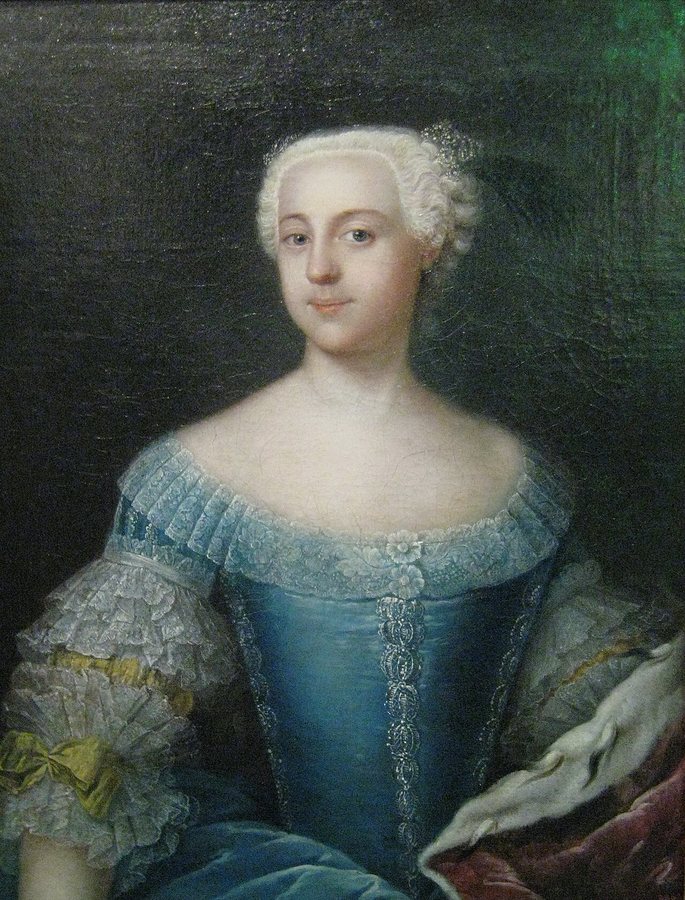
Catherine in her childhood, by Anna Rosina de Gasc, 1742
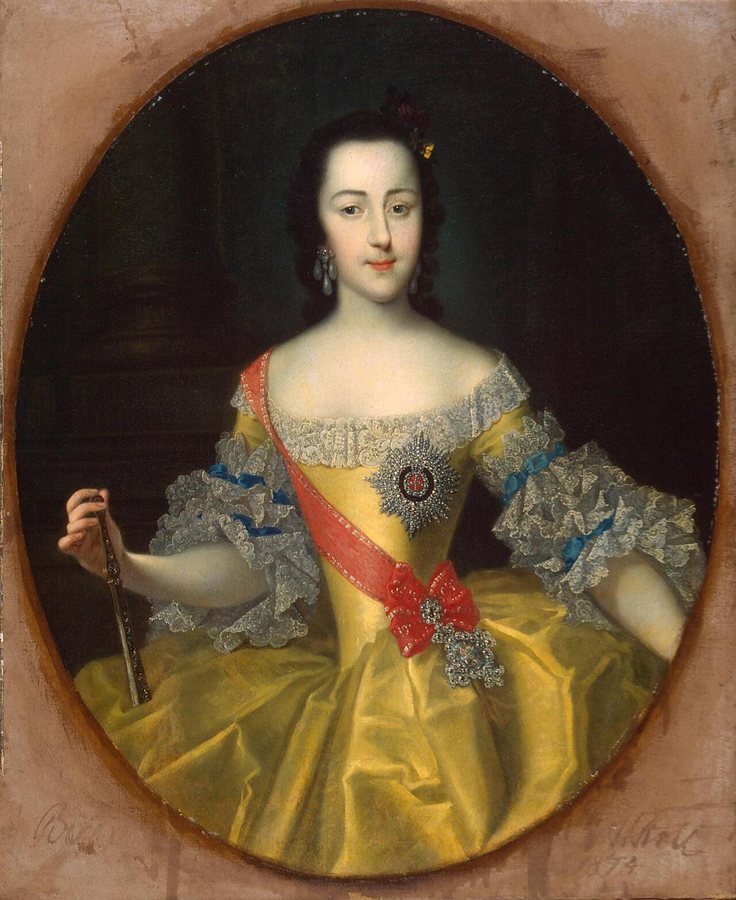
Catherine as Grand Duchess around the time of her marriage (portrait by Georg Christoph Grooth, 1745)
An equestrian portrait of Grand Duchess Ekaterina Alekseyevna from before 1749
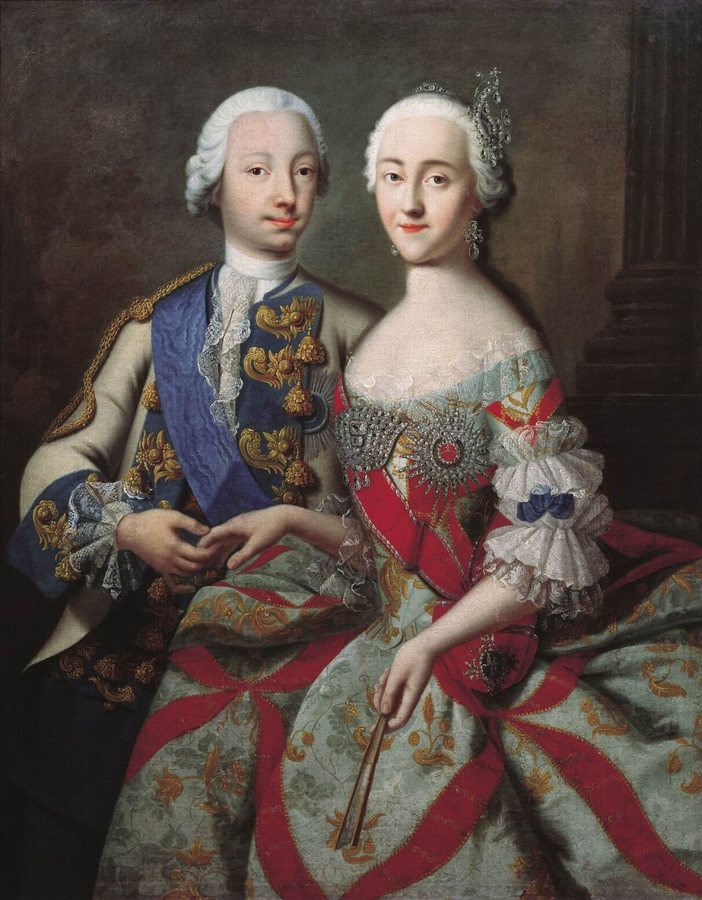
Emperor Peter III and his wife, the future Catherine the Great. He reigned only six months, and died on 17 July 1762.
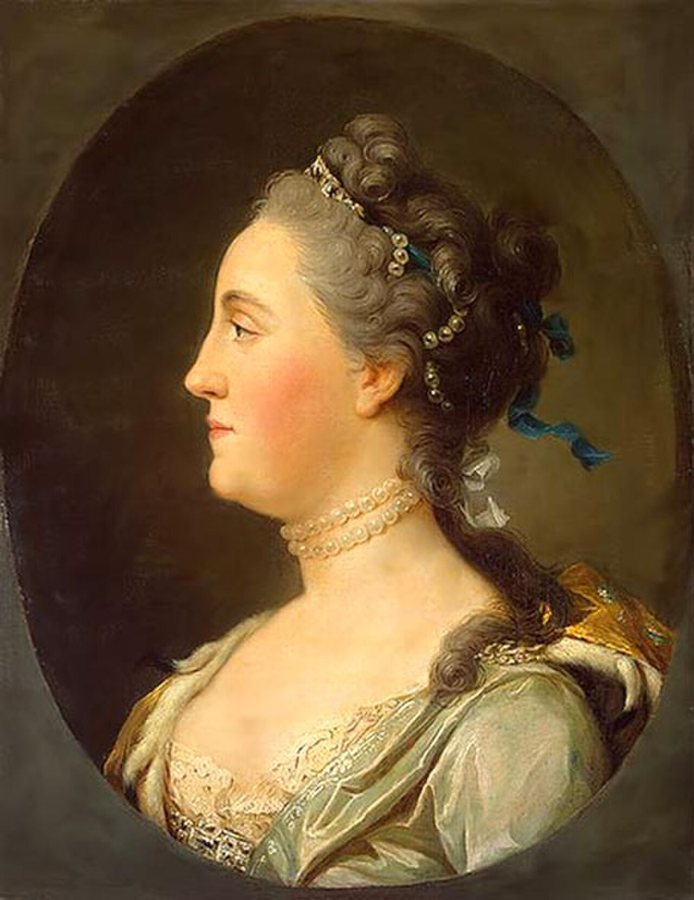
Profile portrait of Grand Duchess Catherine Alexeievna by Vigilius Eriksen, c. 1762
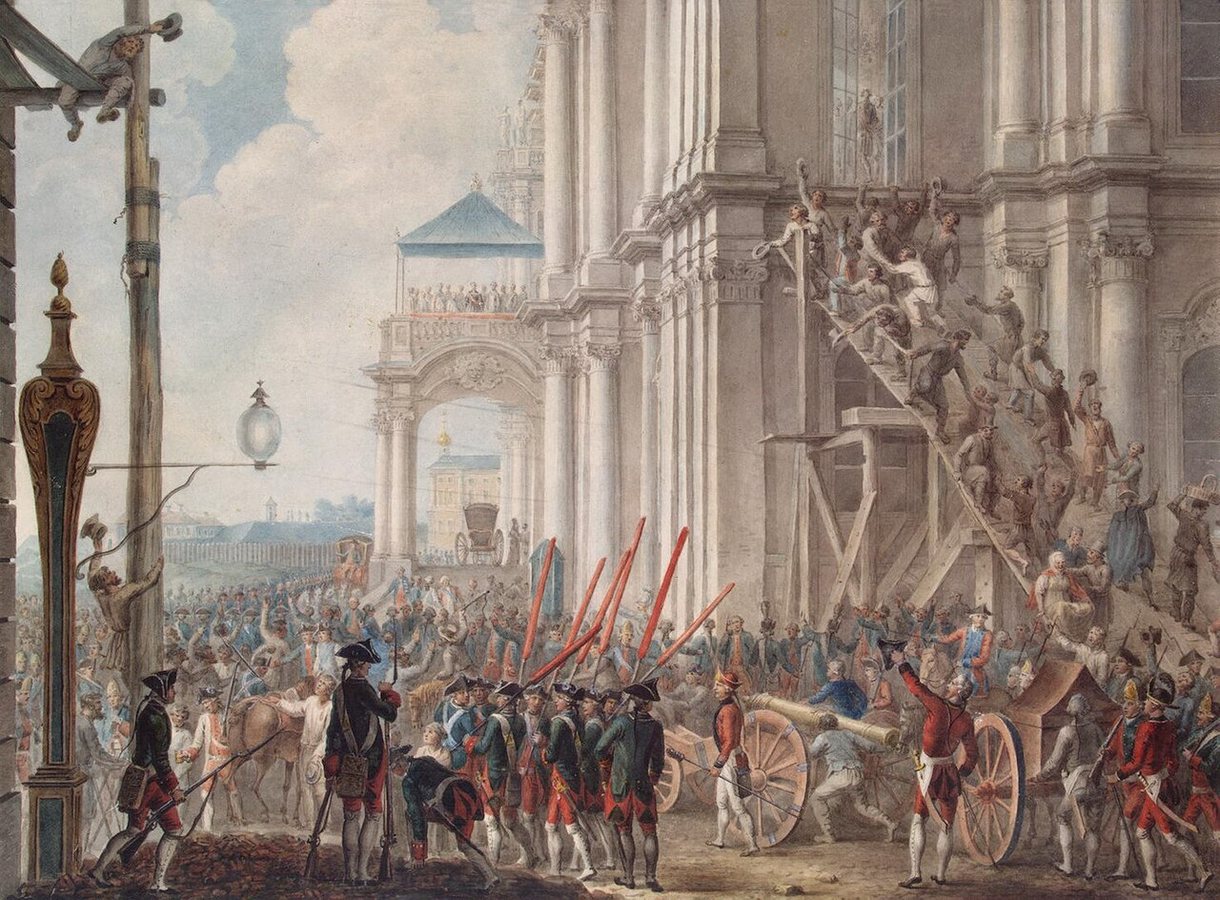
Catherine II on a balcony of the Winter Palace on 9 July (O.S. 28 June) 1762, the day of the coup
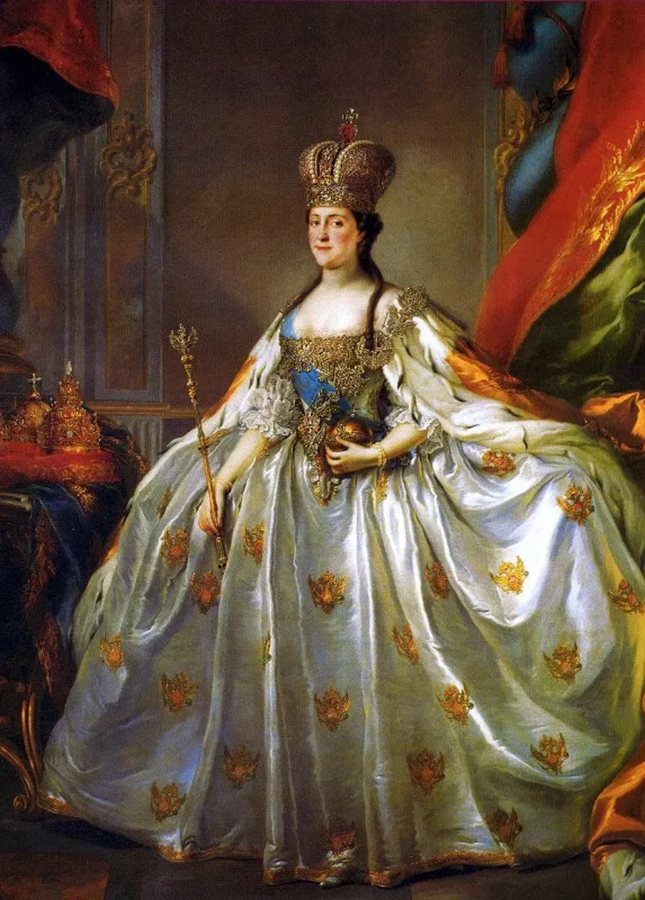
Coronation portrait by Stefano Torelli, 1763–1766
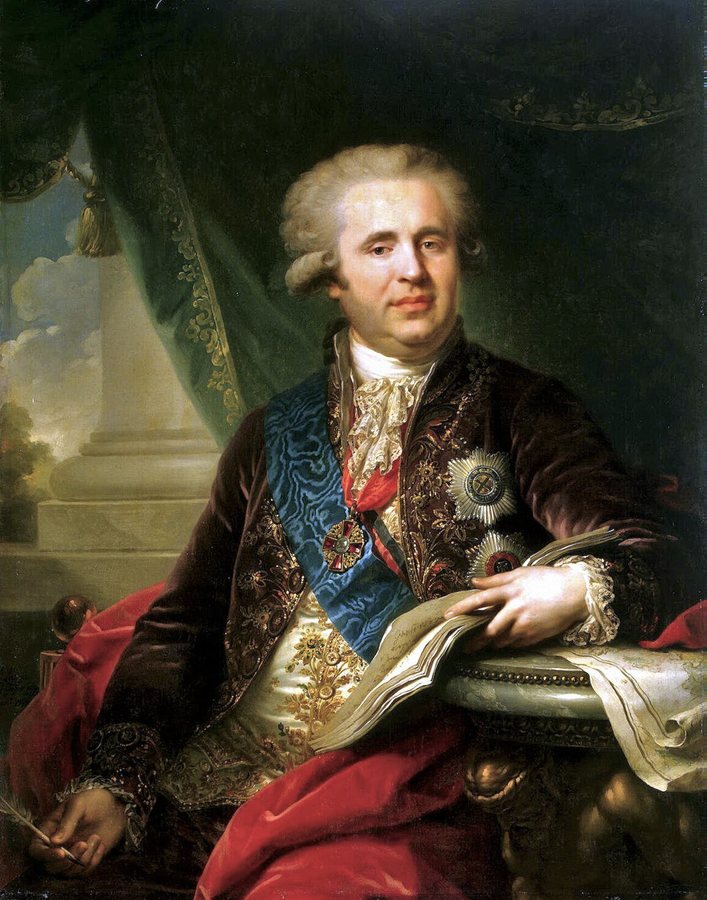
Alexander Bezborodko, the chief architect of Catherine's foreign policy after the death of Nikita Panin
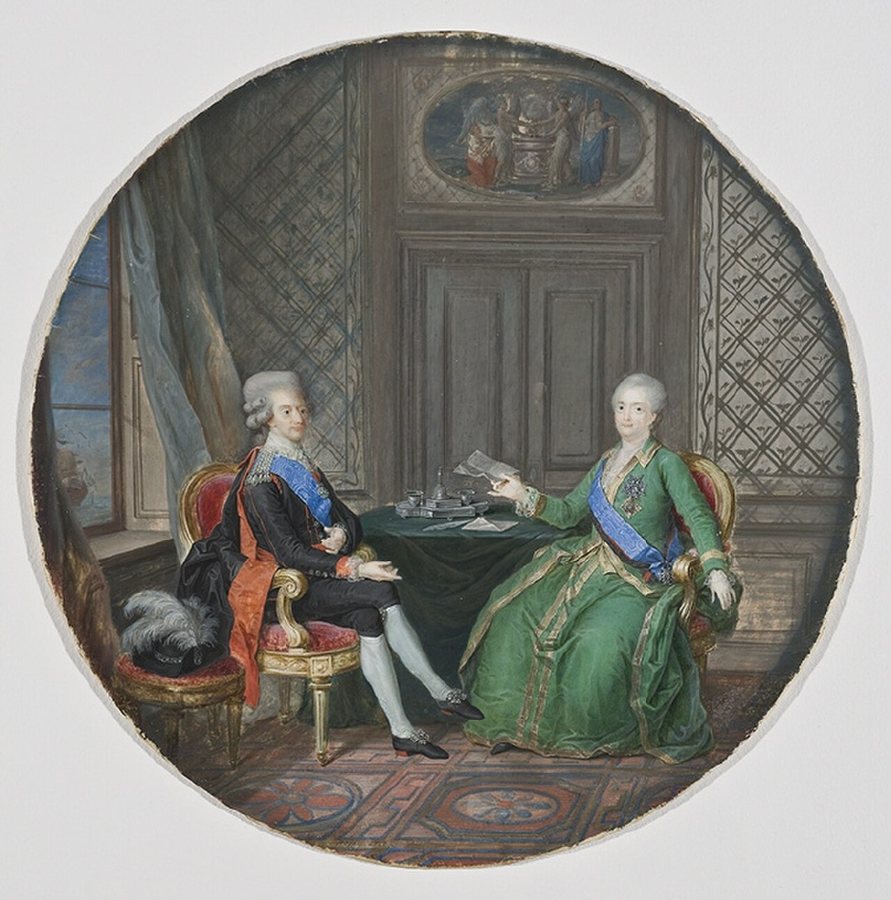
King Gustav III of Sweden and Empress Catherine II of Russia in Fredrikshamn in 1783
Equestrian portrait of Catherine in the Preobrazhensky Regiment's uniform, by Vigilius Eriksen
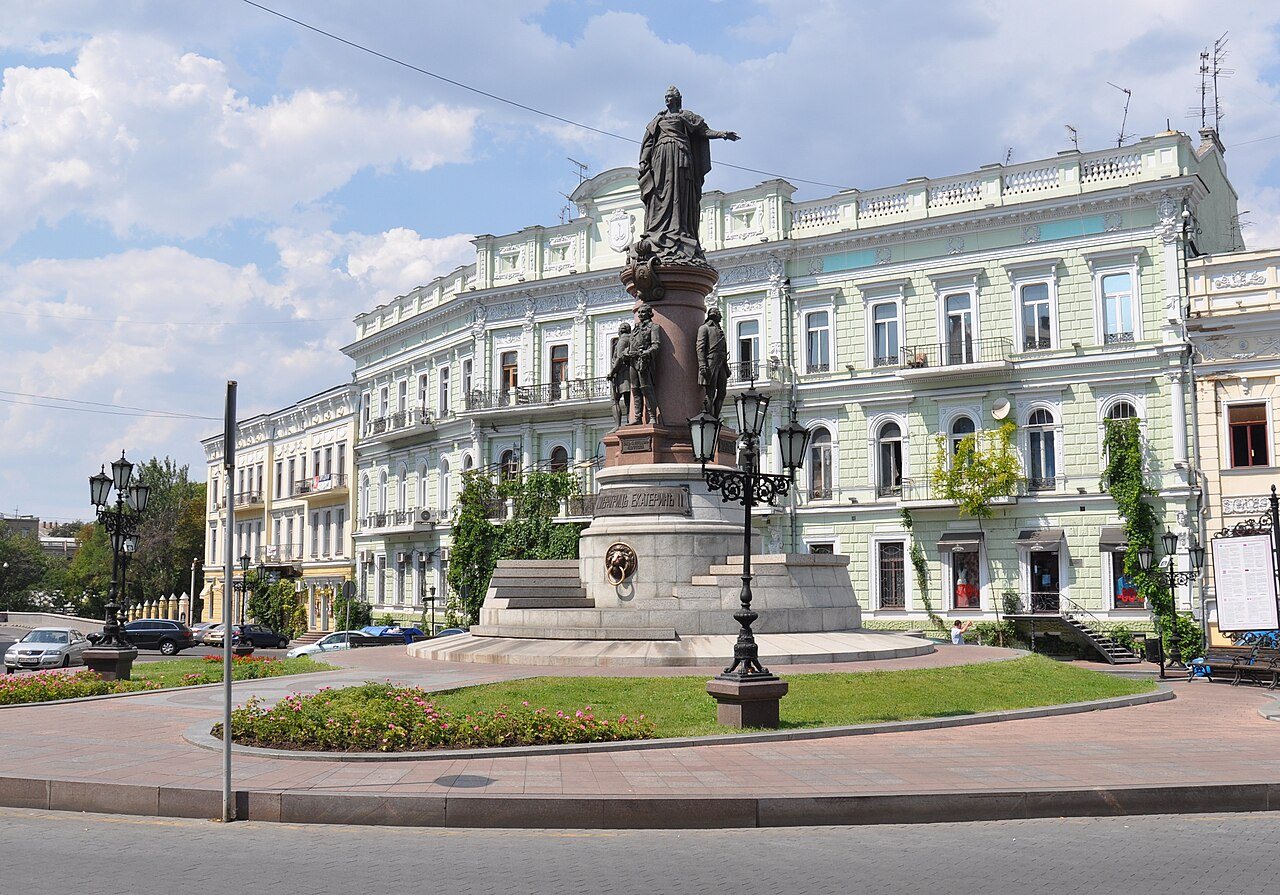
Monument to the founders of Odessa: Catherine and her companions José de Ribas, François Sainte de Wollant, Platon Zubov, and Grigory Potemkin
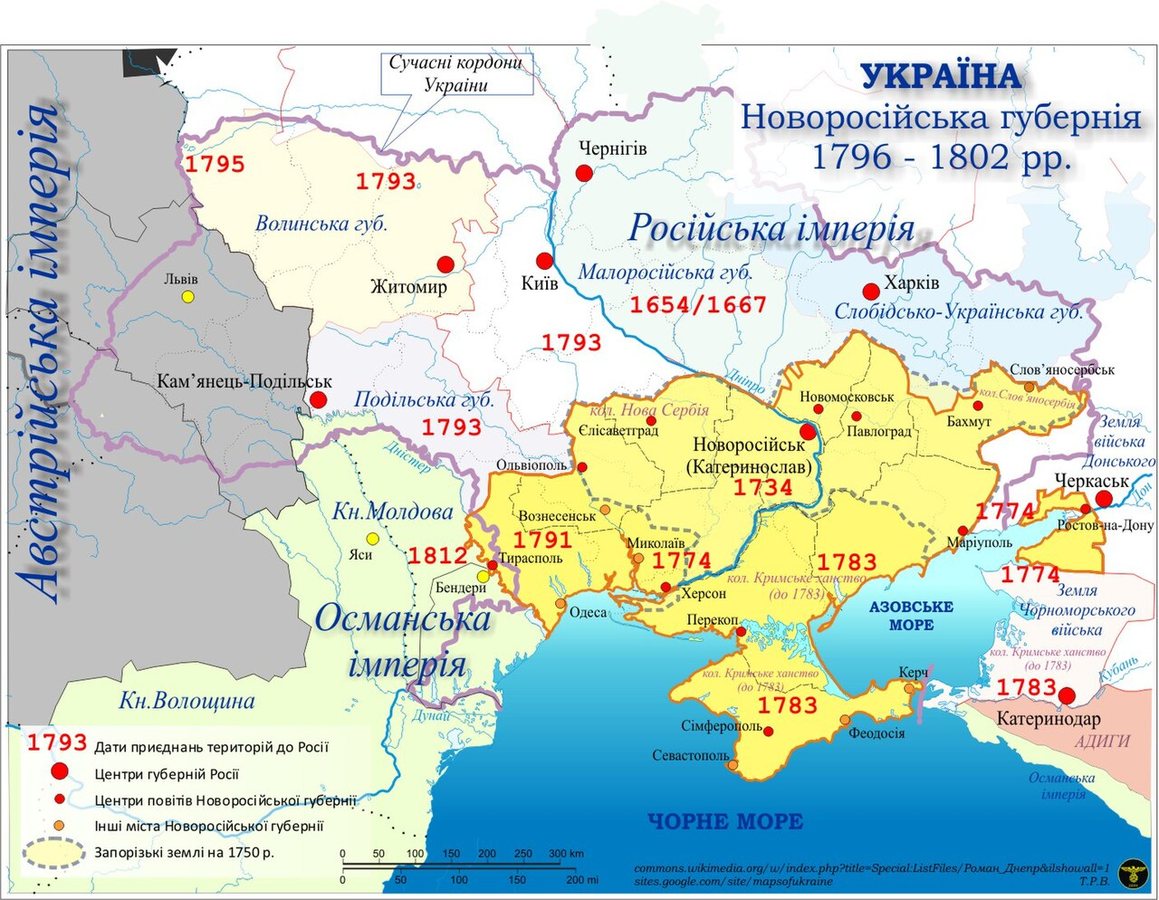
Catherine extended the borders of the Russian Empire southward to absorb the Crimean Khanate
12 images

Born Sophie Auguste Friederike von Anhalt-Zerbst in Stettin in the Kingdom of Prussia, she was raised in the standard manner of an 18th-century German princess, learning French, etiquette and Lutheran theology. Her family had limited wealth, so her prospects depended on her mother's better-connected relatives and on a political marriage. She married Peter, a grandson of Peter the Great, in 1745 at the age of 16, after Empress Elizabeth had taken a liking to her despite her mother's interference.

Reign and expansion
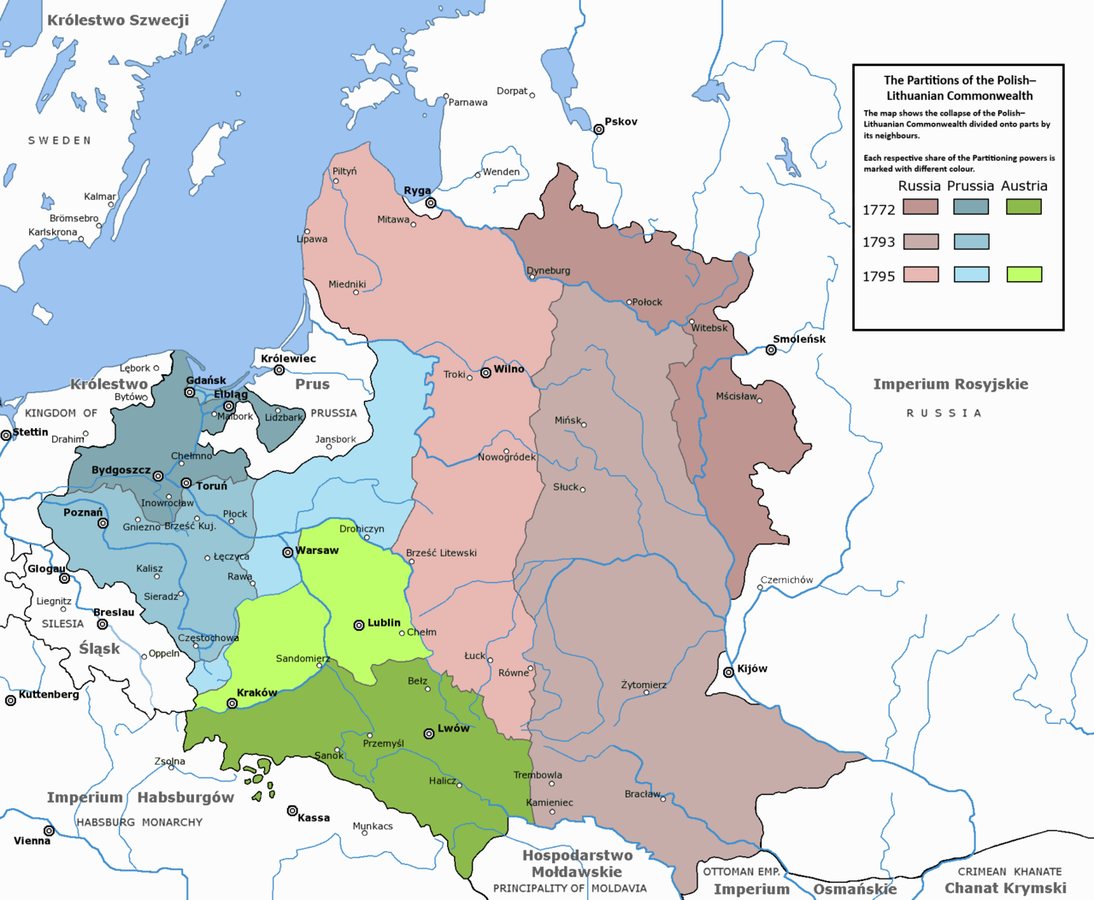
The Partitions of Poland carried out by Russia, Prussia, and Austria in 1772, 1793, and 1795
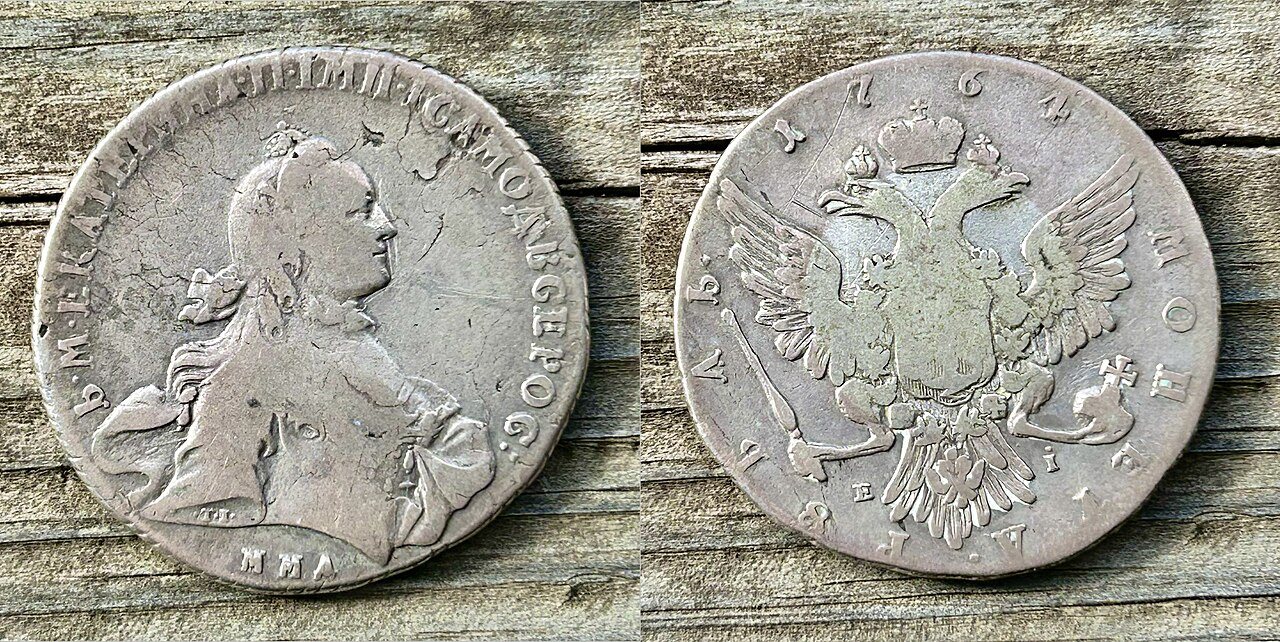
1764, Rouble Catherine II ММД - Krasny Mint
A 5-kopeck coin bearing the monogram of Catherine the Great and the Imperial coat of arms, dated 1791
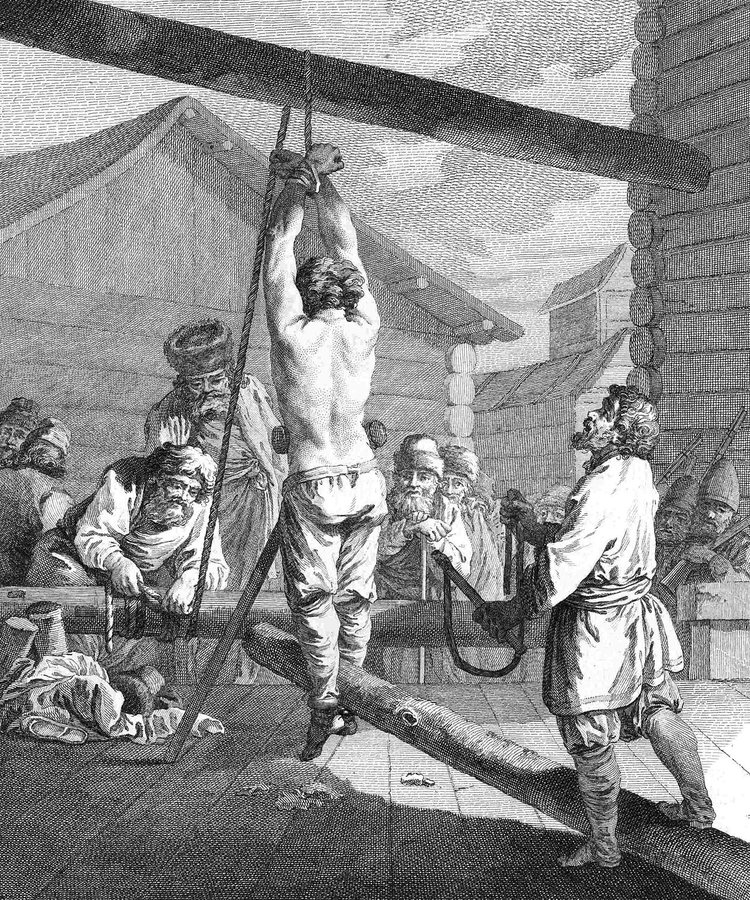
Punishment with a knout
Captured Russian officials and aristocrats being tried by Pugachev
A satire on Catherine's morals and on the Russo-Turkish war, from 1791
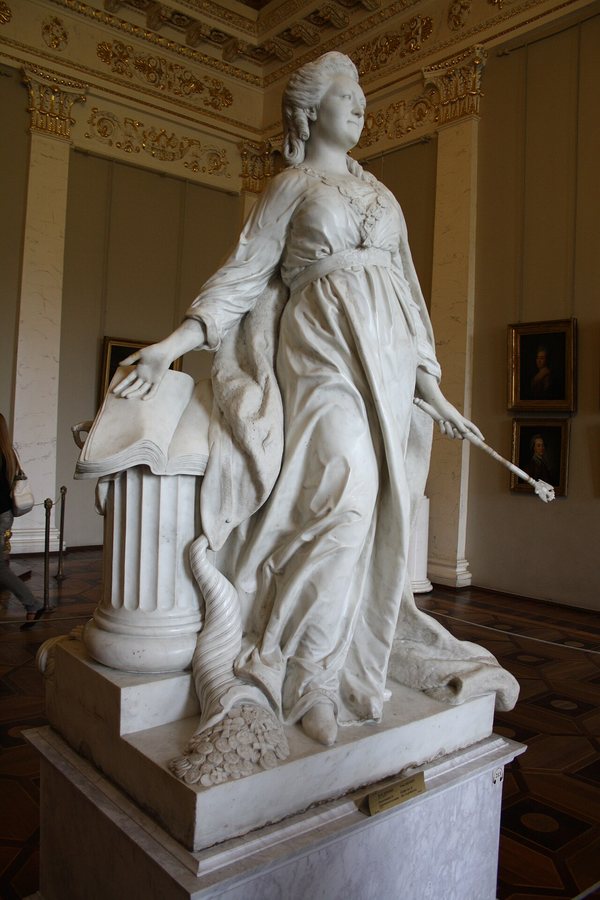
Marble statue of Catherine II in the guise of Minerva (1789–1790), by Fedot Shubin
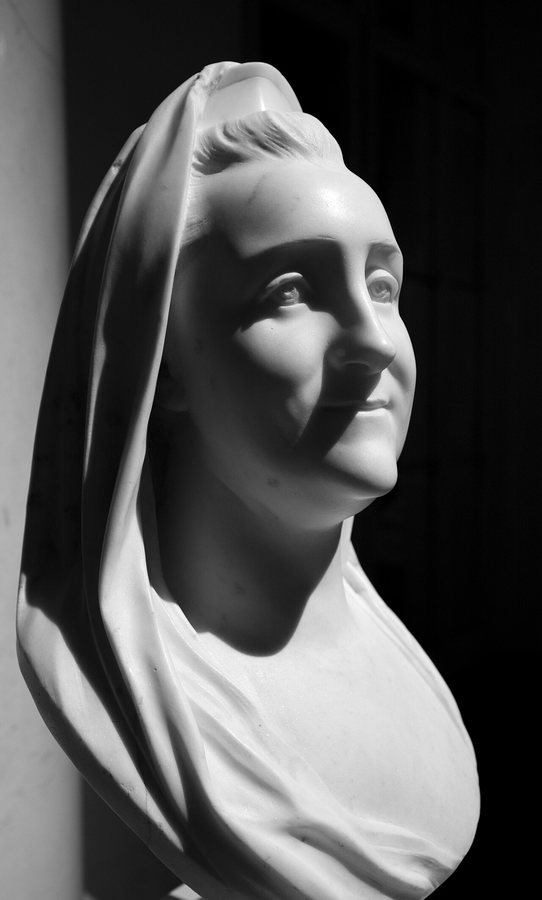
Portrait of Catherine the Great by Marie-Anne Collot, marble, 1769, The State Hermitage Museum, Saint Petersburg
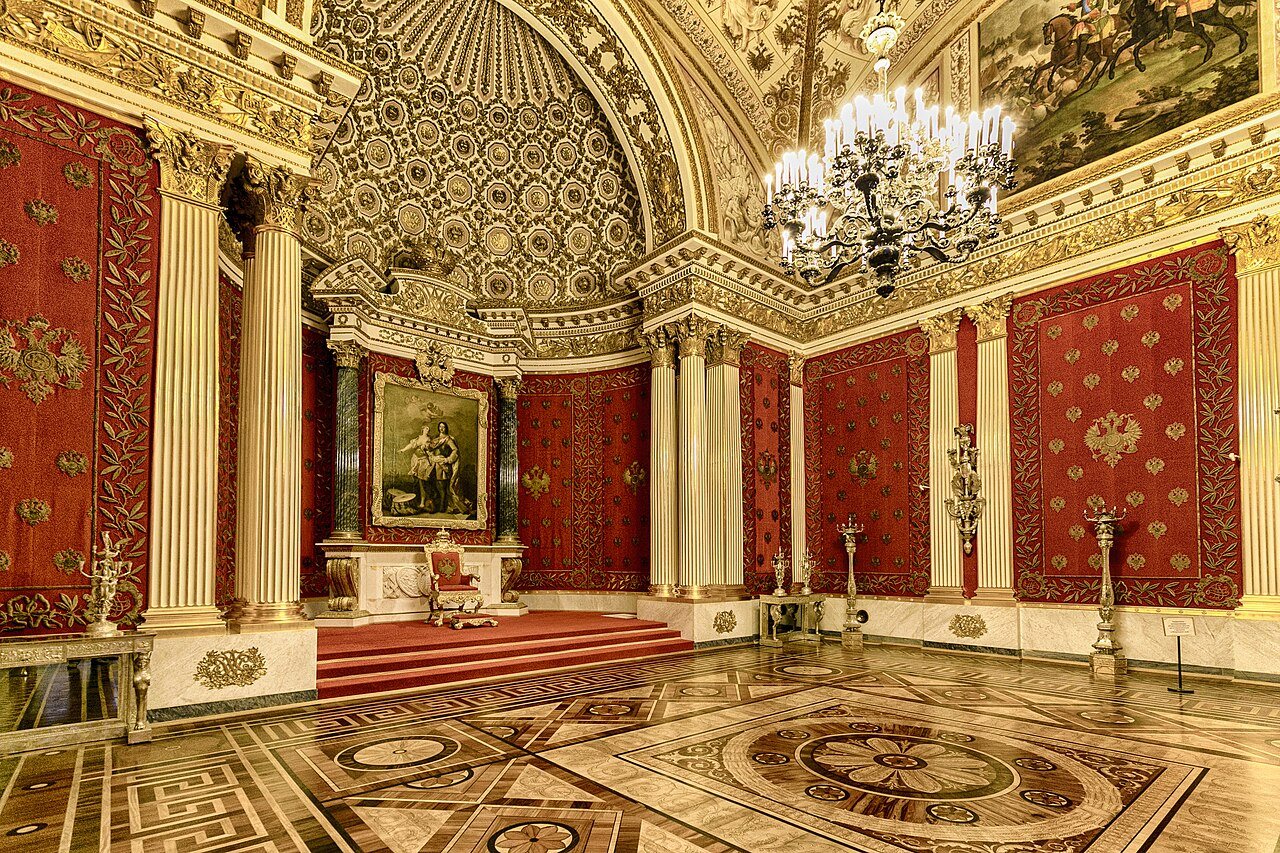
The throne of Empress Catherine II in the Winter Palace
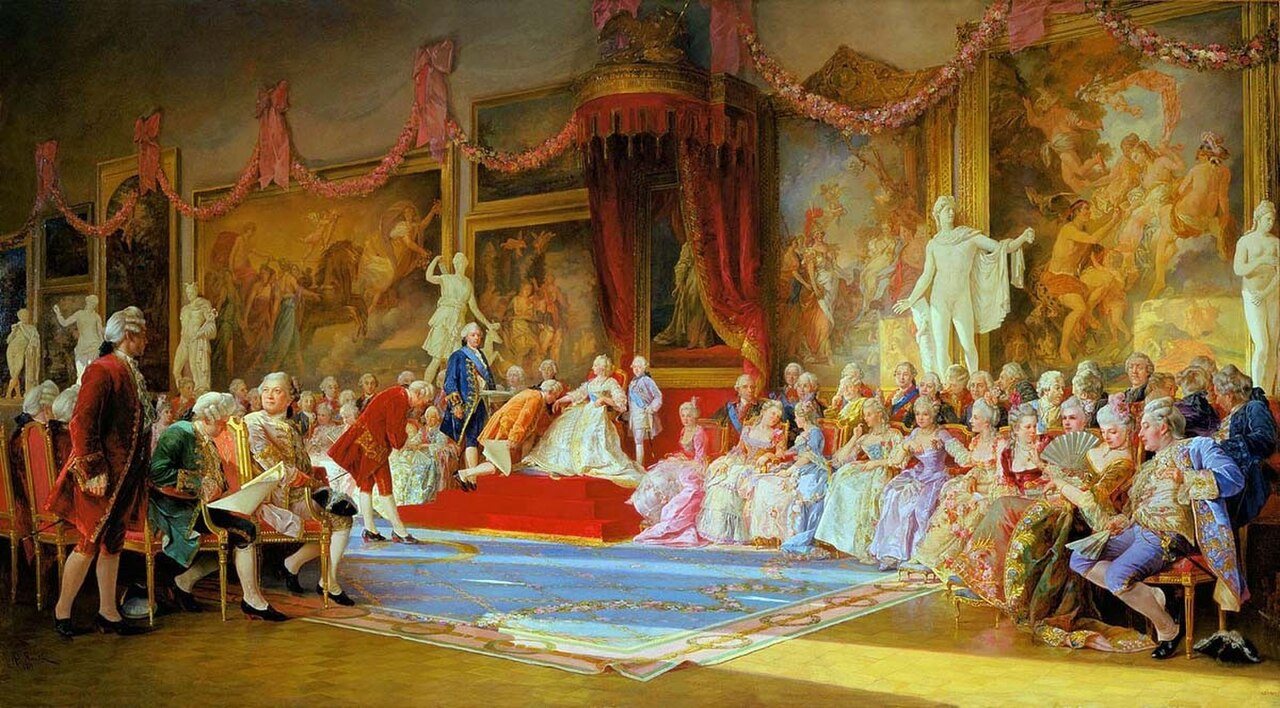
The inauguration of the Imperial Academy of Arts in Saint Petersburg in 1757
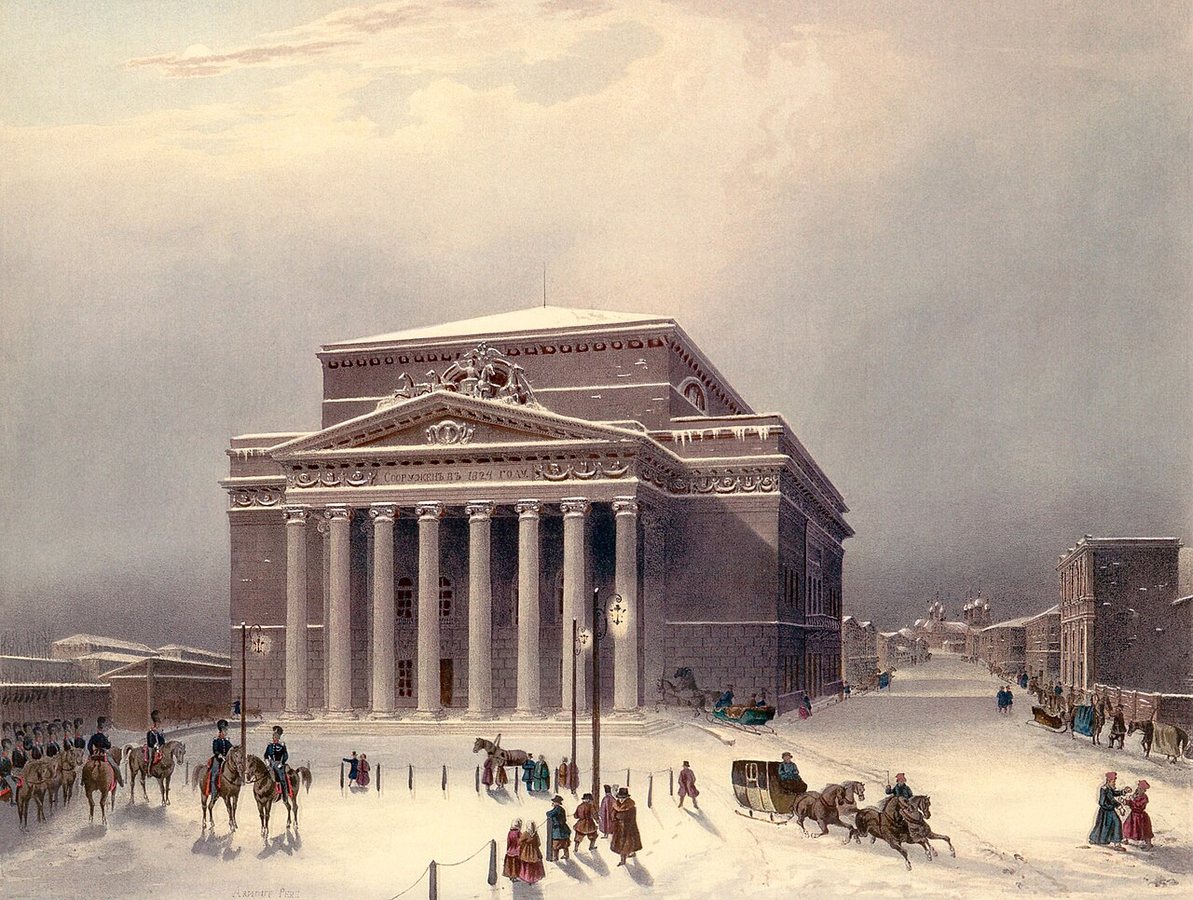
The Bolshoi Theatre in the early 19th century
Catherine visits Russian scientist Mikhail Lomonosov, by Ivan Kuzmich Fedorov, 1880s
12 images

Peter became emperor in 1762 but ruled for only about seven months before Catherine overthrew him, and he died soon after. During her reign she relied on favourites and capable generals and admirals. The empire expanded through conquest and diplomacy, including the annexation of the Crimean Khanate, the colonisation of New Russia, the partitions of Poland, and the establishment of Russian America in Alaska. Many cities, among them Sevastopol and Odessa, were founded during this period.

Legacy
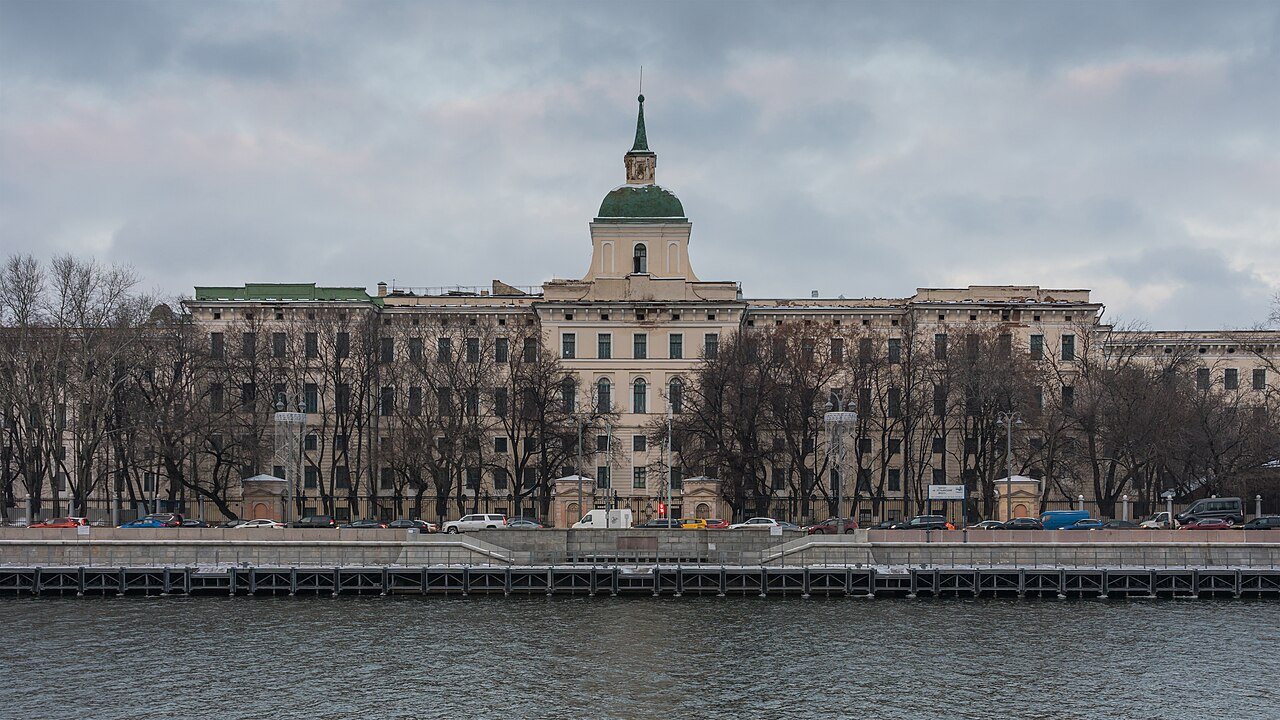
The Moscow Orphanage
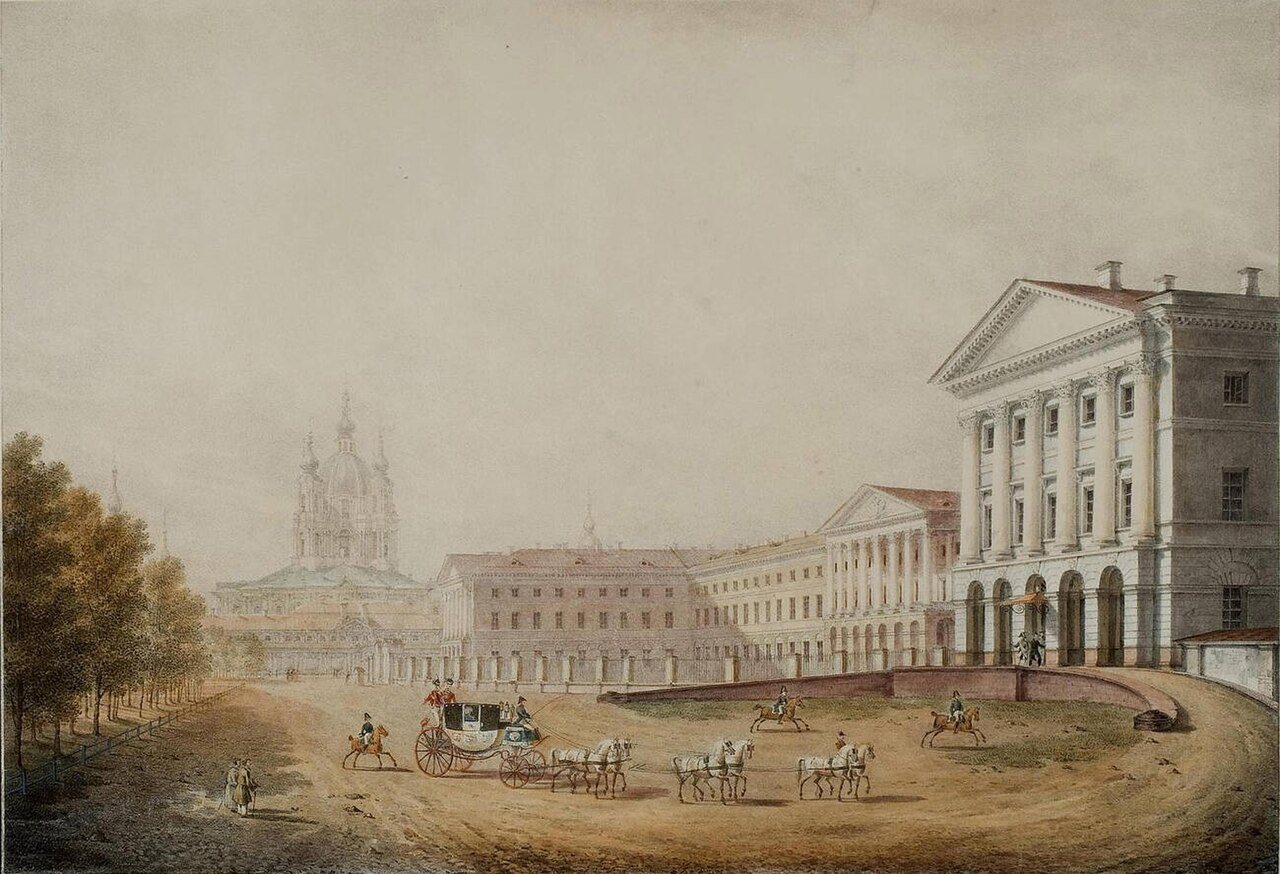
The Smolny Institute, the first Russian Institute for Noble Maidens and the first European state higher education institution for women
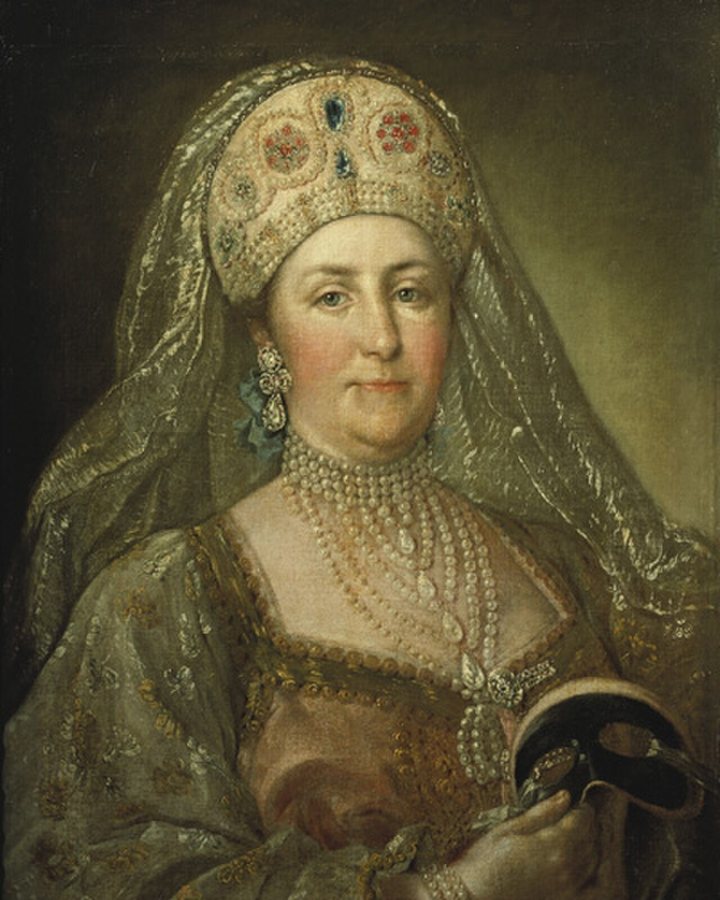
Catherine II in the Russian national costume
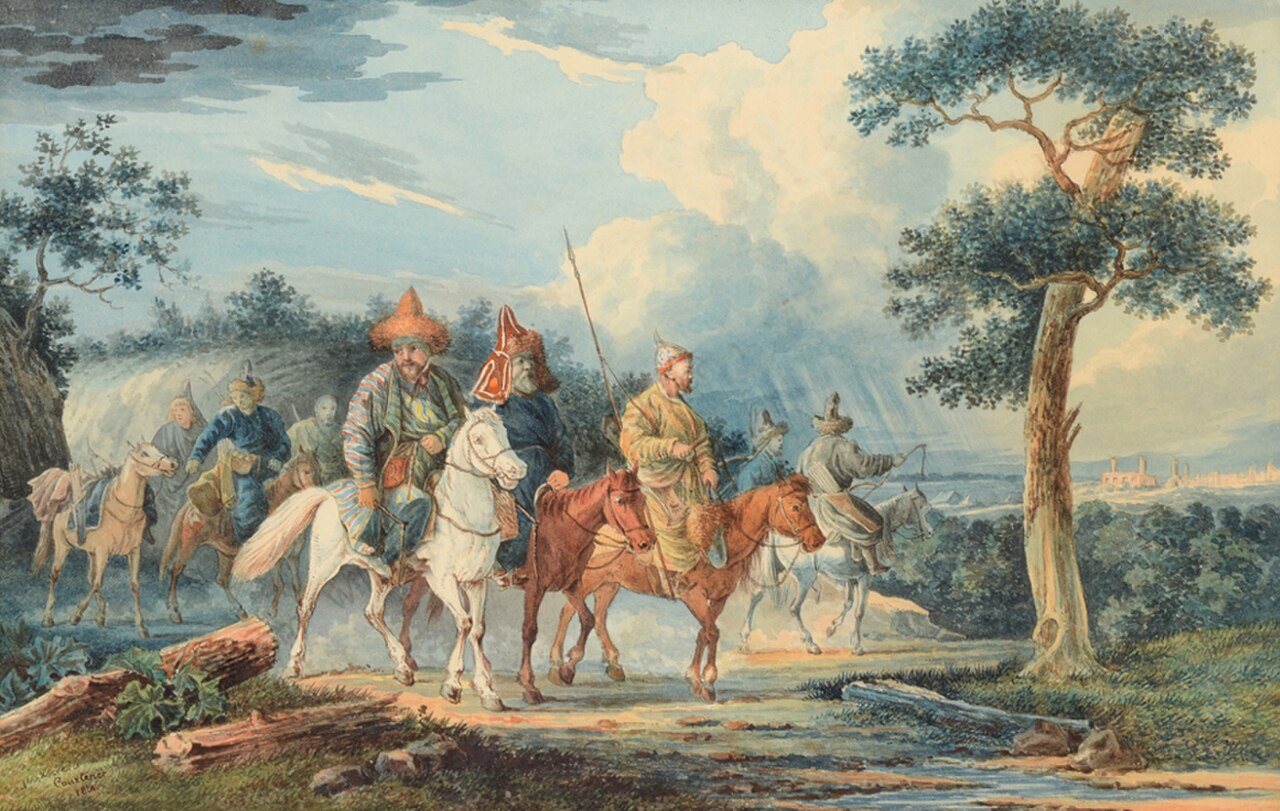
Bashkir riders from the Ural steppes
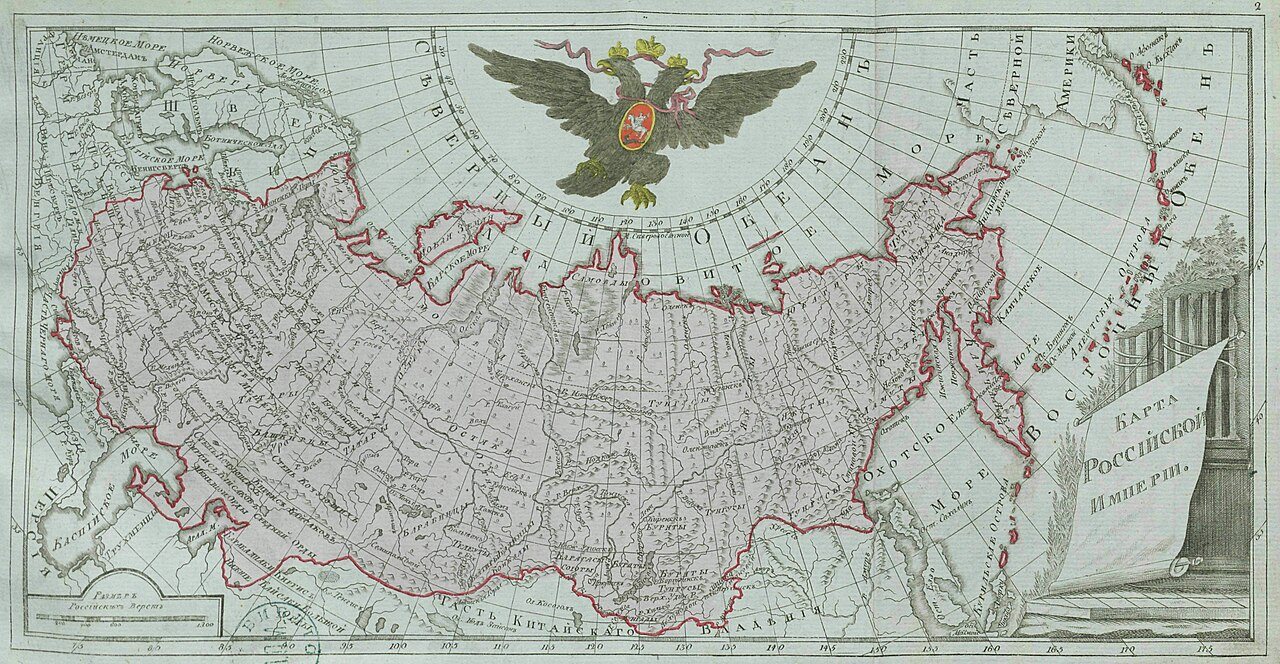
The Russian Empire in 1792
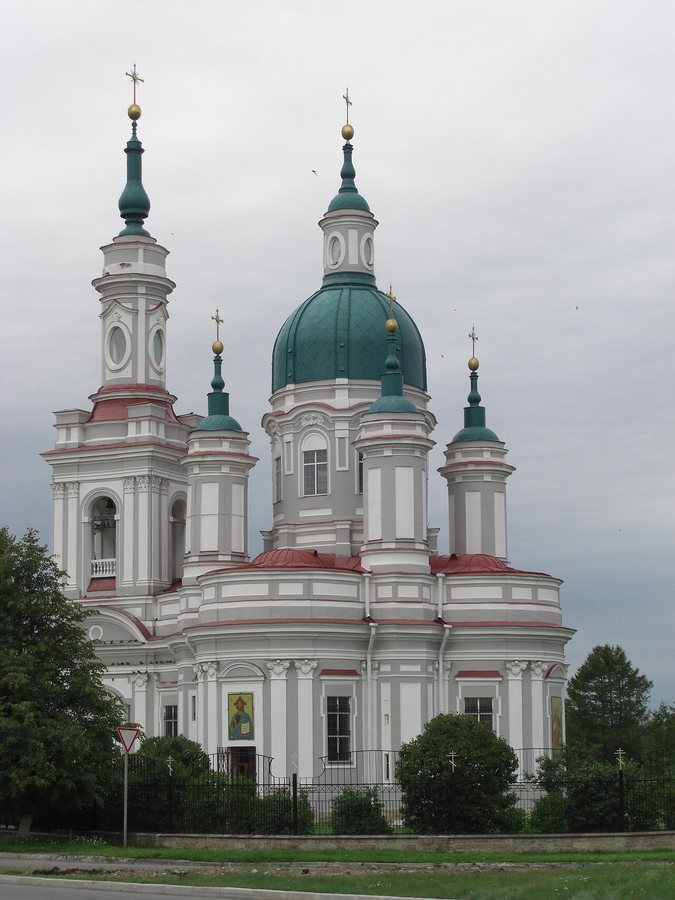
St. Catherine Cathedral in Kingisepp, an example of Late Baroque architecture
Empress Catherine the Great is popularly remembered for her sexual promiscuity.
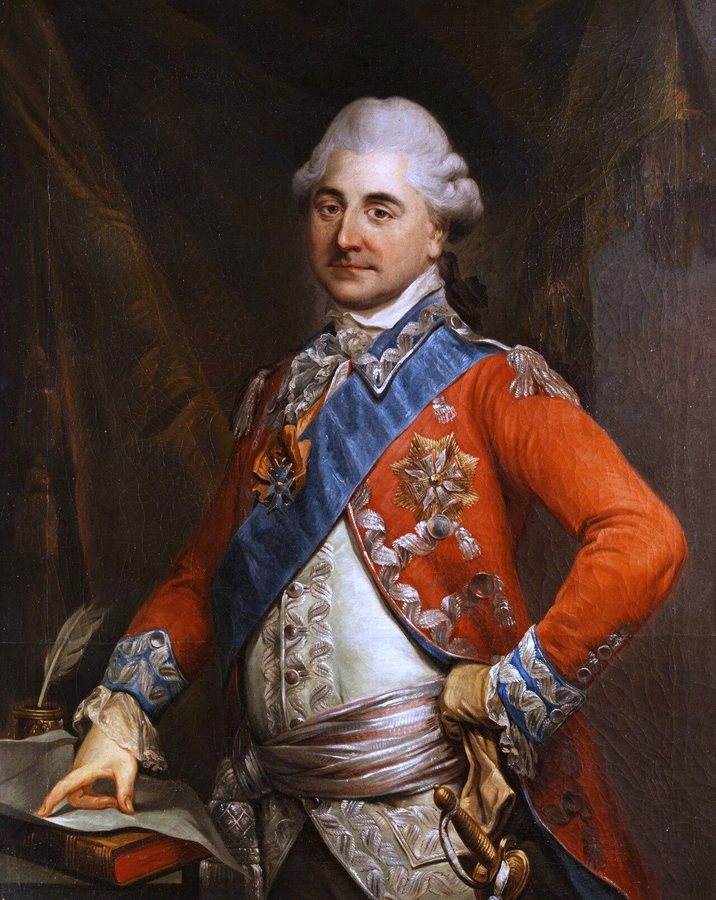
Stanisław August Poniatowski, a lover of Catherine who was elected ruler of Poland-Lithuania with her aid in 1764 (portrayed in 1786 by Bacciarelli)
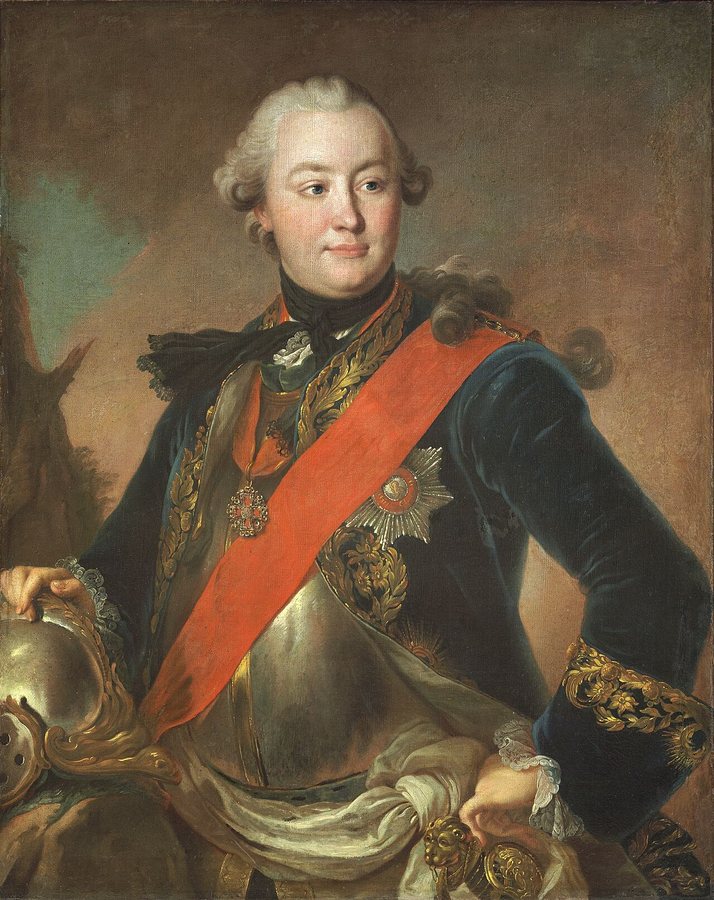
Count Grigory Orlov painted by Fyodor Rokotov, c. 1762–63
Catherine II and Prince Grigory Potemkin on the Millennium Monument in Novgorod
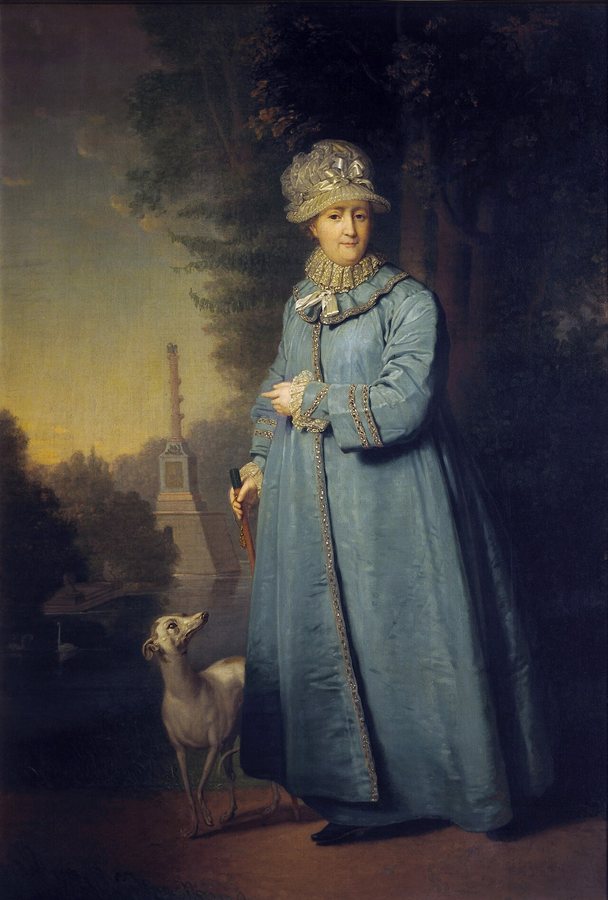
1794 portrait of Catherine, aged approximately 65, with the Chesme Column in the Catherine Park in Tsarskoye Selo in the background
Catherine's last favourite, Platon Zubov
12 images

Catherine admired Peter the Great and continued to modernise Russia along Western European lines, while serfdom remained central to the economy and its intensifying exploitation contributed to major rebellions, including that led by Pugachev. The Manifesto on Freedom of the Nobility freed nobles from compulsory state service. She is often counted among the enlightened despots and founded the Smolny Institute, the first state-financed higher education institution for women in Europe.

Read next

In 117 languages

Редакція Factograf · Published October 14, 2026 · Partly based on Wikipedia, CC BY-SA 4.0 · Source article