factograf
EN
Sign in

city in the Kuyavian-Pomeranian Voivodeship in north-central Poland

Bydgoszcz

Bydgoszcz

Key facts

population324,984
area176km²
instance ofcity with powiat rights in Poland, city, big city
countryPoland
inception1038
elevation above sea level60m
head of governmentRafał Bruski
continentEurope
located in the administrative territorial entityKuyavian-Pomeranian Voivodeship
described by sourceNordisk familjebok

Bydgoszcz is a city in northern Poland and the largest city in the historical region of Kuyavia. Located where the Vistula River meets its left-bank tributary, the Brda, it has long served as an inland port and a centre for trade and transport. With a population of 339,053 as of December 2021, it is the eighth-largest city in Poland and one of two capitals of the Kuyavian-Pomeranian Voivodeship, hosting its centrally appointed governor.

Early and royal history
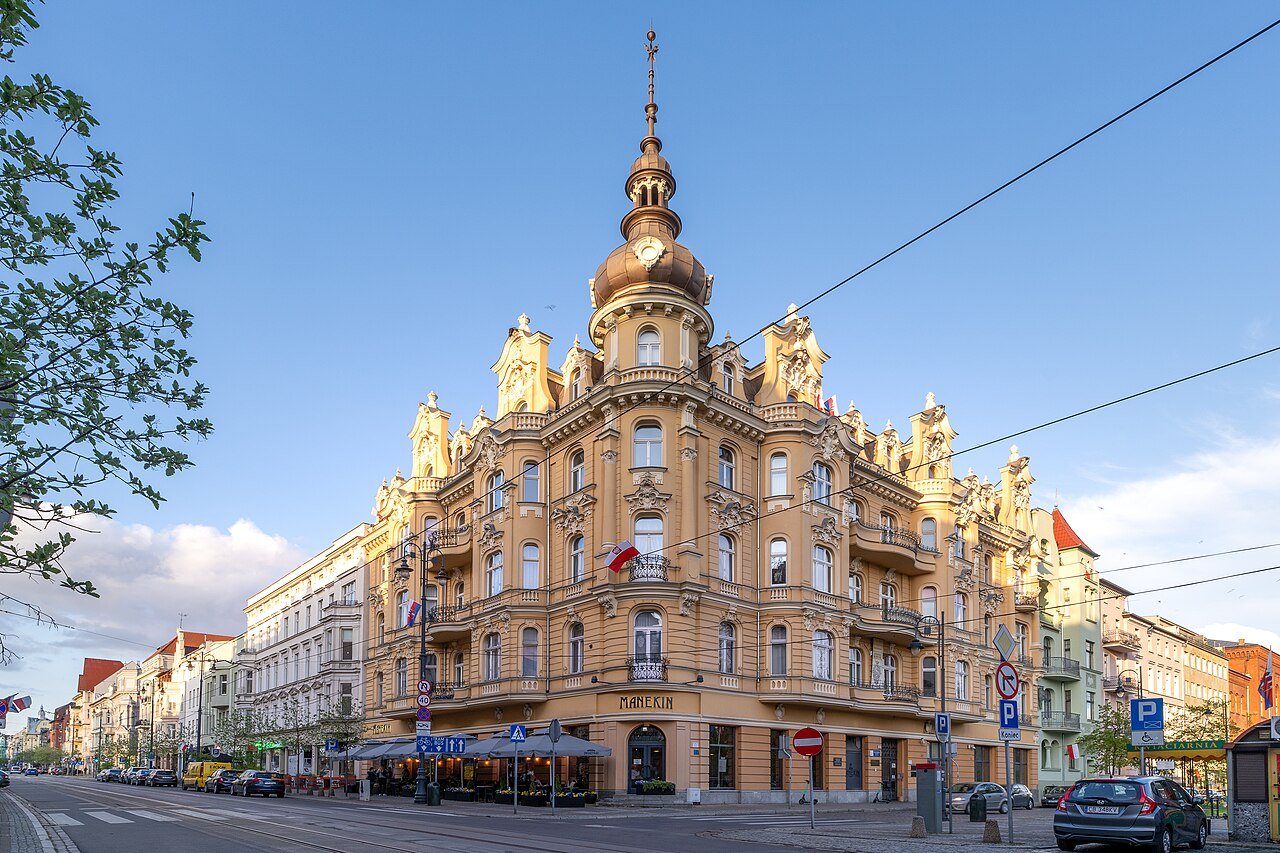
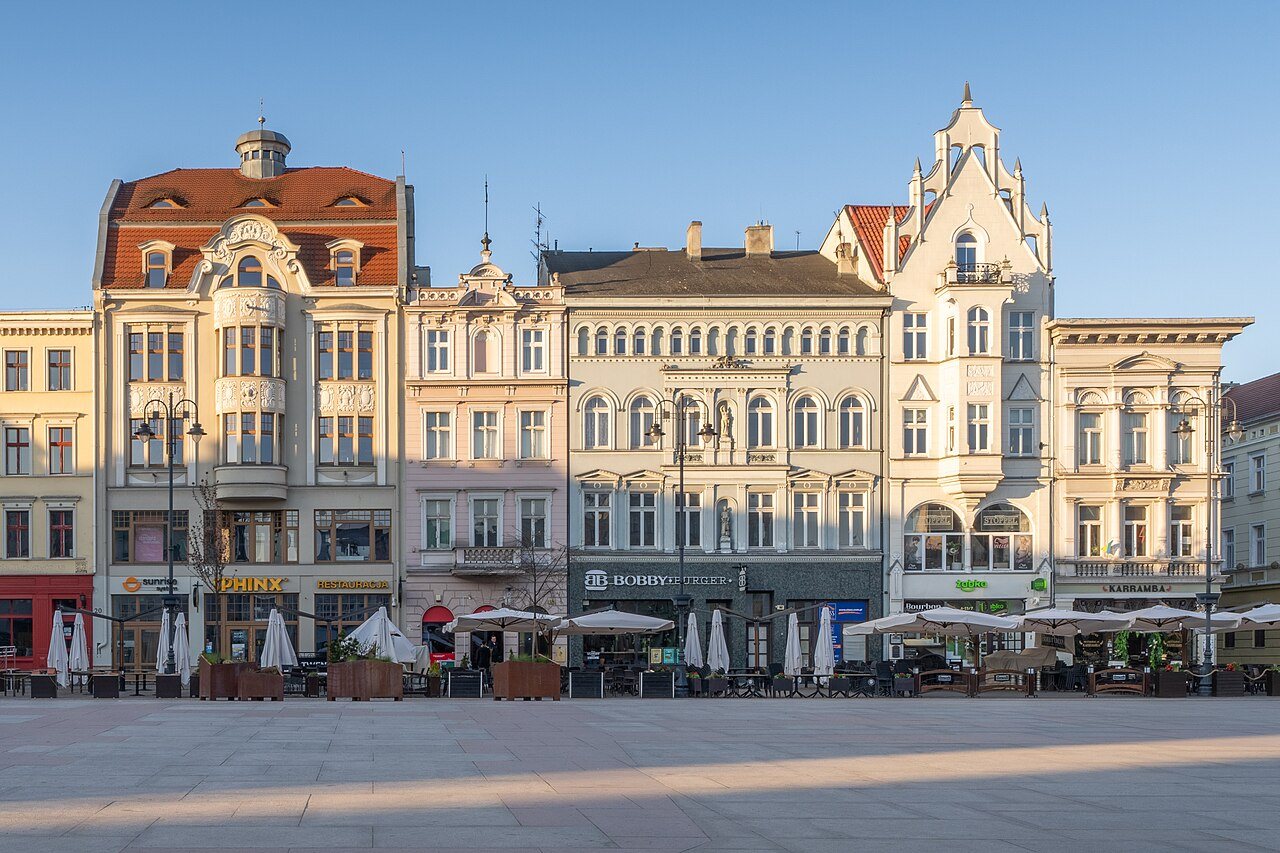
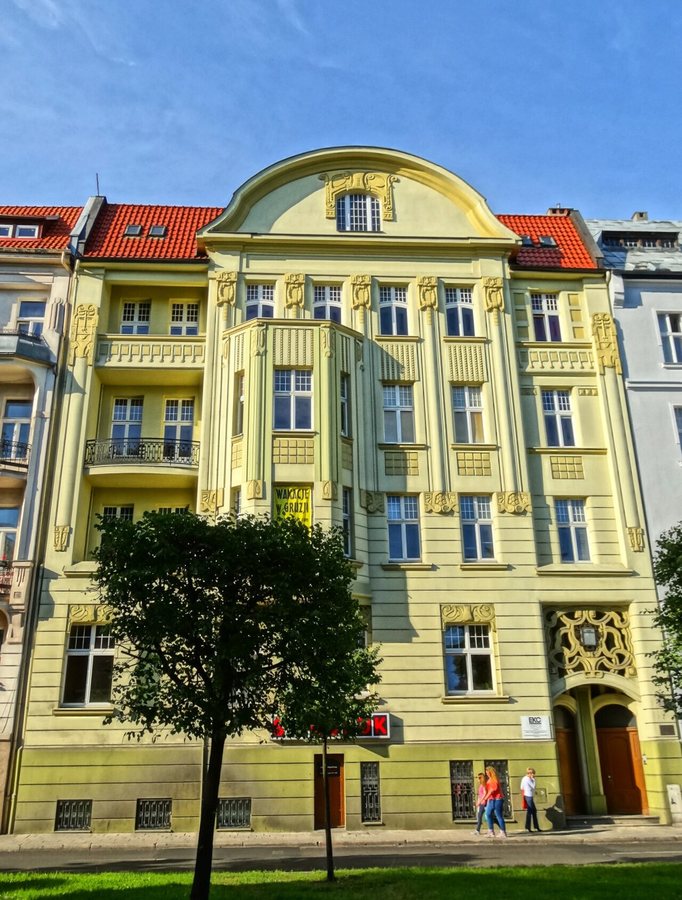
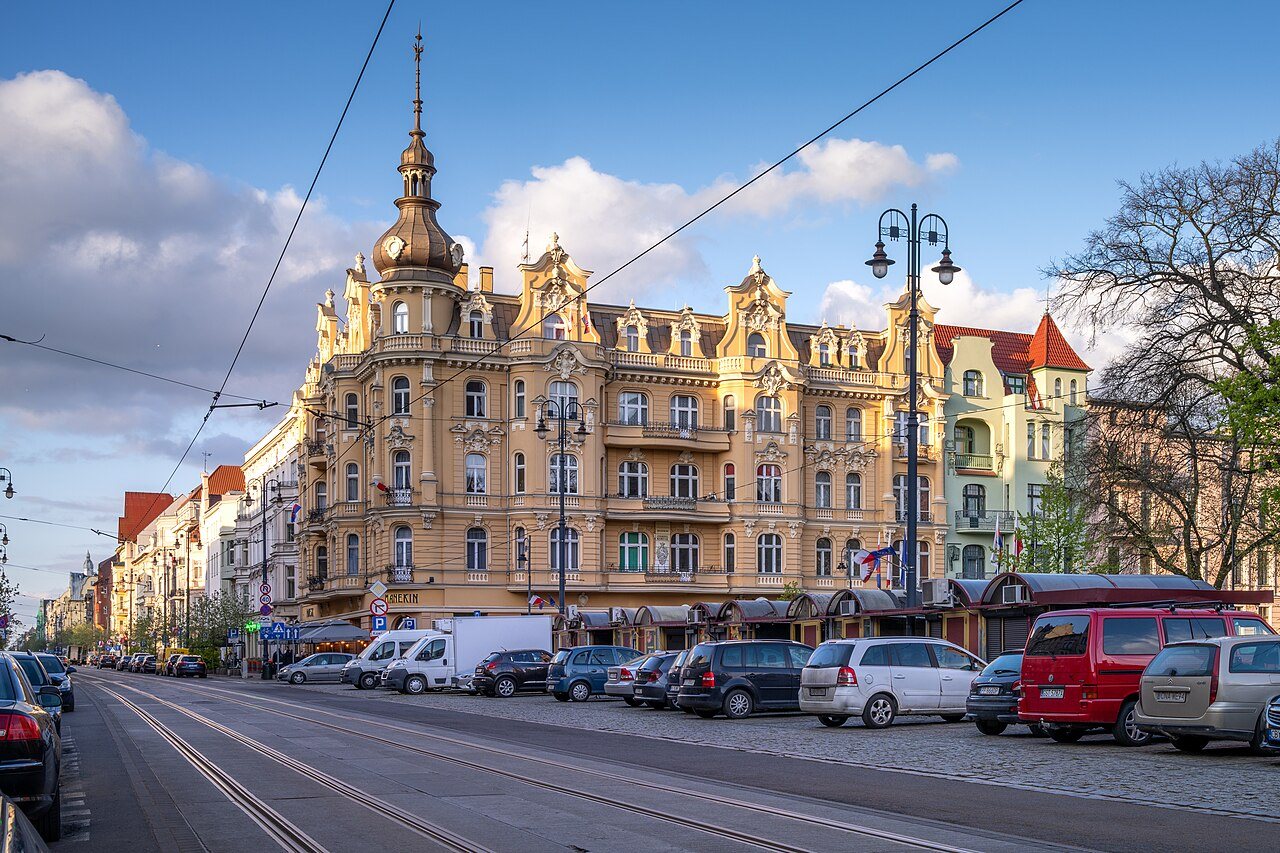
Tenement house at Freedom Square 1, 2023
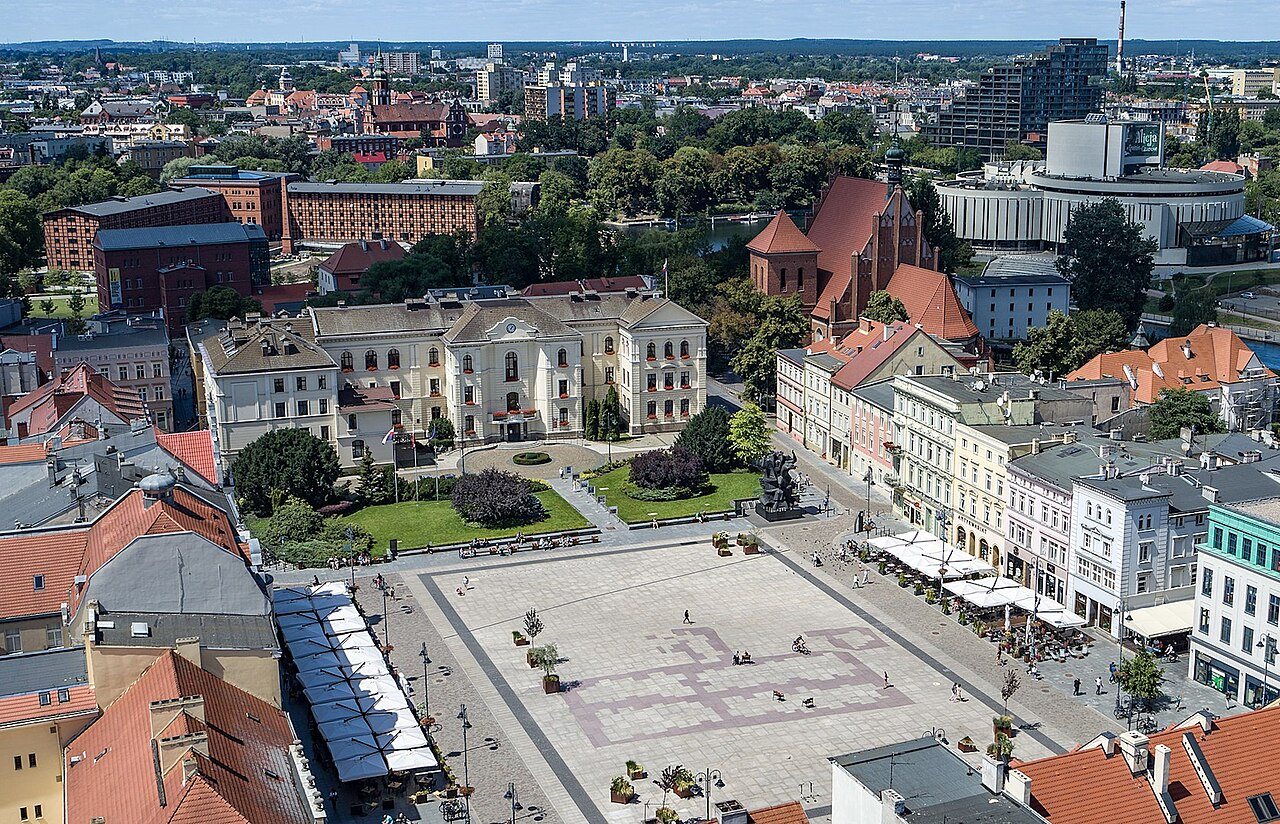
Bydgoszcz Old Market Square, southern section, 2023
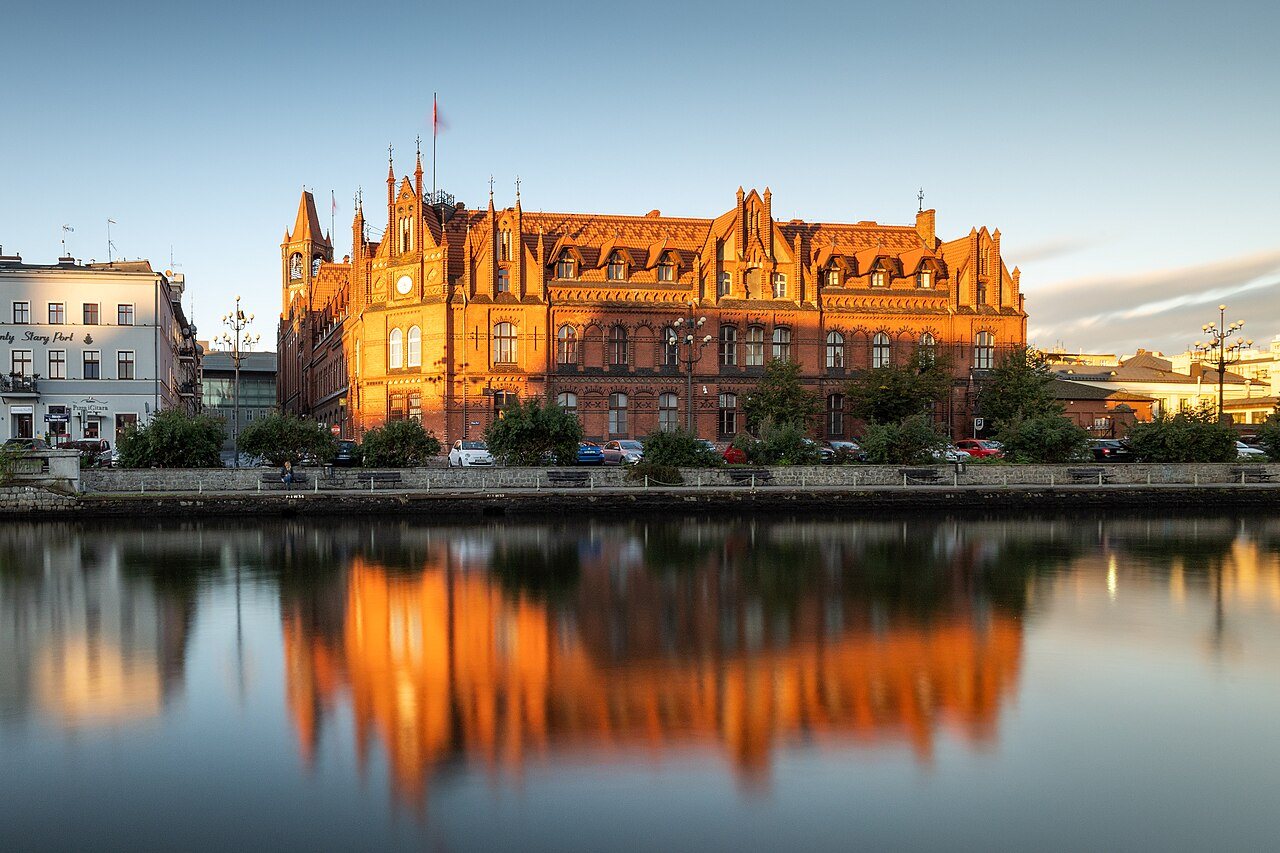
Main Post Office in Bydgoszcz
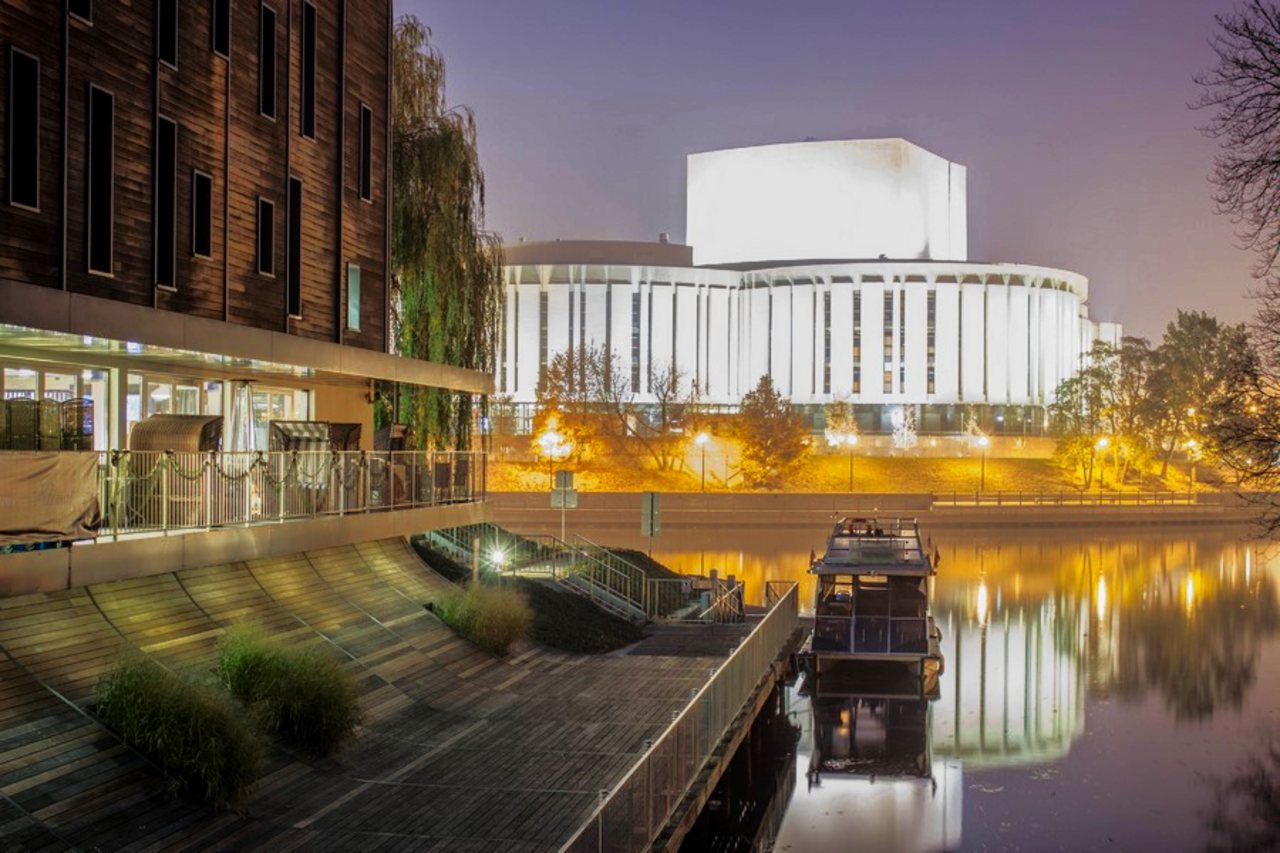
Opera Nova landing stage
Bydgoszcz Cathedral, 2023
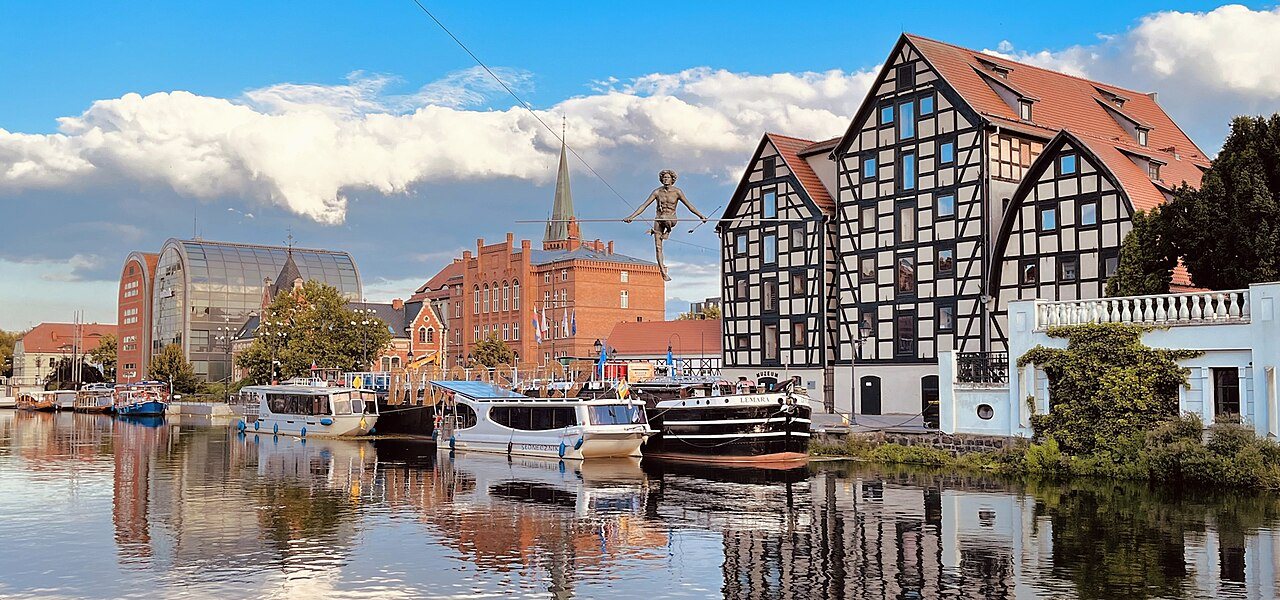
Granaries in Bydgoszcz, 2024
Bydgoszcz city logo
Bydgoszcz city logo
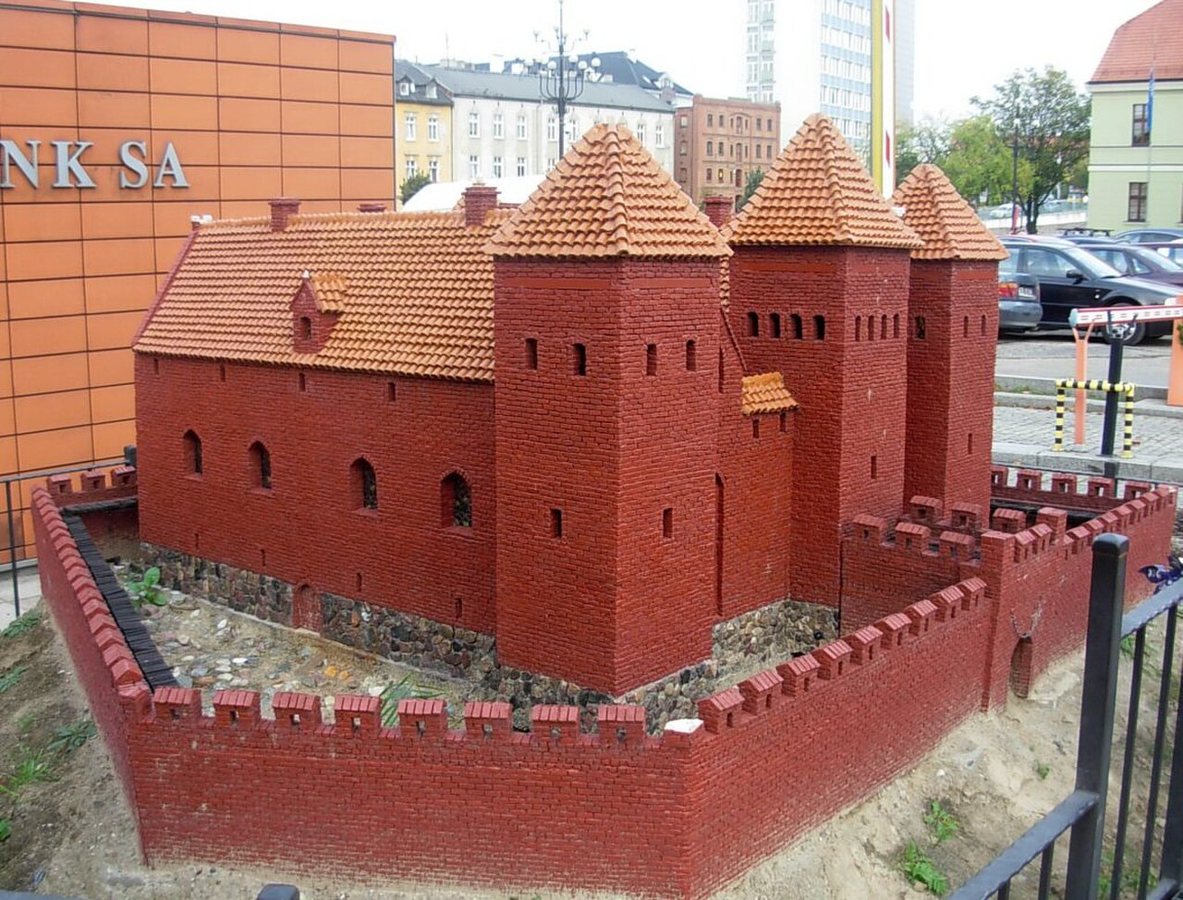
Mockup of the old castle in the Old Town
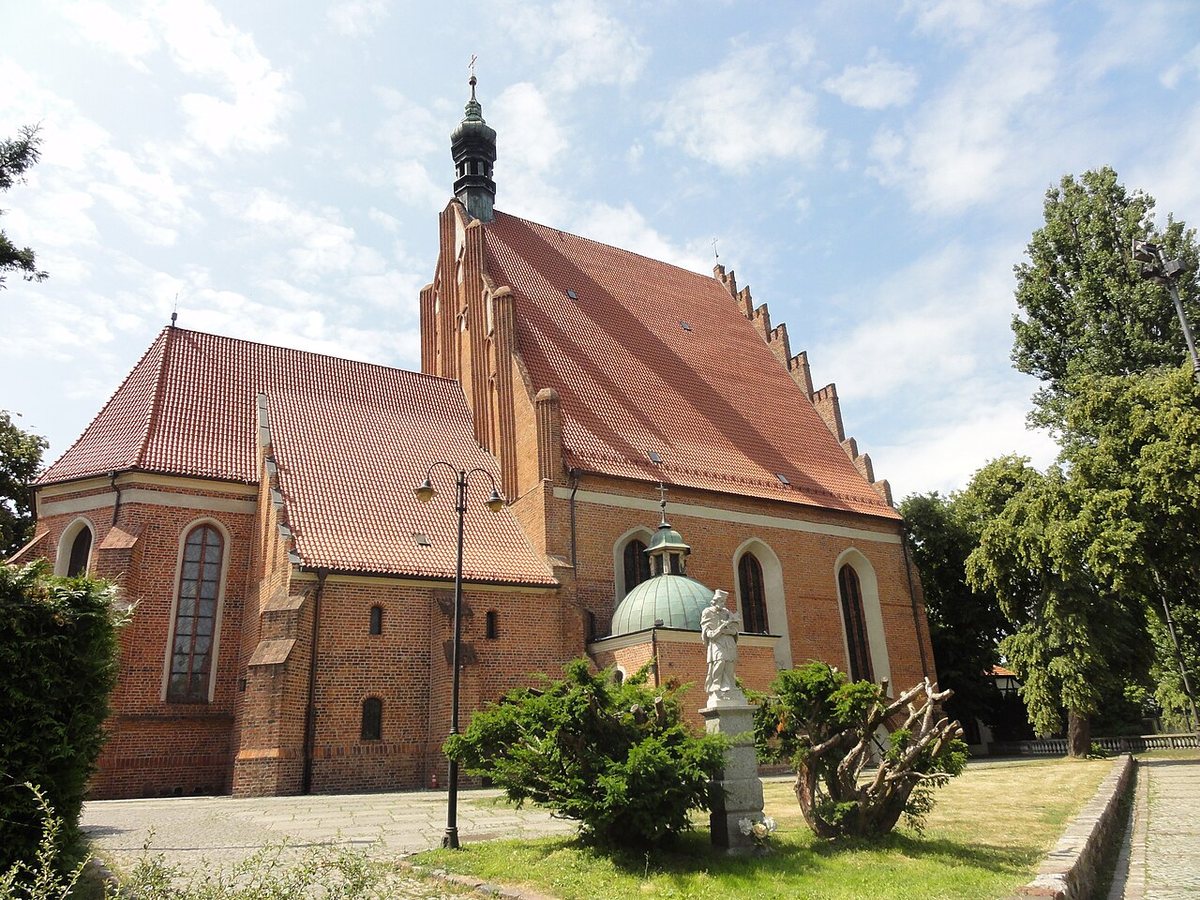
Brick Gothic Bydgoszcz Cathedral
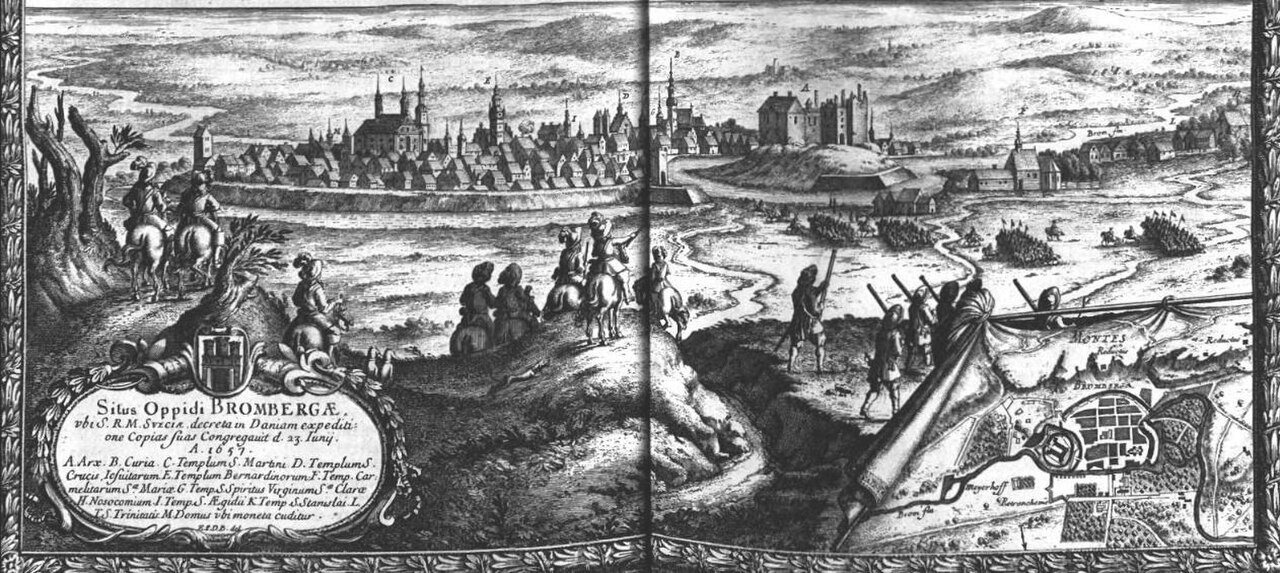
Panorama of Bydgoszcz in 1657 by Erik Dahlbergh during the Swedish occupation.
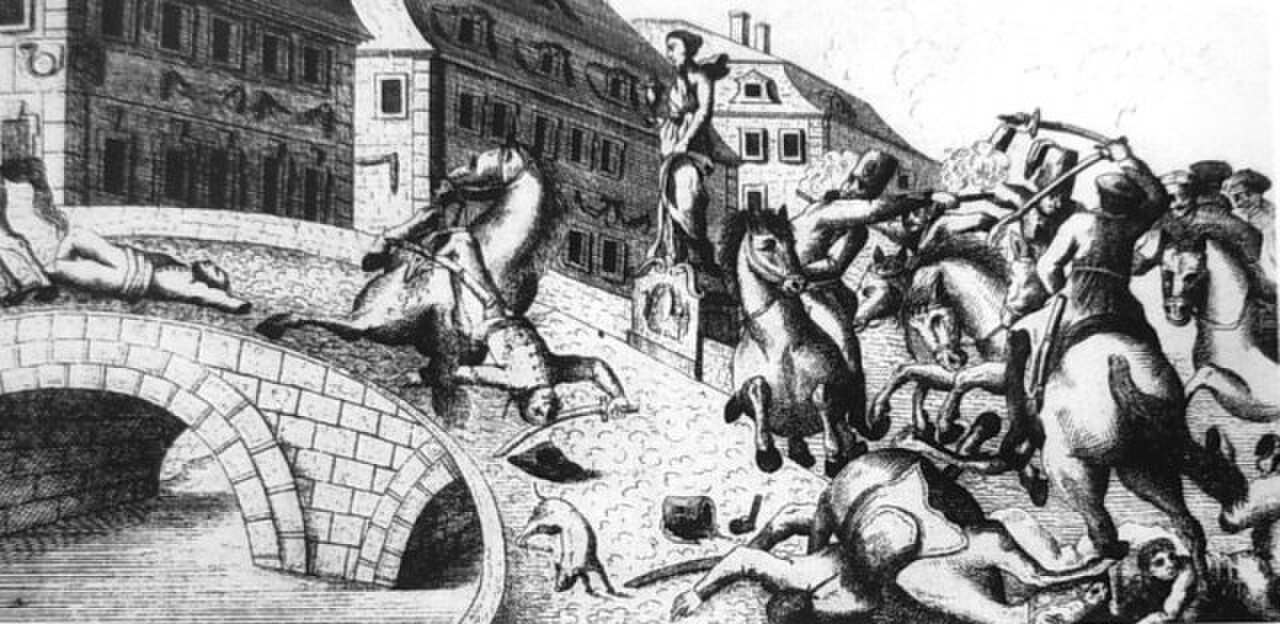
Battle of Bydgoszcz in 1794 during the Kościuszko Uprising.
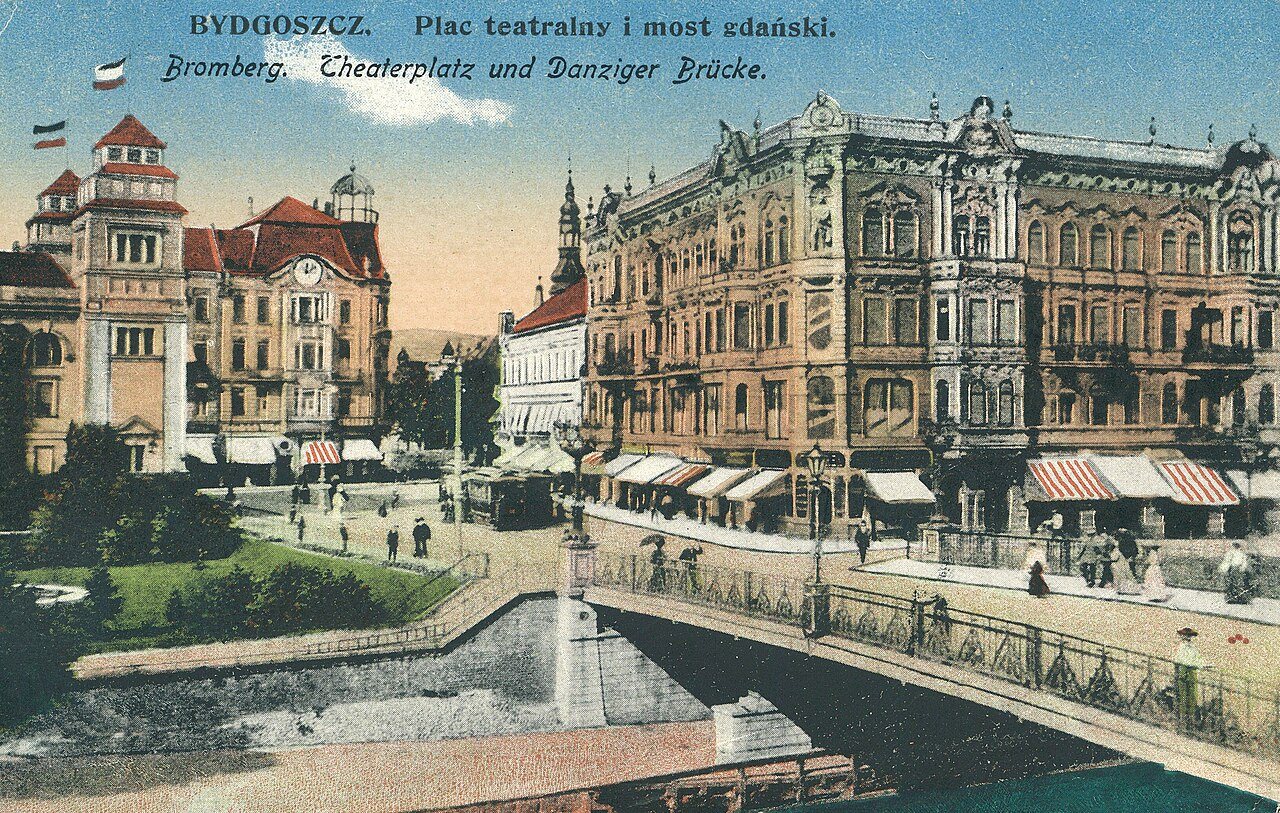
Bydgoszcz theatre square and Gdańsk Bridge, 1899–1916
12 images

Settlements in the area grew during ancient trade links with the Roman Empire, and an early Slavic fishing settlement later became a fortified stronghold on the Vistula trade routes. Granted city rights by King Casimir III in 1346, Bydgoszcz became an important royal city of Poland. Its river trade, pottery, beer and grain trading made it prosperous, and it hosted a Sejm of the Kingdom of Poland in 1520. The town suffered repeated destruction during wars with Sweden and the Teutonic Knights in the 14th and 17th centuries.

Industry and modern significance
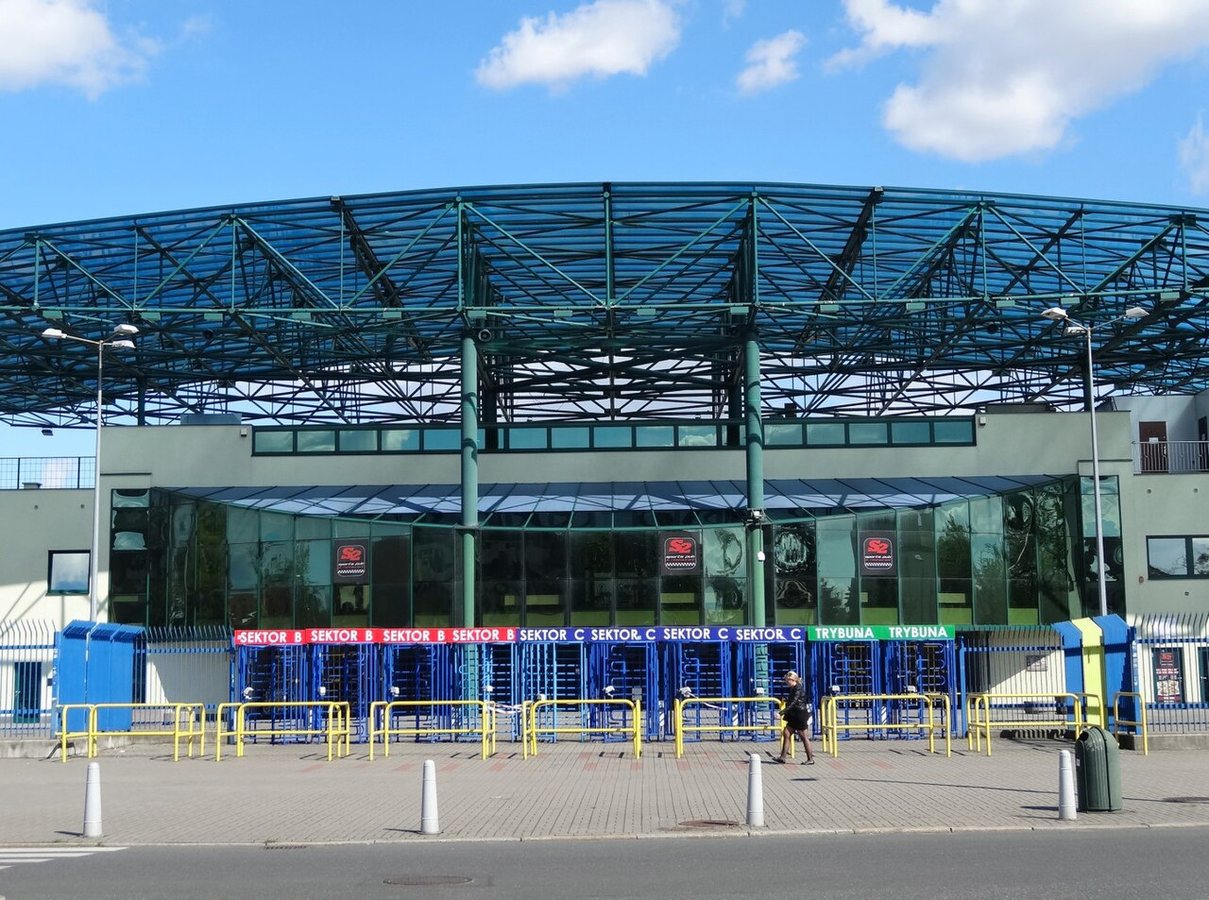
Józef Piłsudski Municipal Stadium
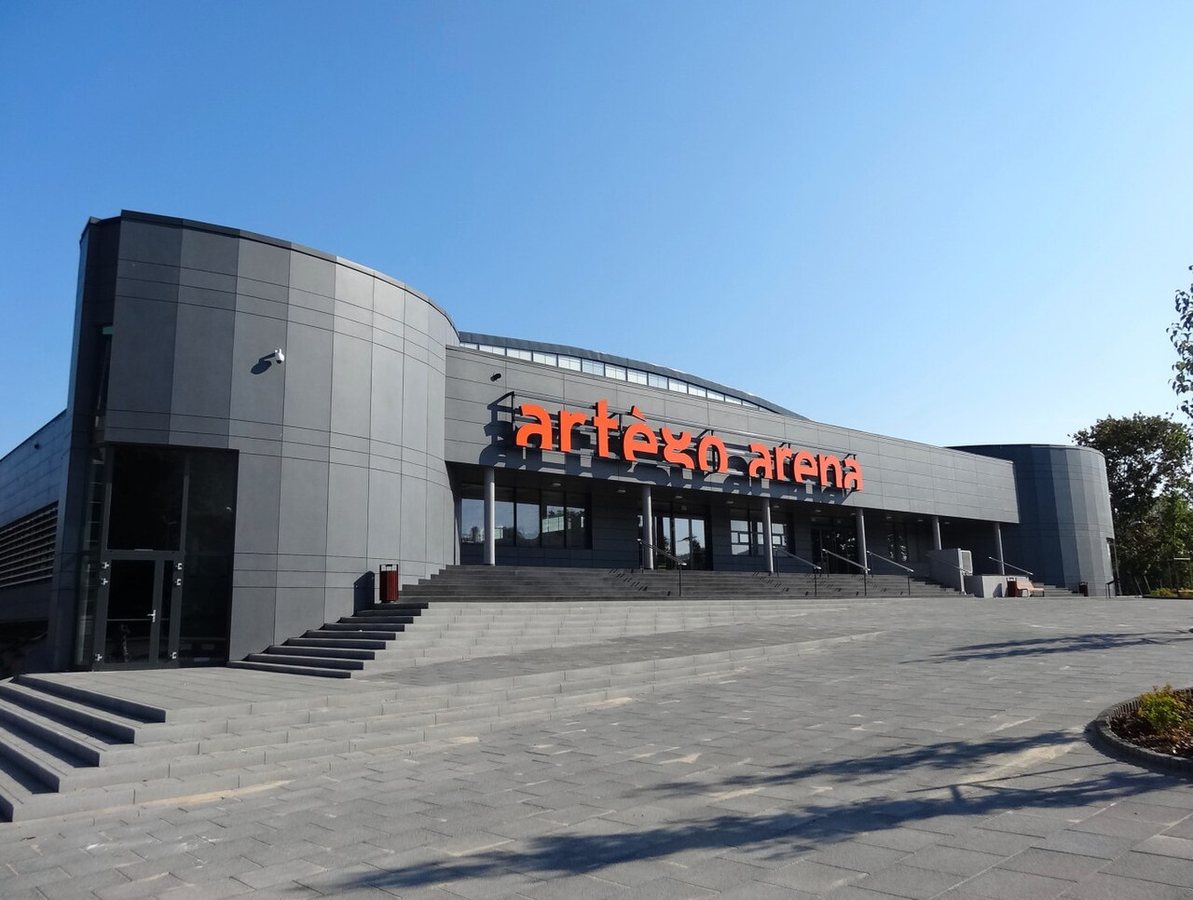
Grupa Moderator Arena (formerly Artego Arena and Sisu Arena)
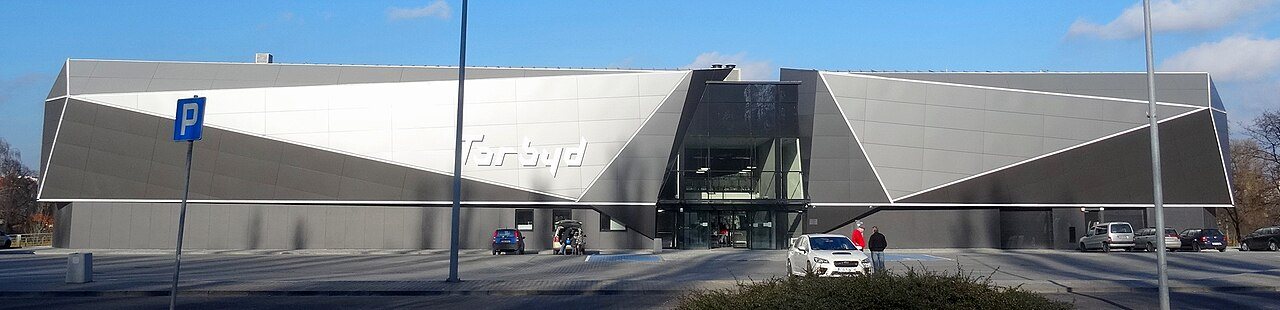
Torbyd
Torbyd
Mickiewicza Street, Bydgoszcz, 2013
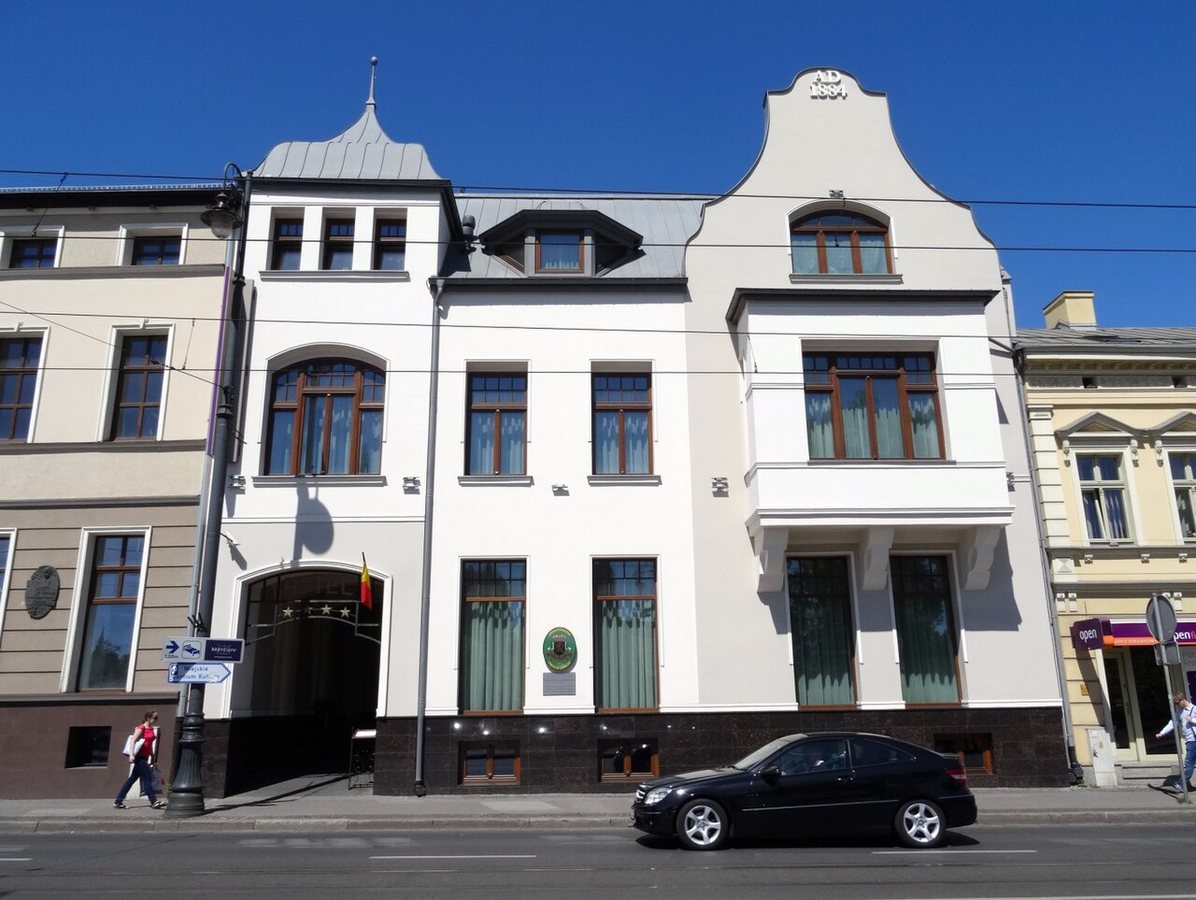
Hotel Sepia, Consulate of Belgium, 2015
Dworcowa 19, Bydgoszcz
Villa at Garbary Street 2, Bydgoszcz
Twin town signs of Bydgoszcz
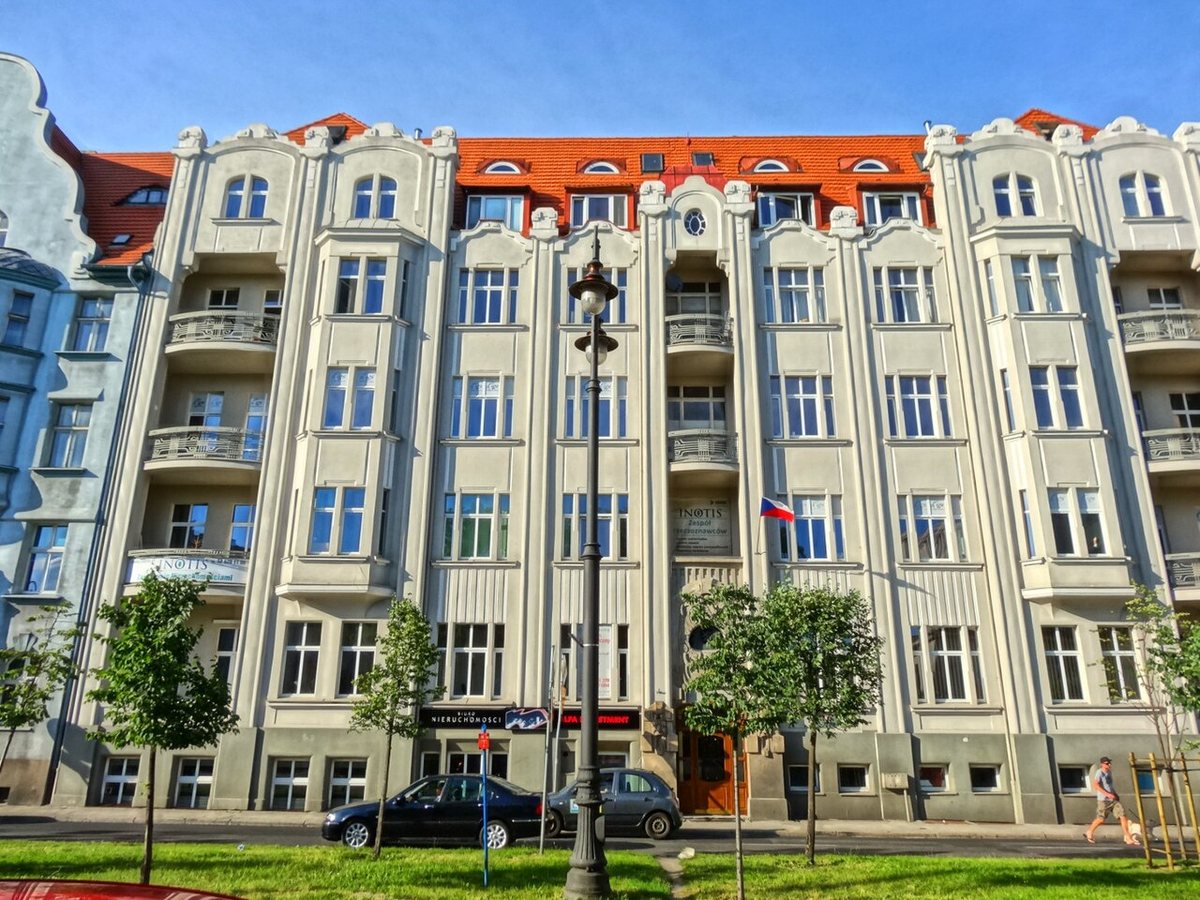
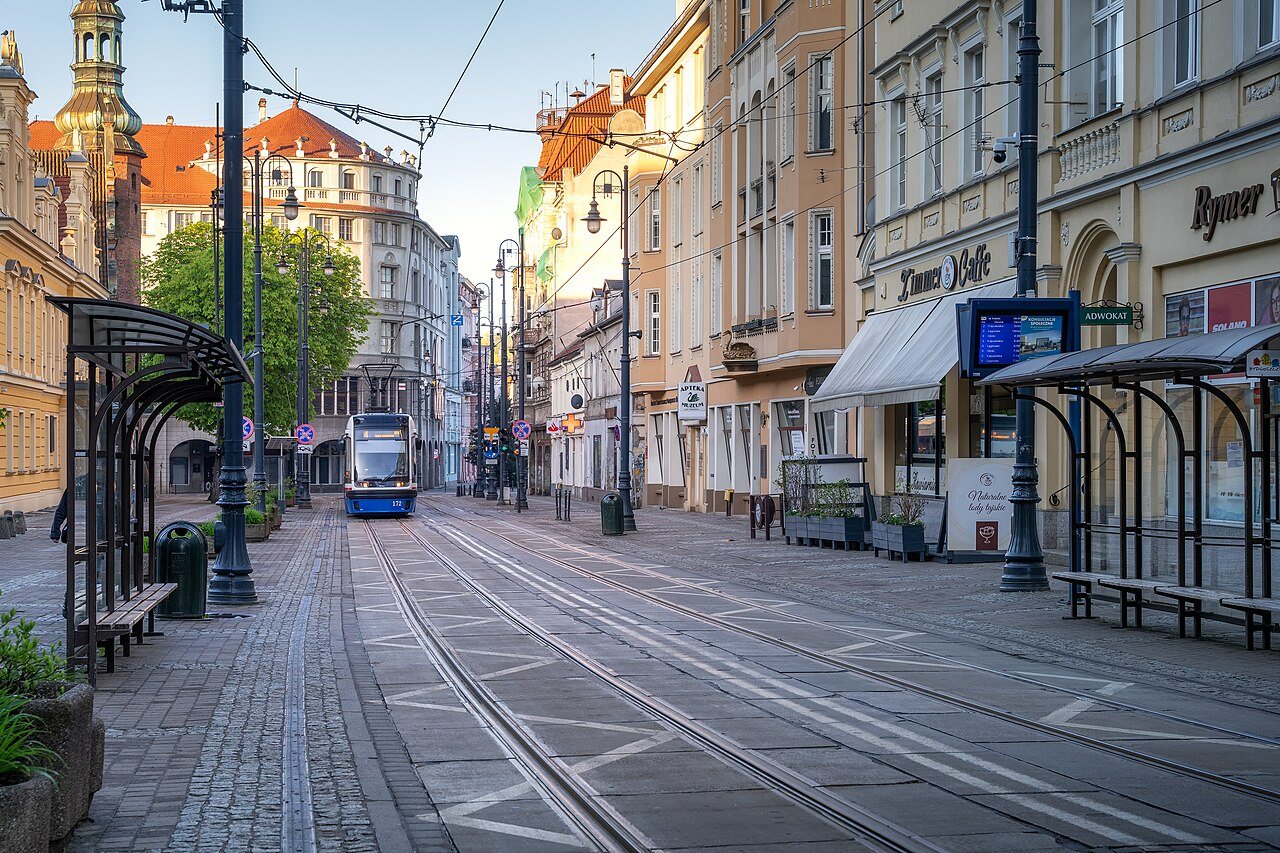
Gdańska Street, Freedom Square, 2023
Gdańska Street in Bydgoszcz
Bydgoszcz Alley of Autographs, 2023
12 images

The construction of the Bydgoszcz Canal in the late 18th century supported industrialisation and strengthened the city's economic role. Today it is home to several universities and cultural institutions, including Casimir the Great University and the Pomeranian Philharmonic. The city is also known for its architecture, which combines Gothic, Neoclassical and Art Nouveau styles with extensive green spaces, and in 2023 it was named a UNESCO City of Music.

Read next

In 96 languages

Редакція Factograf · Published October 14, 2026 · Partly based on Wikipedia, CC BY-SA 4.0 · Source article