factograf
EN
Sign in

atlantic ocean archipelago and autonomous region of portugal

Azores

Azores

Key facts

population236,440
area2,322km²
instance ofautonomous region of Portugal, integral overseas territory, subregion of Portugal
countryPortugal
capitalPonta Delgada
inception1976
elevation above sea level2,351m
continentEurope
located in the administrative territorial entityPortugal
located in time zoneUTC−01:00

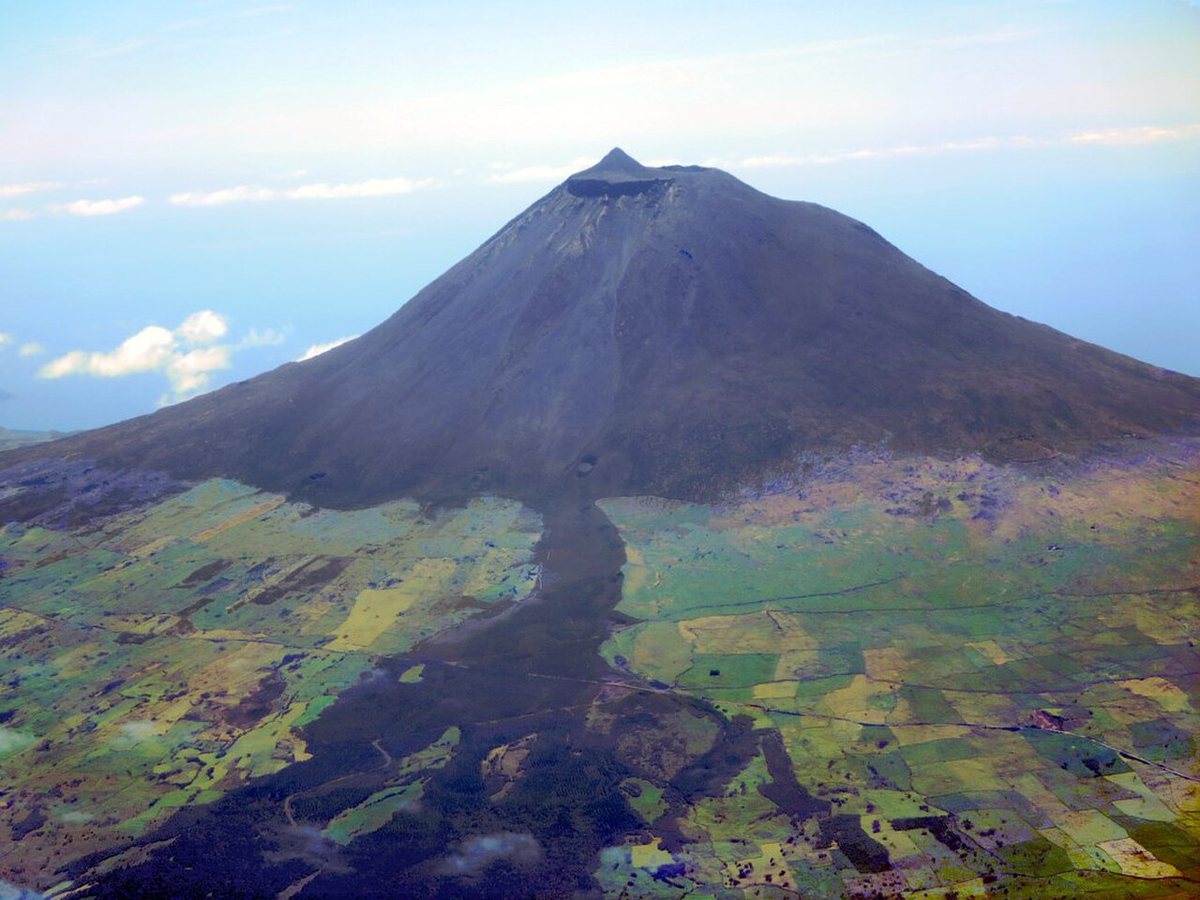
The Azores is an archipelago of nine volcanic islands in the North Atlantic Ocean, about 1,400 km west of the Portuguese mainland. Together with Madeira, it forms one of the two autonomous regions of Portugal and is a special territory of the European Union. It is the westernmost point and region of Portugal, and its islands lie in the Macaronesia region. Mount Pico, on Pico Island, is the highest point in Portugal.

Geography and climate
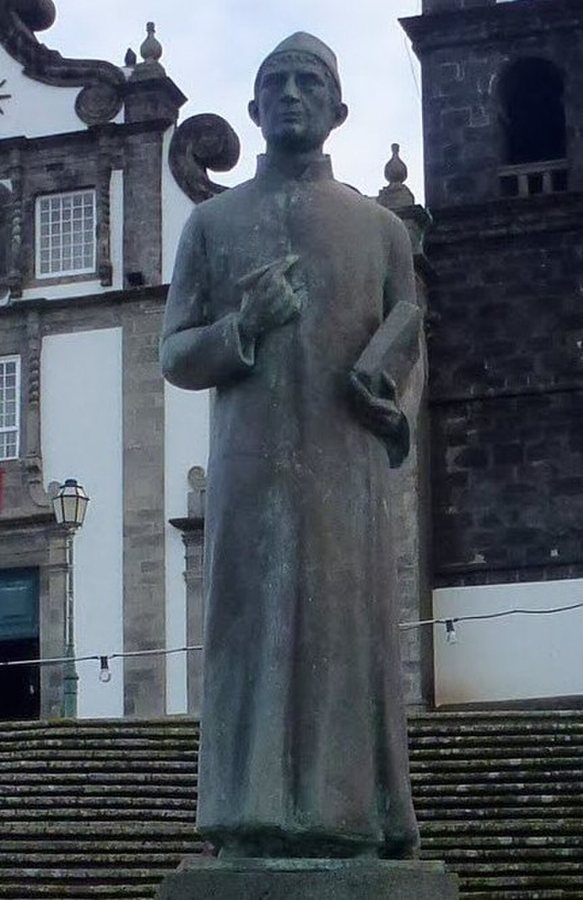
Gaspar Frutuoso wrote Saudades da Terra, the first history of the Azores and Macaronesia, in the 1580s.
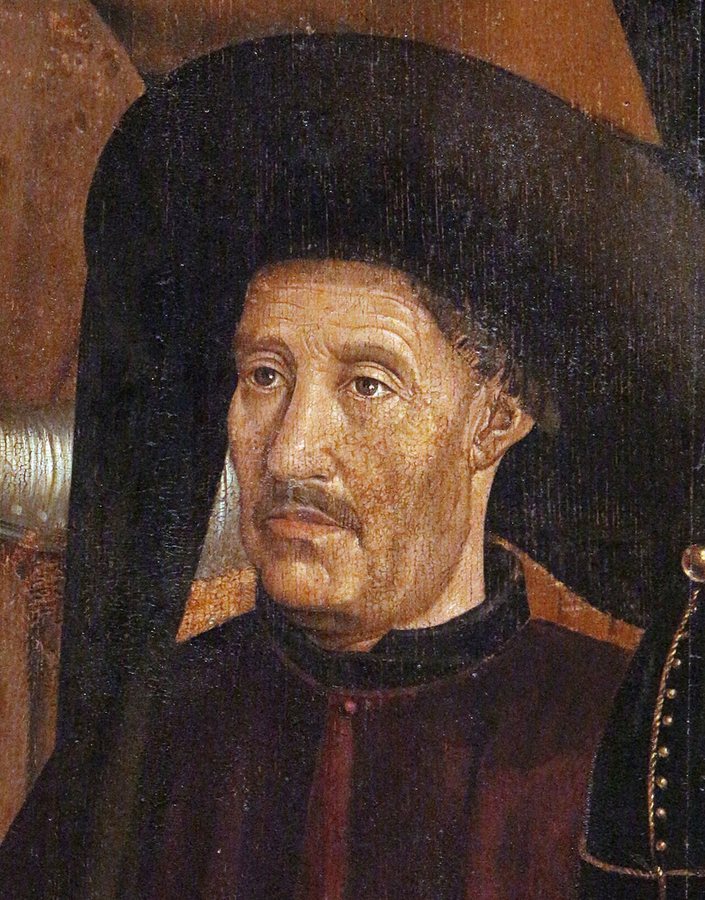
Under the direction of Prince Henry the Navigator, the Azores were discovered and populated in the early 1400s.
1584 map of the Azores Islands
The Battle of Terceira, part of the War of the Portuguese Succession
King-Emperor Pedro IV & I planned and launched his campaign in the Liberal Wars from the Azores in the name of his daughter, Queen Maria II.
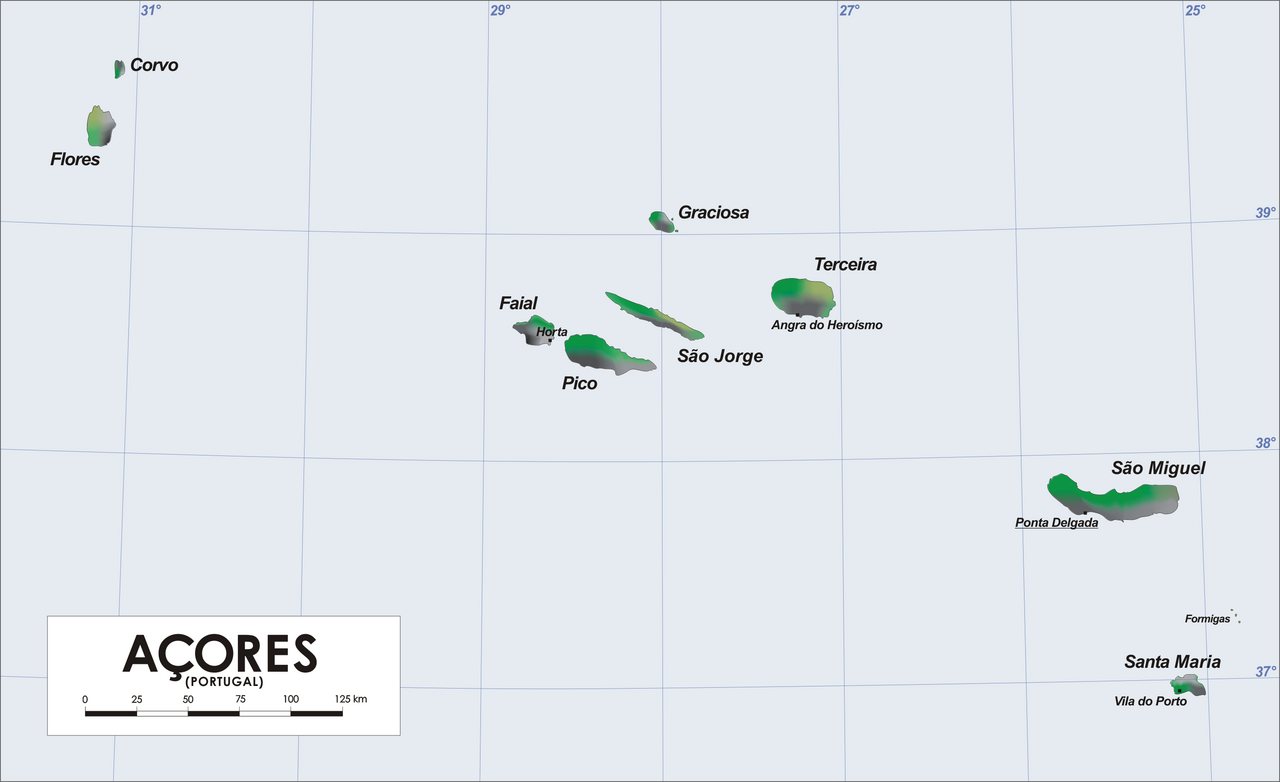
Map of the Azores
Map of the Azores
Azores (blue), Madeira (green) and the Canary Islands (yellow) in the northern Atlantic
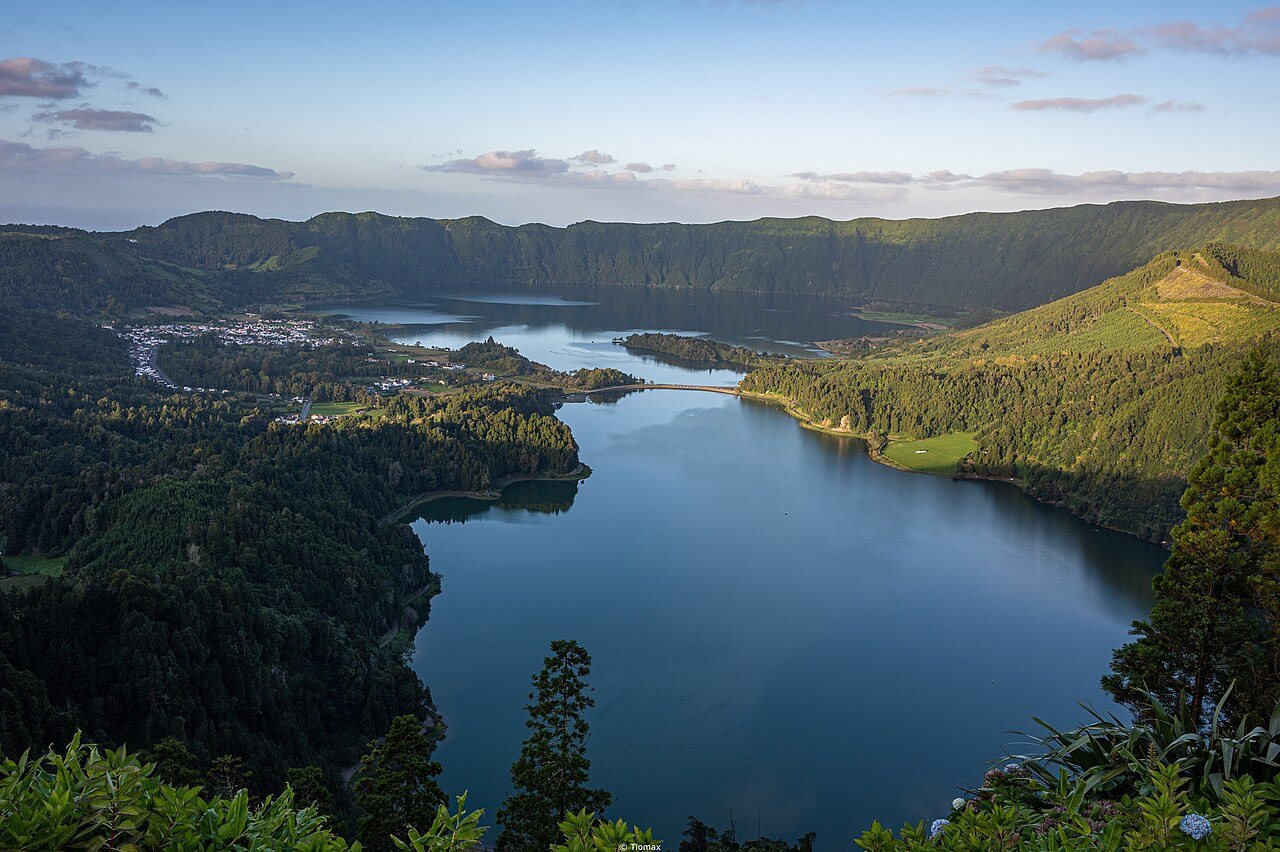
The Lagoa das Sete Cidades, located within the Sete Cidades Massif, in Sete Cidades, São Miguel Island.
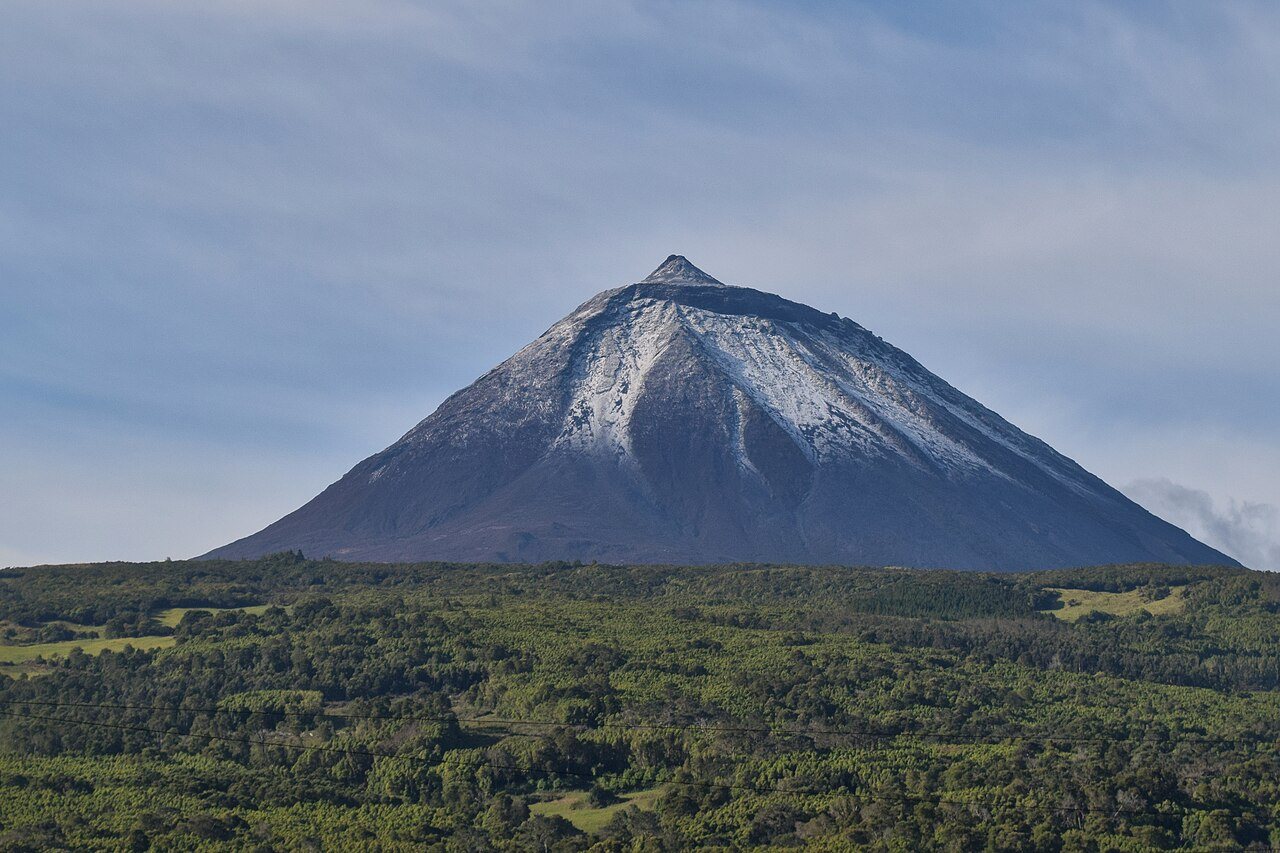
Mount Pico, the highest mountain in Portugal, displays the remnants of its last major eruption on its northern flank.
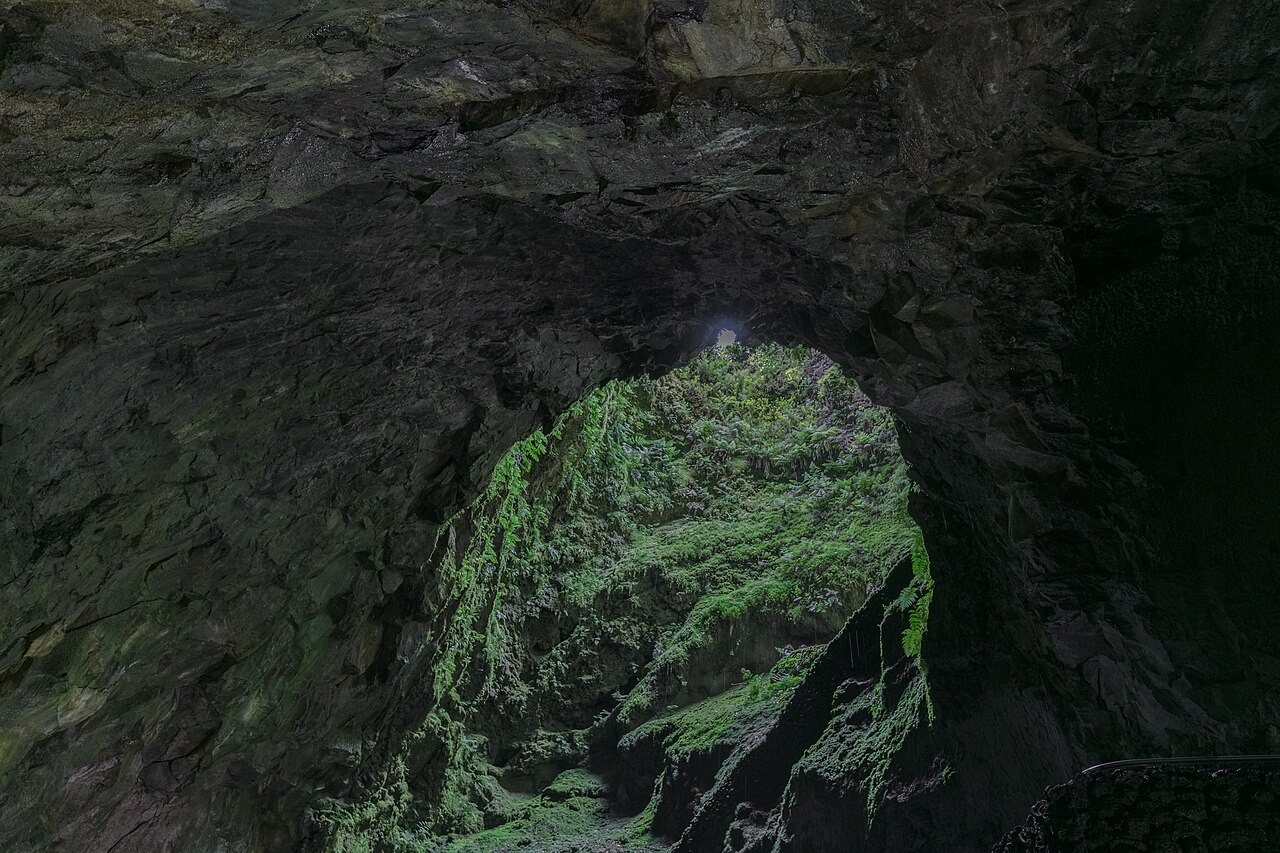
Algar do Carvão volcanic cave on Terceira Island
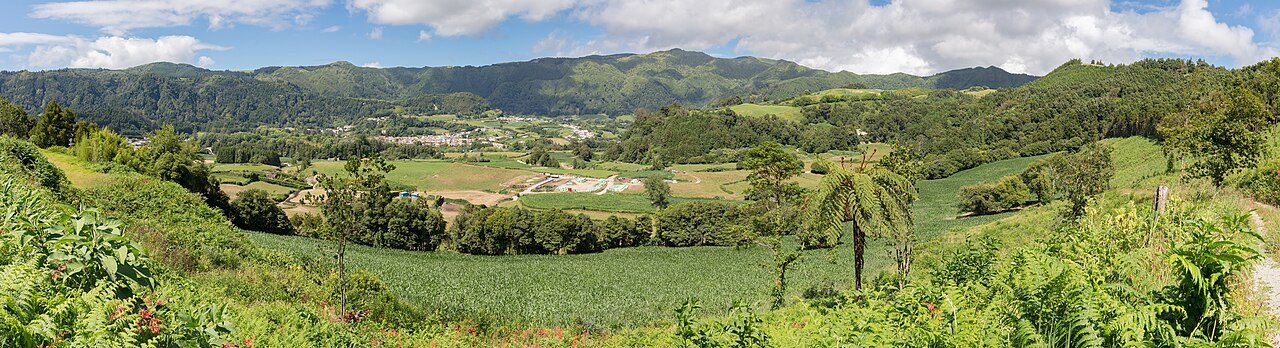
View of Furnas, São Miguel Island, Azores, Portugal, 29 July 2020
11 images

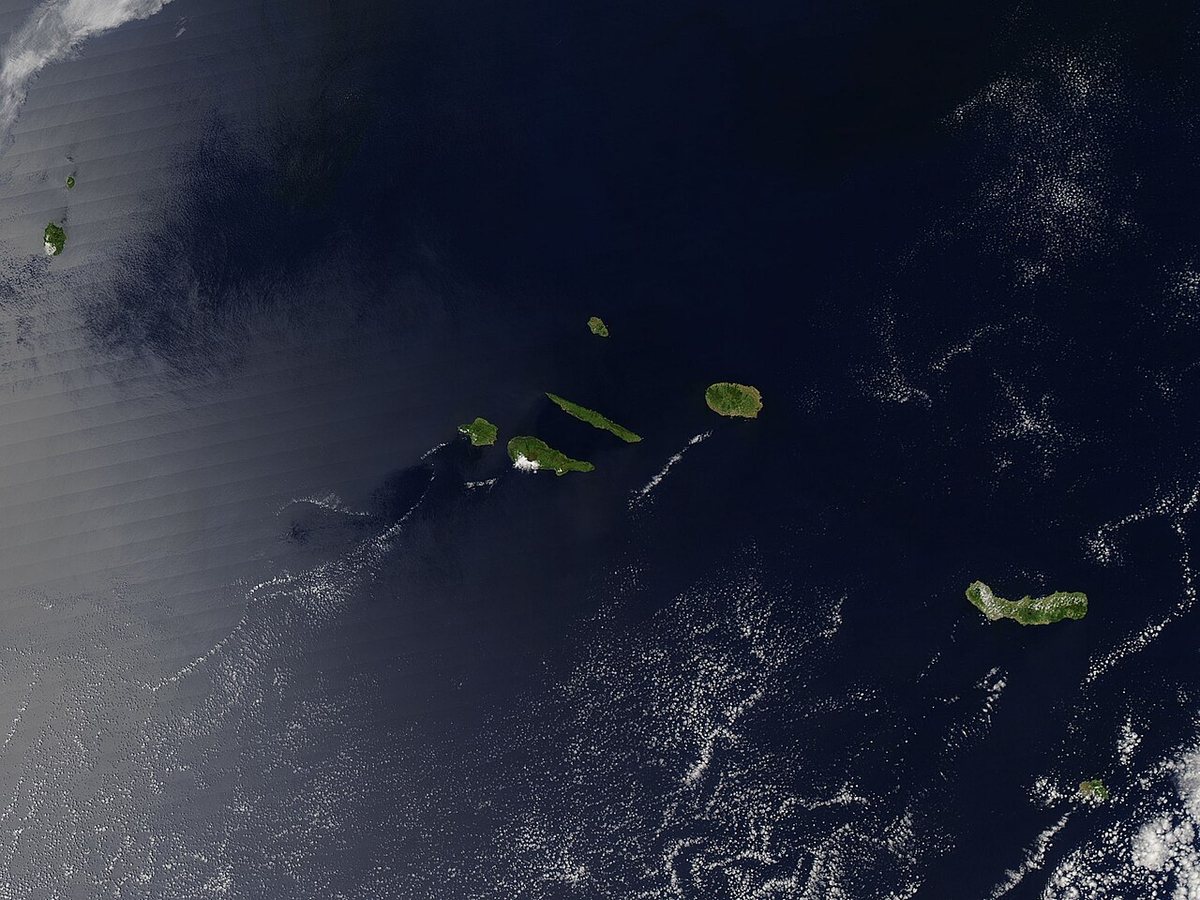
The islands form three main groups, with Flores and Corvo to the west, Graciosa, Terceira, São Jorge, Pico and Faial in the centre, and São Miguel, Santa Maria and the Formigas islets to the east. All of them have volcanic origins, and the archipelago sits on the seismically active Azores triple junction, where three tectonic plates meet. The climate is mild because of the distance from continents and the passing Gulf Stream, with daytime temperatures usually between 16 and 25 °C and generally wet, cloudy weather.

Settlement and discovery
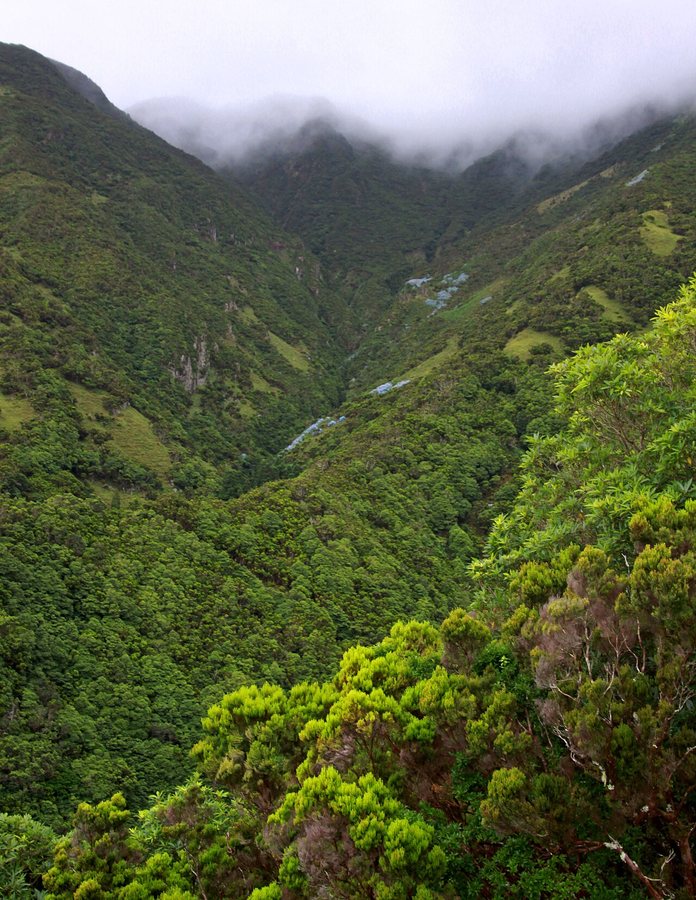
Human impact on the native flora of São Jorge can be seen in the hydrangeas (blue markings) and Pittosporum undulatum (centre right).
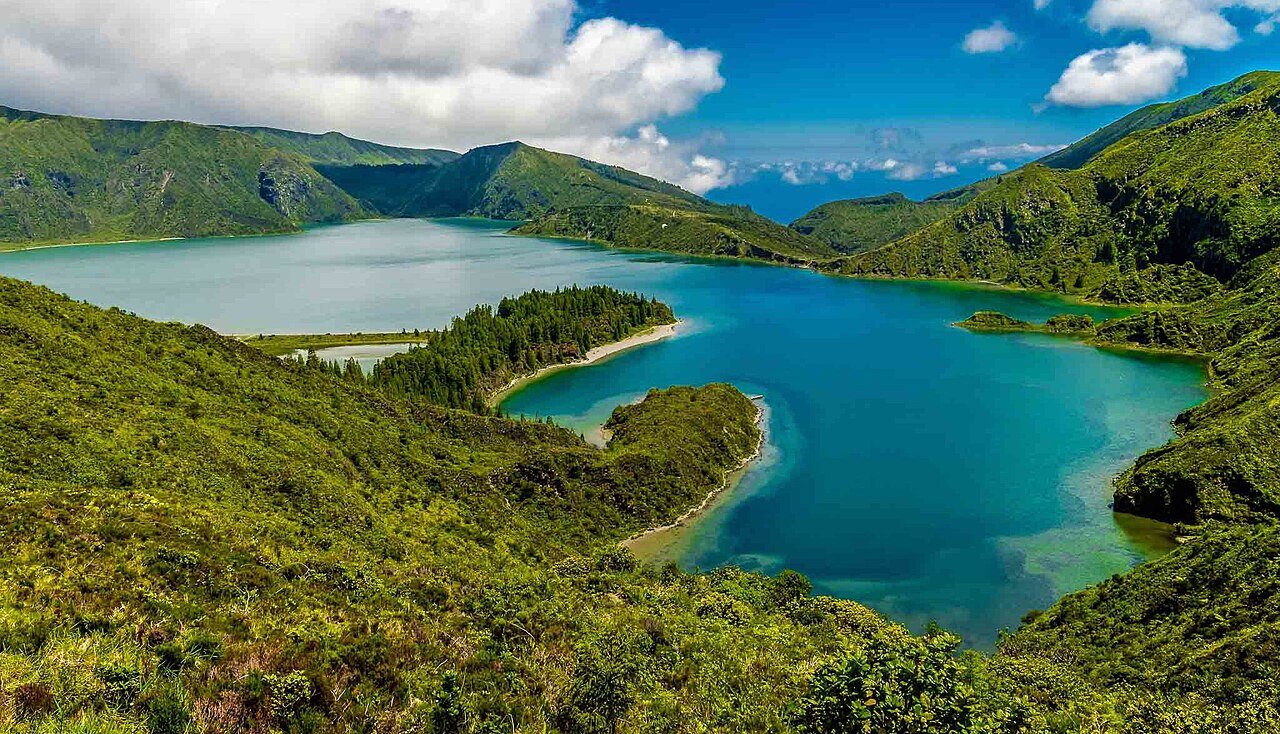
Lagoa do Fogo on São Miguel Island
Partly cloudy conditions over the eastern and central groups, in this photo taken on 17 June 2013.
Mount Pico covered with snow.
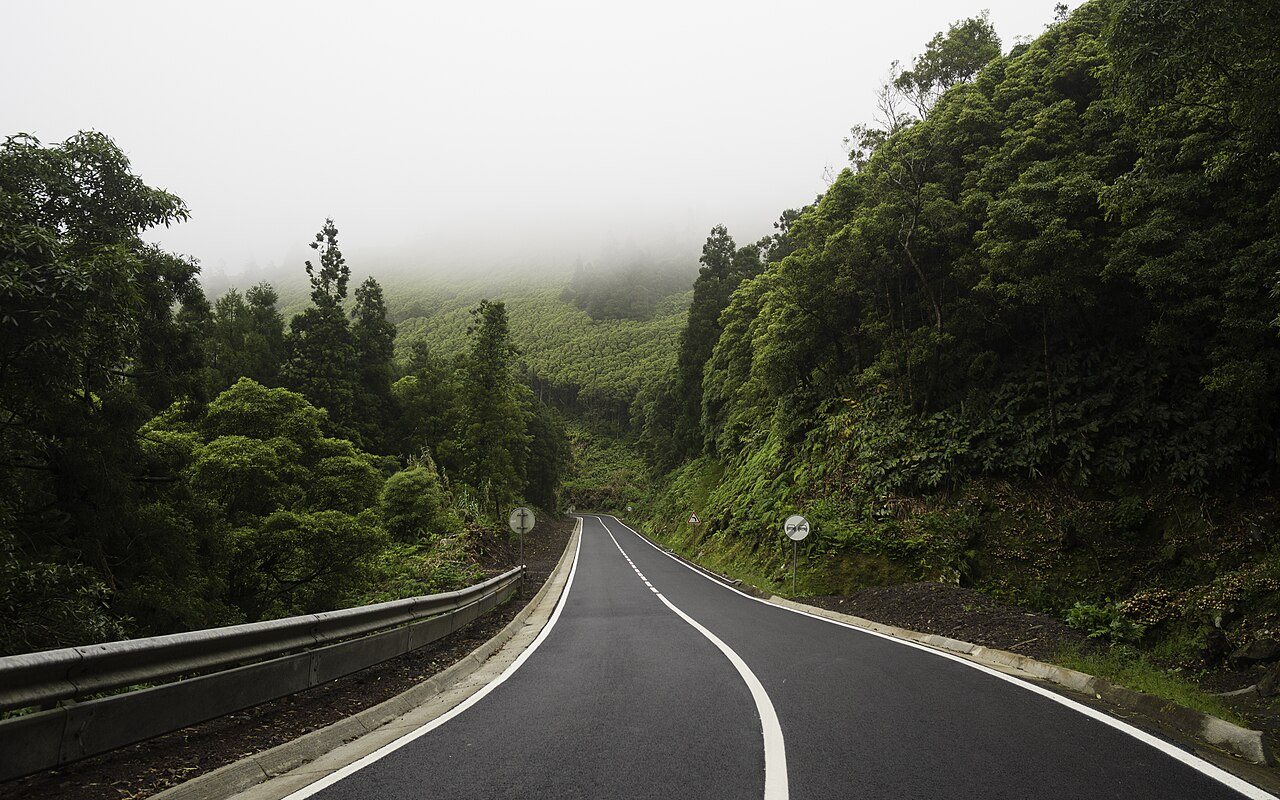
Country road on Flores Island
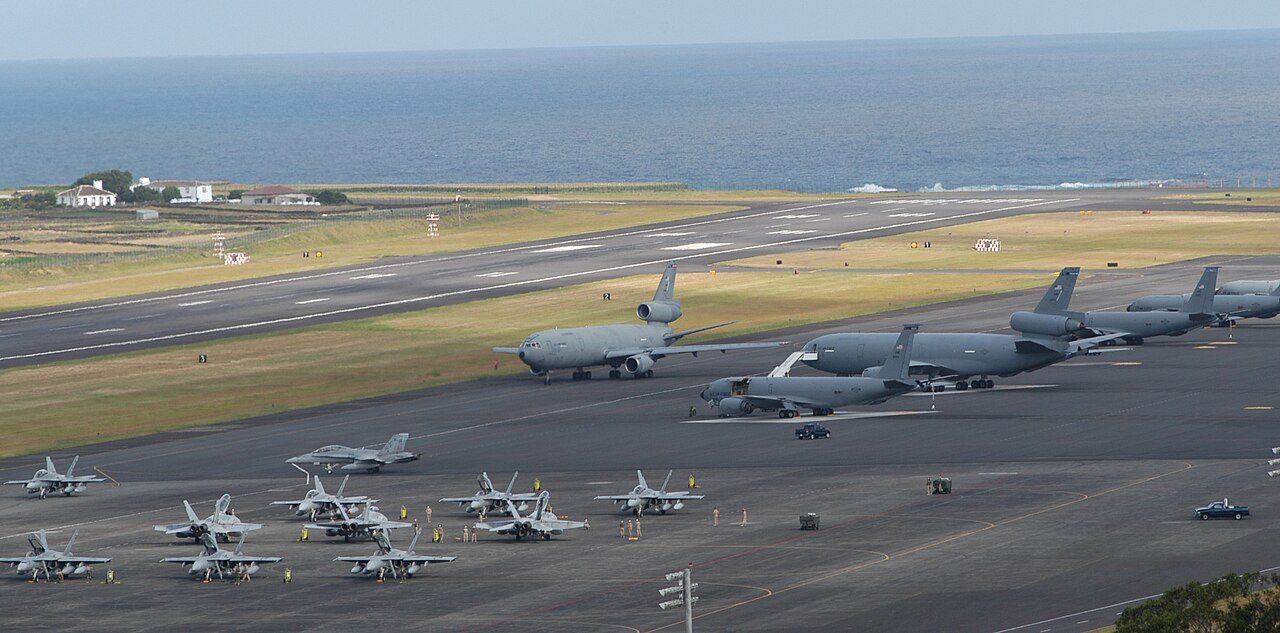
Lajes Air Base, on Terceira Island, is a joint Portuguese Air Force and United States Air Force military base.
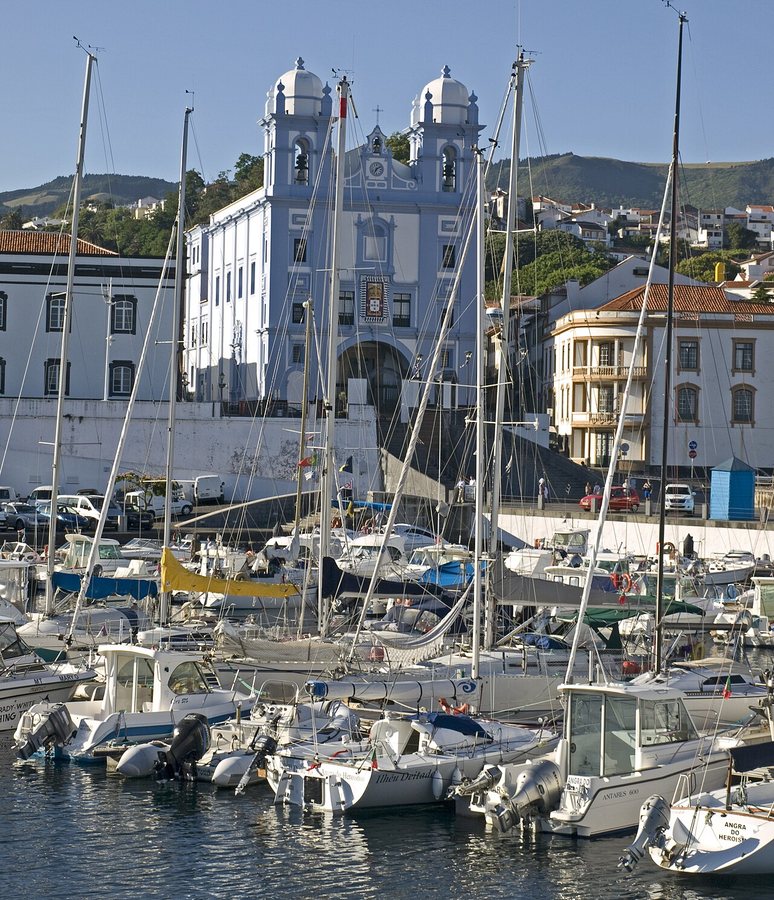
Marina of Angra do Heroísmo
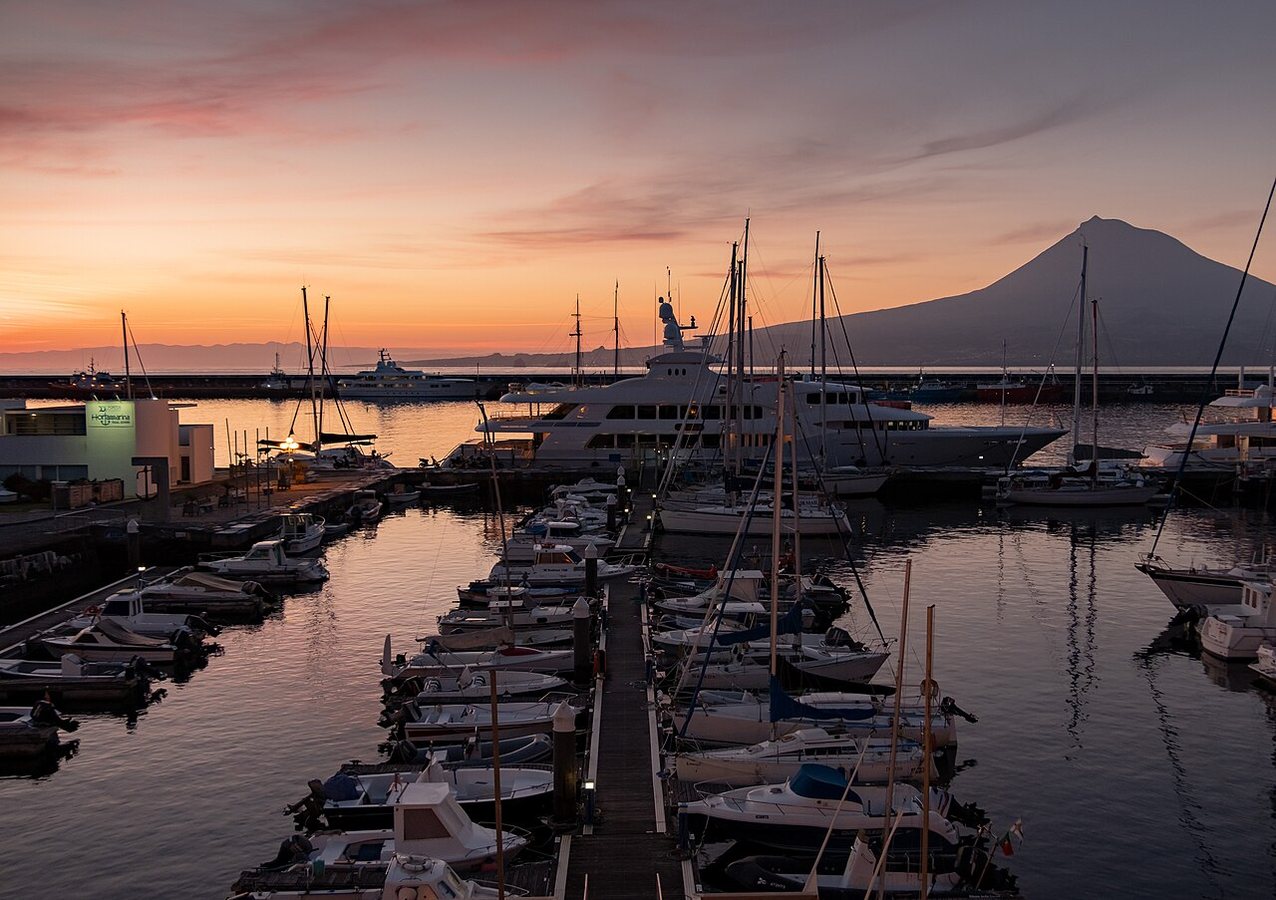
The port of Horta is famed worldwide as a trans-Atlantic stop for yachts and sailors.
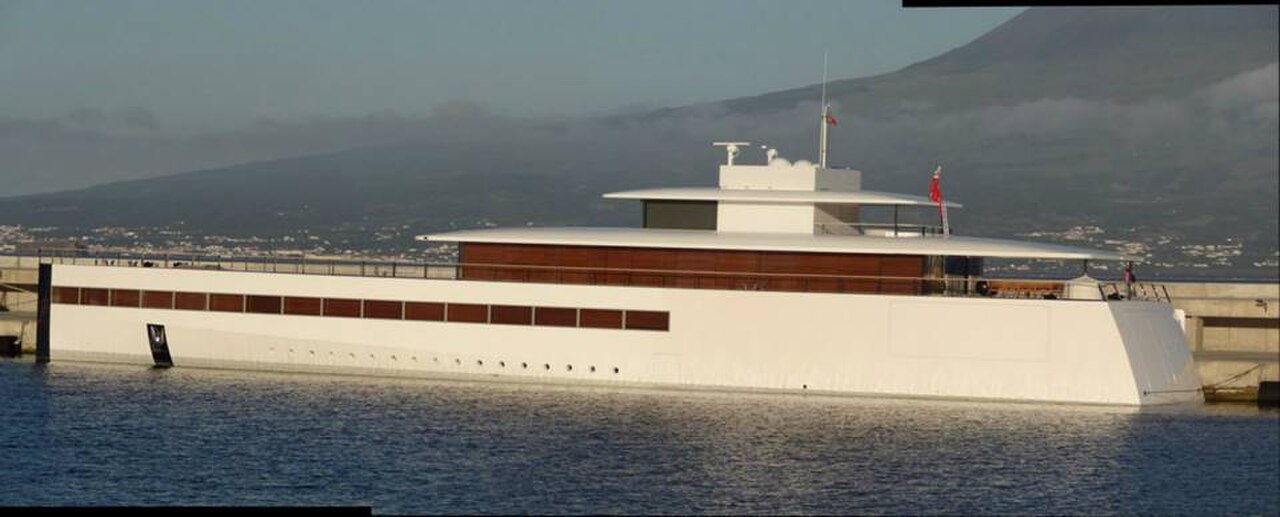
Steve Jobs's yacht Venus at Horta Marina
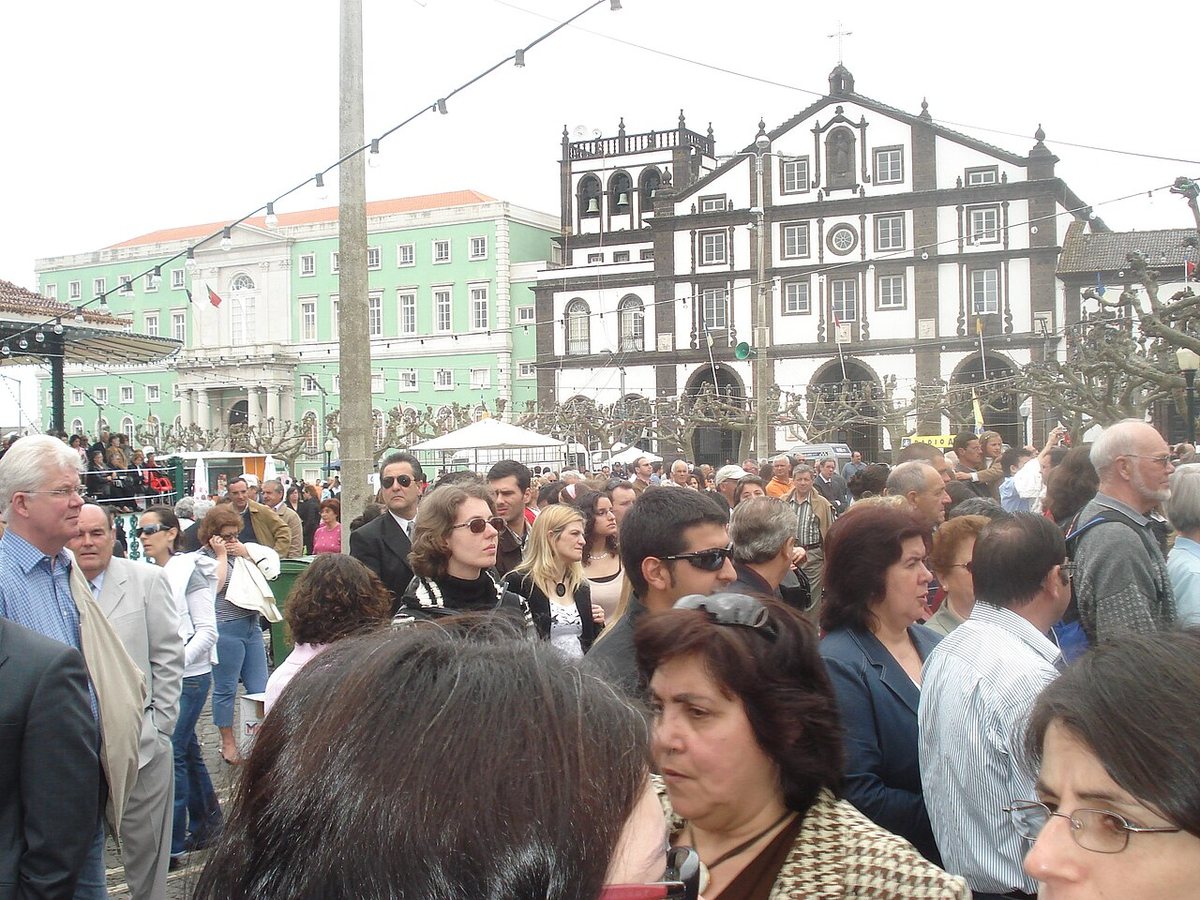
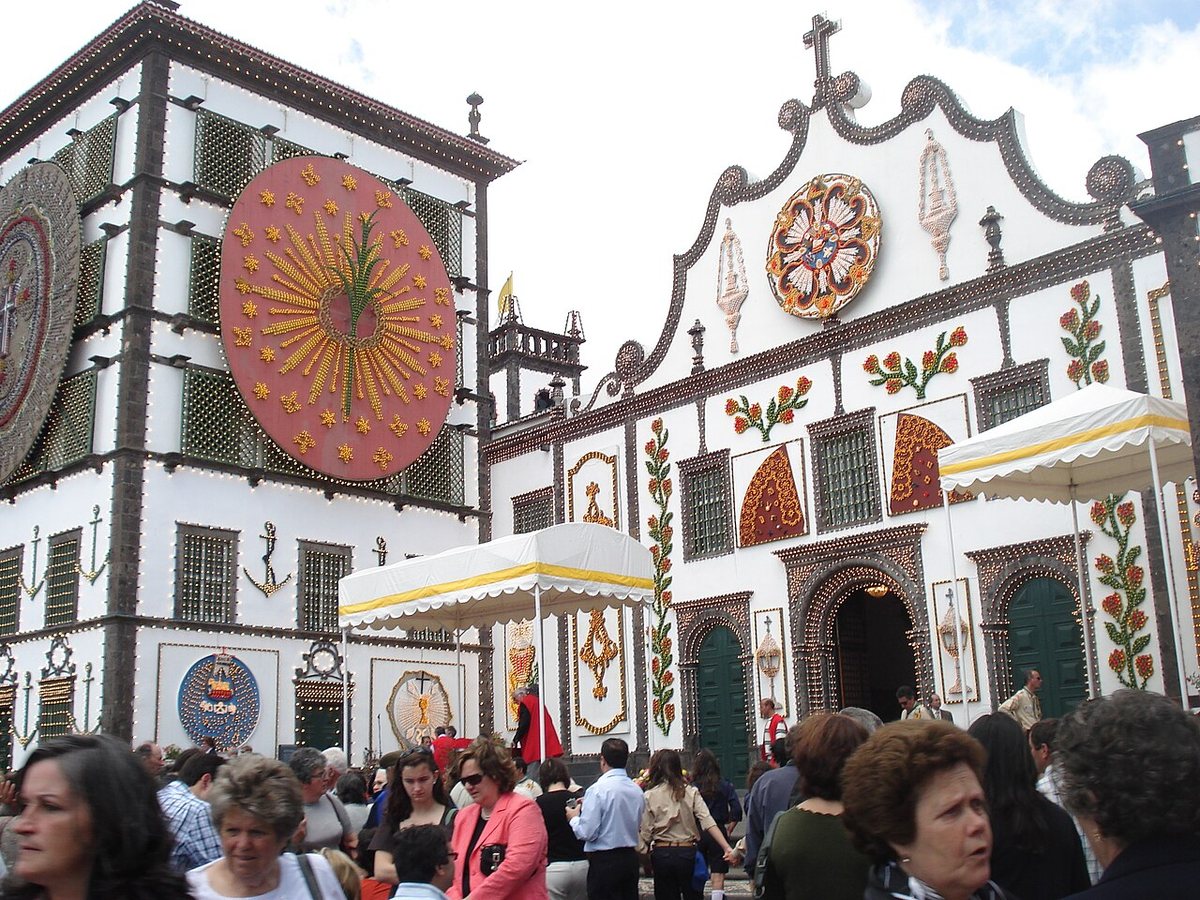
Azoreans during a religious festival
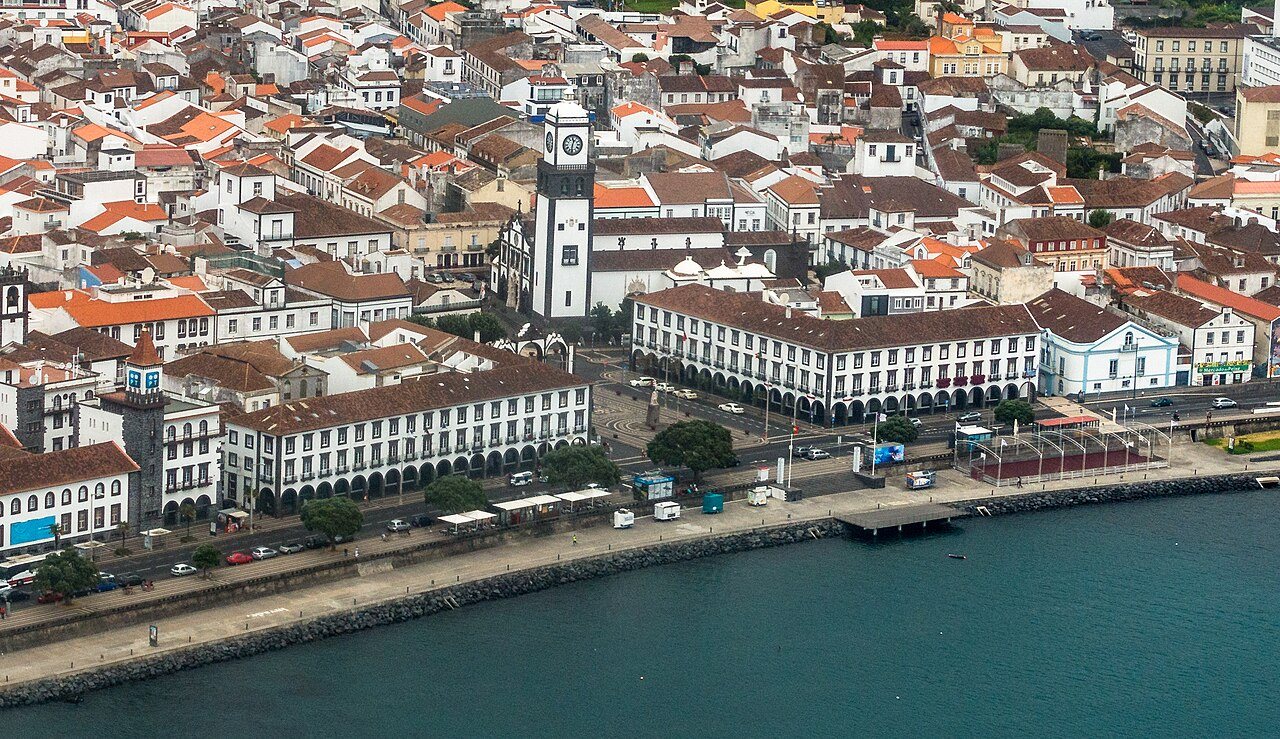
Ponta Delgada, on São Miguel Island, is the largest city in the Azores.
11 images

The islands were discovered and settled in the 15th century under the direction of Prince Henry the Navigator, with settlers coming mainly from mainland Portugal. Flemish settlers arrived later, and by 1490 about 2,000 Flemings lived on several islands, which led to the archipelago being called the Flemish Islands. Some reports suggest earlier human presence, but these claims remain unconfirmed.

Economy and culture

Angra do Heroísmo, on Terceira Island, is a UNESCO World Heritage Site.
Sant'Ana Palace, Ponta Delgada, São Miguel Island, is the seat of the Presidency of the Regional Government of the Azores.
Palace of the Capitães-Generais, Angra do Heroísmo, Terceira Island, is an official residence of the Azorean Regional Government president.
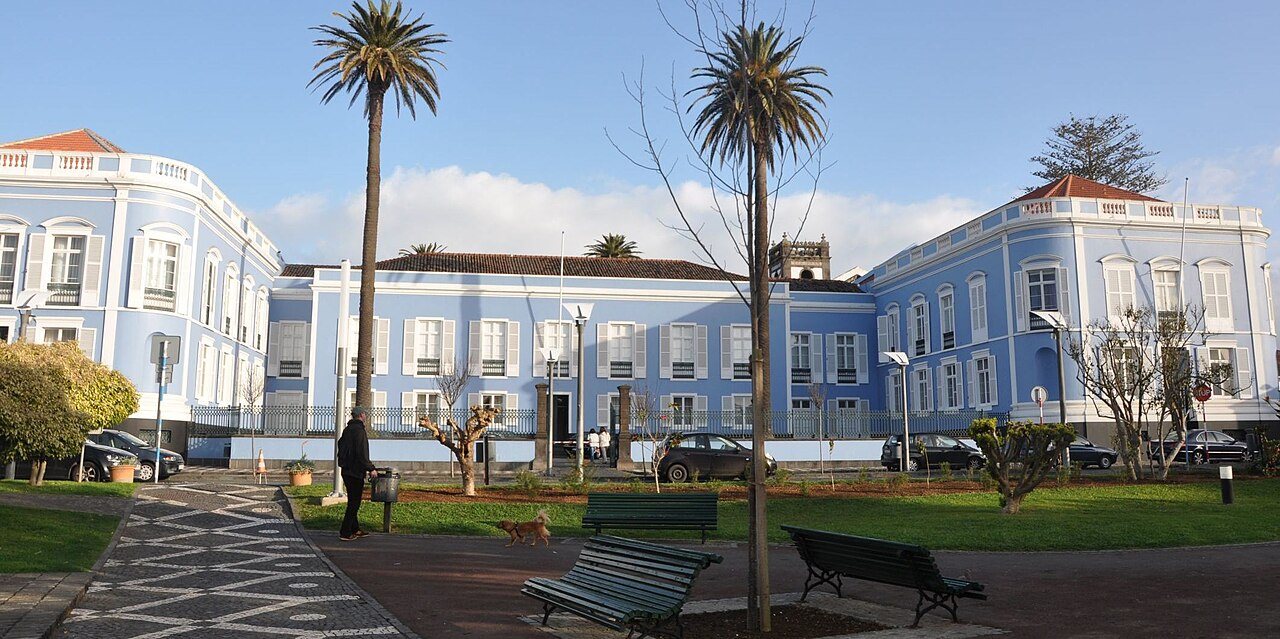
Conceição Palace, Ponta Delgada, São Miguel Island, is the headquarters of the Azorean Regional Government.
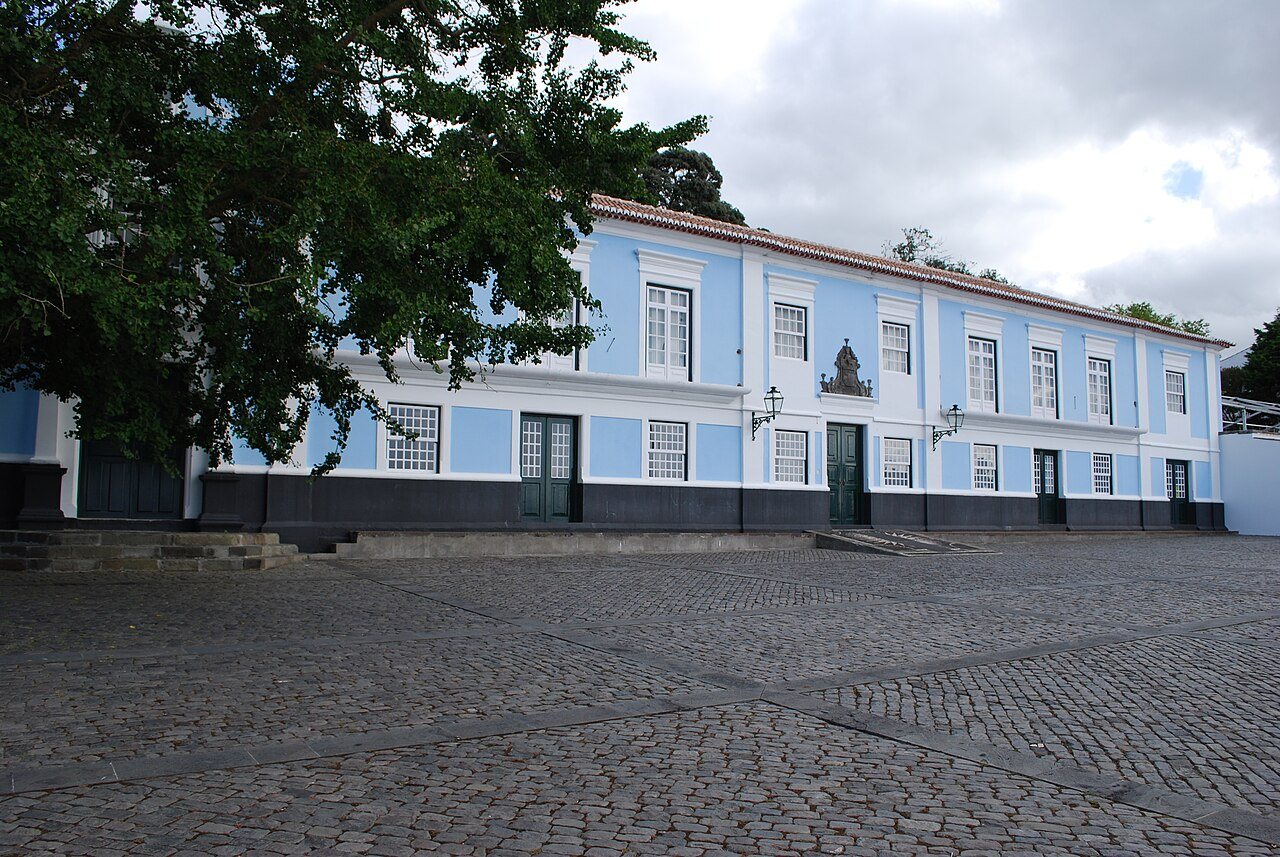
Madre de Deus Manor, Angra do Heroísmo, Terceira Island, is the seat of the Representative of the Republic.
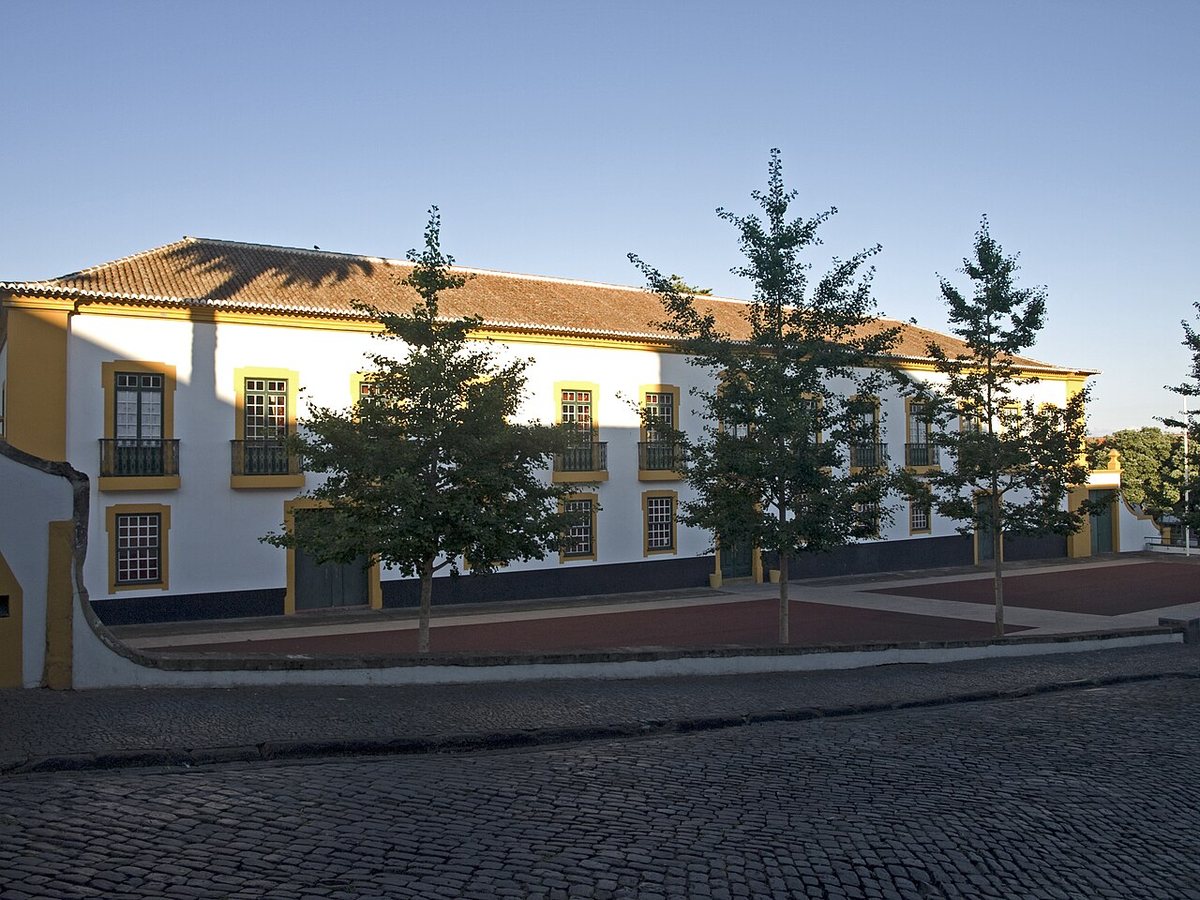
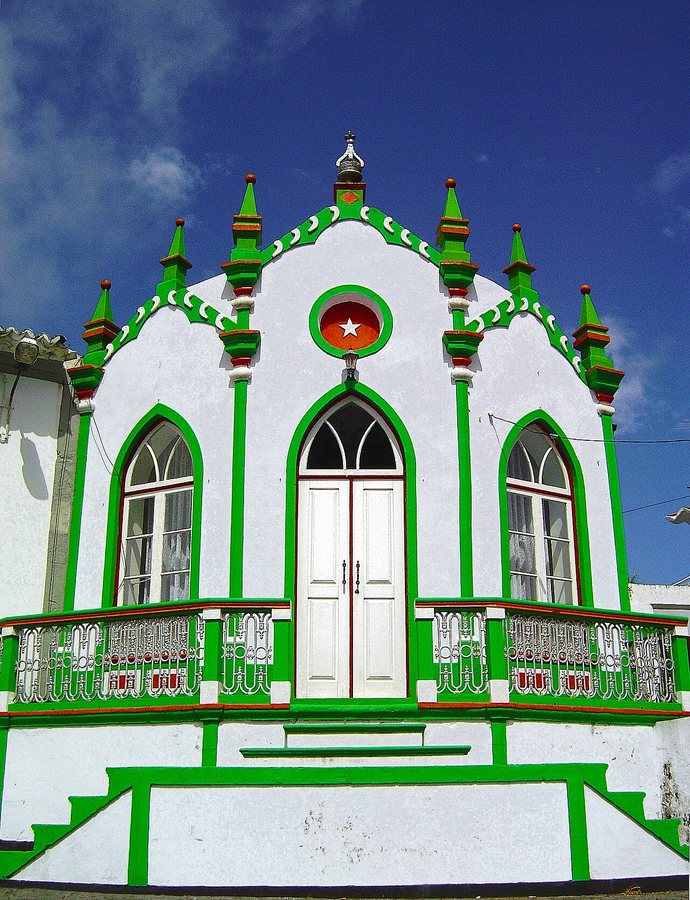
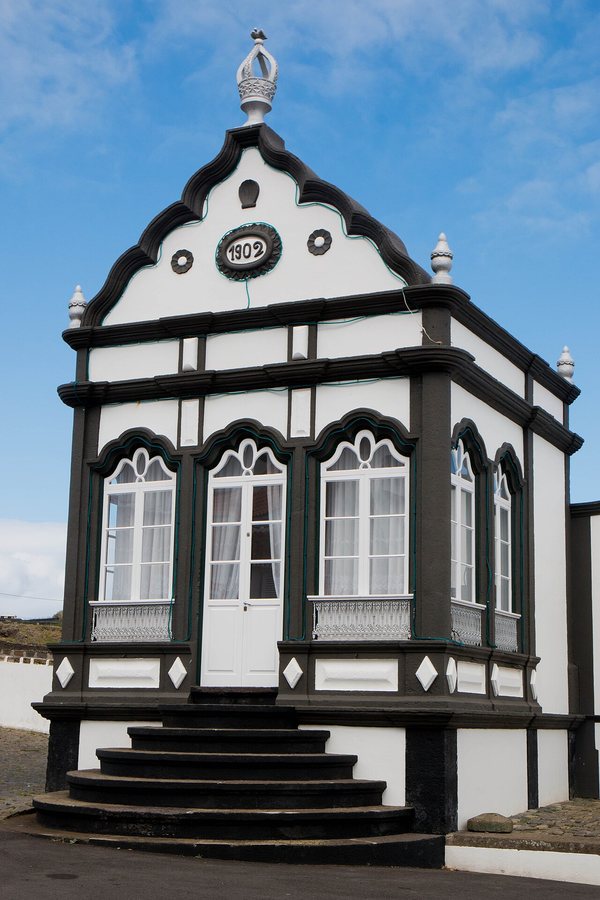
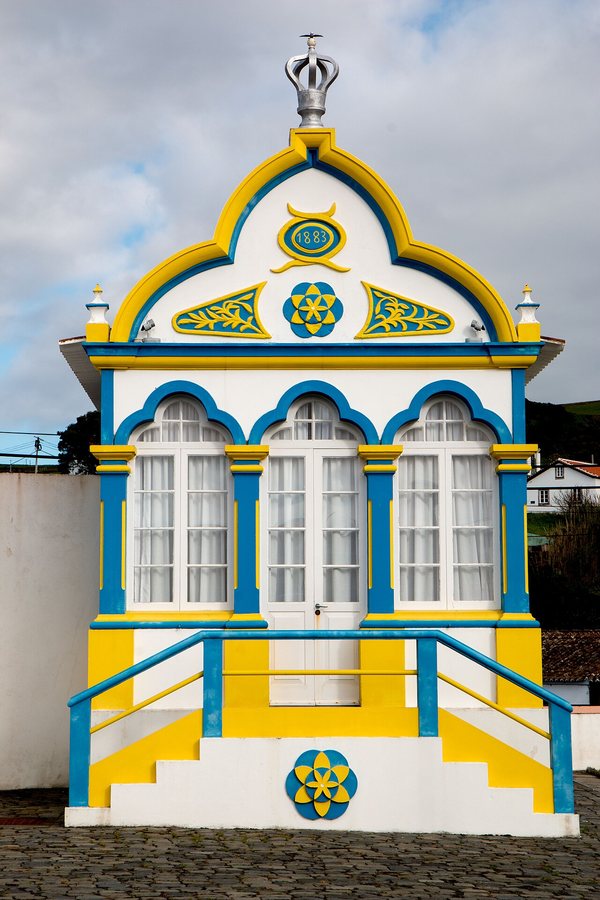
The architecture of the Azores is characterized by the contrast between black volcanic stone and white stucco.
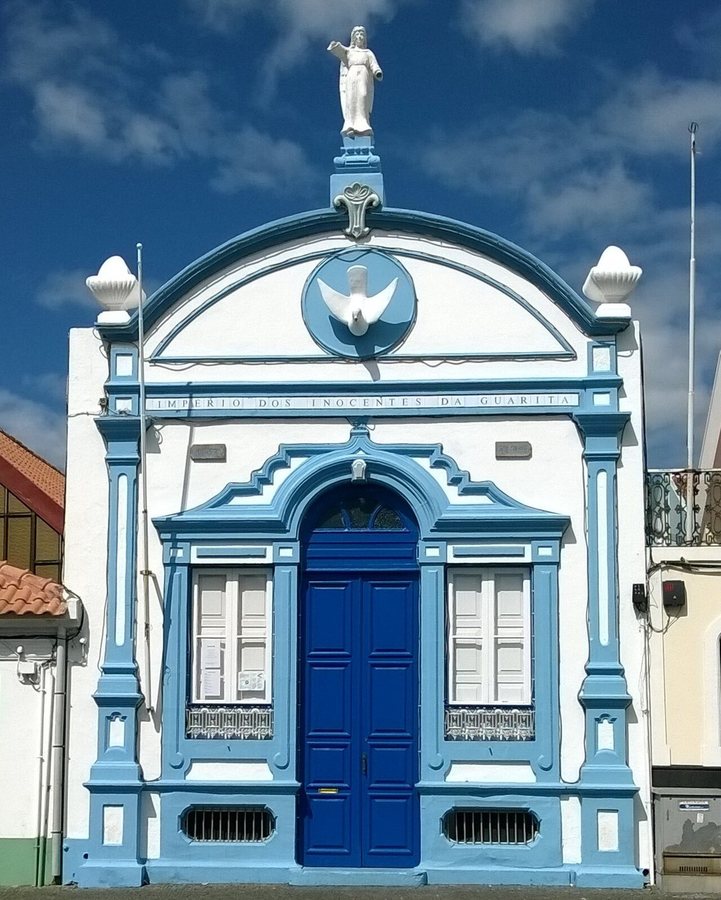
Imperio Espírito Santo, Inocentes, guard post, cropped
Impérios do Espírito Santo da Serreta, Terceira Island, Portugal
Impérios do Espírito Santo, Porto Martins
Impérios do Espírito Santo, Quatro Ribeiras
Procession of the Cult of the Holy Lord Christ of the Miracles
11 images

Agriculture, dairy farming, livestock, fishing and tourism are the main industries, and the government employs a large share of the population. In the 20th century the islands served as a refuelling point for aircraft flying between Europe and North America. Ponta Delgada is the largest city, and the culture, dialect, cuisine and traditions differ noticeably from island to island.

Read next

In 118 languages

Редакція Factograf · Published October 14, 2026 · Partly based on Wikipedia, CC BY-SA 4.0 · Source article